


More news on this day
Low visibility around Seattle-Tacoma International Airport on Friday morning led to flow-control measures and a wave of delays, as airlines adjusted departure and arrival schedules in response to fog and low cloud ceilings in the Puget Sound region.
Get the latest news straight to your inbox!
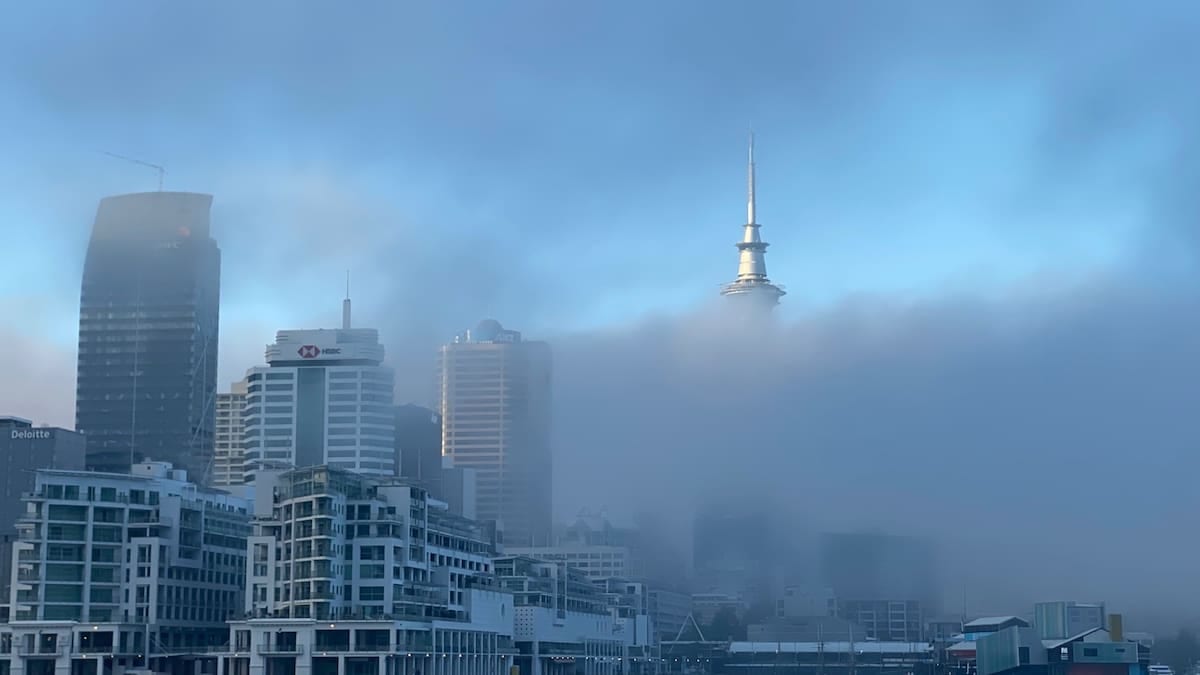
Weather Conditions Bring Marine Fog and Low Clouds
Forecast discussions and aviation outlooks for the central Puget Sound area on July 24 described a familiar summer pattern, with a shallow marine layer pushing inland from the coast during the early morning hours. The pattern often produces patchy fog and low stratus around coastal and low-lying locations, including the area surrounding Seattle-Tacoma International Airport.
Publicly available meteorological data for the airport indicated a period of reduced ceiling and variable visibility during the morning, contrasting with the clearer conditions expected later in the day. While visibility values can fluctuate minute to minute, the combination of low clouds and localized fog is frequently sufficient to require pilots and controllers to shift into instrument-based procedures and low-visibility arrival and departure configurations.
The National Weather Service outlook for the airport region pointed to gradual improvement as the morning progressed, with the marine layer expected to lift and scatter into higher clouds. That transition typically allows the airport to return to more routine operations, but the improvement often comes after an initial period of constrained capacity.
Flow Controls and Airborne Holding Affect Flight Operations
According to federal air traffic management updates for July 24, traffic destined for Seattle-Tacoma International Airport experienced managed delays at departure points during the morning as reduced-visibility procedures were in effect. Real-time status summaries described general arrival and departure delays, with airborne holding and gate holds implemented to meter the flow of flights into the constrained airspace.
These types of traffic management initiatives are standard responses when visibility and cloud ceilings fall below certain operational thresholds. During such periods, arrival rates are reduced, certain approach paths may be limited, and additional spacing between aircraft is required. Even modest reductions in capacity at a busy hub such as Seattle-Tacoma International can quickly translate into rolling delays across multiple airlines and routes.
Tracking platforms that aggregate flight data showed a cluster of delays affecting both domestic and regional services into Seattle during the early part of the day. Some flights were held on the ground at origin airports, while others encountered airborne holding patterns near the terminal area as controllers balanced traffic against the available runway and approach capacity under instrument conditions.
Passengers Face Ripple Effects in a Peak Summer Travel Window
The low-visibility slowdown arrived during a peak summer travel period, amplifying the impact on passengers. Industry data highlight Seattle-Tacoma International as one of the nation’s busier hubs, handling hundreds of daily departures to more than one hundred fifty destinations. In such a setting, even short delays during the morning push can cascade into missed connections, longer layovers, and schedule disruptions throughout the day.
Travelers connecting through Seattle reported longer-than-expected waits, particularly for flights originating from other West Coast and inland Northwest airports. Publicly available performance summaries for the airport in recent weeks have already shown elevated average delay times tied to weather and congestion, meaning additional constraints from fog and low clouds can quickly exacerbate existing strain on the schedule.
Airlines typically respond to low-visibility conditions by adjusting aircraft routings, swapping equipment, and rebalancing crew assignments. Those operational changes, while intended to preserve as much of the schedule as possible, can result in gate changes, tighter boarding windows, and last-minute departure time adjustments that add to passenger uncertainty.
Runway Configuration and Low-Visibility Procedures at SEA
Seattle-Tacoma International Airport is equipped with three parallel runways designed in part to maintain operations during periods of poor visibility. The layout allows for simultaneous instrument operations under many conditions, but airport planning documents show that the field still shifts into specific low-visibility modes when clouds and fog reduce runway visual range below defined thresholds.
Rules and regulatory guidance for the airport outline a series of restrictions during low-visibility operations, including limits on certain types of aircraft movements and tighter controls on towing and ramp activity. Operators seeking to use precision approaches in these conditions must meet particular equipment and training standards, which can influence which carriers or aircraft types are able to maintain near-normal schedules when visibility drops.
Recent federal reports on airport capacity also note that construction and airfield maintenance projects can interact with weather constraints to intensify delays. While several major runway and taxiway projects at Seattle-Tacoma were scheduled for earlier in 2026, the overall environment underscores how quickly low ceilings or fog can convert a normal operating day into one characterized by congestion and airborne holding.
Guidance for Travelers During Low-Visibility Disruptions
Travel and aviation specialists generally advise passengers to build extra time into itineraries that pass through fog-prone airports, particularly during early morning and late-night windows when marine layers are most common. For Seattle-Tacoma International, those risks are elevated in transitional seasons and during certain summer patterns when cool marine air interacts with warmer inland temperatures.
Publicly available guidance from airlines and airport planners emphasizes the importance of monitoring flight status closely on days when visibility may be an issue. Because air traffic managers can impose flow controls with relatively short lead times based on evolving weather and runway visual range readings, departure and arrival times may shift repeatedly over the course of a few hours.
Observers also point to the value of flexible ticketing options when traveling through busy hubs during volatile weather. Same-day confirmed changes, protected connections on earlier flights, and avoiding the tightest layover windows can help reduce the likelihood that a patch of low visibility and resulting delays will derail an entire multi-leg journey.