


More news on this day
A fresh wave of capacity cuts and contingency planning at Lufthansa is propelling Europe’s aviation sector into a new phase of turbulence, as the German group joins Air France-KLM, British Airways parent IAG, Ryanair and easyJet in confronting a combustible mix of soaring jet fuel costs, staffing constraints and growing risks of flight disruption across the continent.
Get the latest news straight to your inbox!
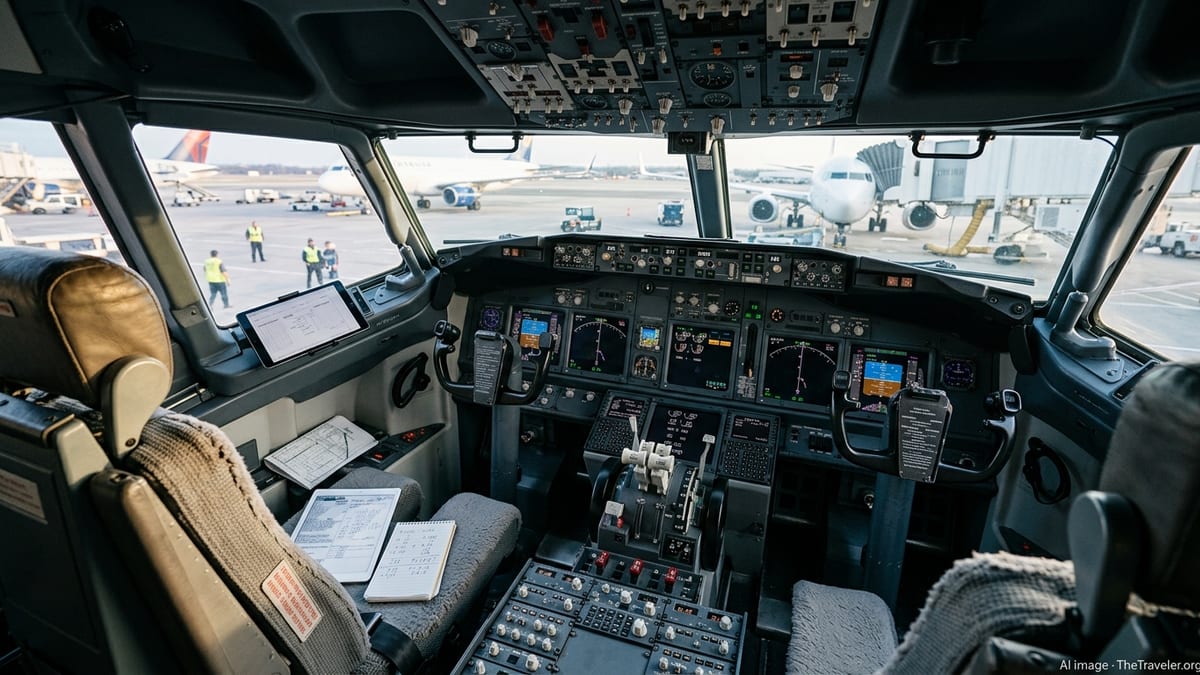
Fuel Shock Ripples Across Europe’s Major Airline Groups
Publicly available financial filings and industry updates show that the sharp rise in jet fuel prices since early 2026 is reshaping strategies at Europe’s biggest carriers. Air France-KLM has warned that the latest surge in kerosene prices will hit its 2026 fuel bill by close to a billion dollars in a single quarter, prompting capacity adjustments, higher ticket surcharges and a freeze on some non-operational hiring.
IAG, owner of British Airways, has also reported a steep jump in its annual fuel budget, with kerosene now accounting for roughly a quarter of the group’s cost base. Executives have highlighted the need for new efficiency measures to offset the fuel spike, including tighter control of discretionary spending and renewed efforts to raise productivity across its airlines.
Low cost giants Ryanair and easyJet, which rely heavily on high aircraft utilization and tight cost control, are responding through aggressive fuel hedging and selective schedule tweaks. Reports indicate that both groups have secured a substantial share of their 2026 fuel needs at fixed prices, but they still face pressure from the wider energy shock and the risk of supply tightness on key routes.
Lufthansa, long considered one of Europe’s most fuel-hedged carriers, has acknowledged that the Middle East conflict has pushed up costs and complicated logistics, forcing the group to revise expectations for its 2026 profitability even as it maintains an overall positive outlook for the year.
Lufthansa Moves From Warnings to Concrete Capacity Cuts
Against this backdrop, Lufthansa has shifted from early caution to concrete action. Company updates and specialist aviation coverage indicate that the group has drawn up contingency plans to ground part of its fleet if fuel supply or pricing deteriorates further, with up to several dozen aircraft identified as potential stand-down capacity.
In April, Lufthansa began accelerating structural changes in its short and medium haul operations. Regional subsidiary Lufthansa CityLine is being wound down, with its remaining aircraft withdrawn from scheduled services earlier than previously planned. The move is framed as an effort to stem losses and cut fuel consumption on thinner routes that are now more vulnerable to energy price swings.
The group has also reduced the number of short haul flights through the coming autumn, aiming to save significant volumes of jet fuel and eliminate routes where higher operating costs can no longer be justified. While major hubs such as Frankfurt and Munich retain core connectivity, secondary city pairs and marginal frequencies are bearing the brunt of the cuts.
Industry analysts note that Lufthansa’s decisions mirror a broader trend among Europe’s legacy carriers, which are prioritizing resilience and yield on core routes rather than chasing pre-pandemic capacity levels at any price.
Pilot Shortages Tighten Capacity and Raise Labor Costs
Fuel is not the only constraint confronting Europe’s airlines. Sector-wide research on aviation labor shows that pilots and other skilled staff have emerged as a structural bottleneck, with training pipelines still struggling to match fleet growth after the pandemic-era downsizing and early retirements.
Across Europe and North America, public data compiled by industry consultancies indicates that labor has overtaken fuel as the single largest cost category for many network carriers, accounting for roughly one quarter to one third of operating expenses. New wage agreements for pilots and technicians are locking in double digit pay increases in some markets, reflecting intense competition for experienced crews.
For groups such as Lufthansa, Air France-KLM, IAG, Ryanair and easyJet, this means that attempts to ramp up schedules for the busy summer season are increasingly constrained not just by aircraft availability, but also by crew rosters. Reports from previous peak travel periods show that even modest gaps in staffing can trigger widespread knock-on disruption when networks are running at full stretch.
Industry outlooks suggest that the pilot shortage is unlikely to ease quickly, given the time and cost required to train new flight crew. That dynamic is expected to keep upward pressure on fares and limit the ability of airlines to absorb other cost shocks without passing them on to passengers.
Travelers Confront Higher Fares and Renewed Disruption Risks
The combined effect of rising fuel costs and constrained staffing is now feeding directly into the travel experience. Publicly available information from carriers and airports across Europe points to a gradual rise in average ticket prices, particularly on routes where capacity has been trimmed or where competition is limited.
At the same time, aviation bodies and airline groups have warned that operational resilience is under strain. Middle East supply disruptions have raised the risk of short notice fuel shortages at some European airports, especially smaller regional bases that are more dependent on specific delivery routes. Analysts suggest that in a tight supply scenario, carriers will prioritize feeding major hubs, leaving thinner routes more vulnerable to cancellations.
Major airlines are trying to protect their brands by tightening schedules in advance, cutting frequencies and building more slack into timetables rather than allowing large numbers of day-of-travel cancellations. However, recent episodes of weather disruption, air traffic control constraints and technical issues have shown how quickly networks can unravel when there is little spare aircraft or crew capacity.
For passengers, that translates into a higher likelihood of re-timed flights, reduced choice of departure times and, in some markets, fewer direct connections. Travel advisors are increasingly recommending longer connection windows and flexible itineraries, particularly on multi-leg journeys that pass through congested European hubs.
Regulatory Pressure and Sustainability Rules Add Another Layer
Compounding the immediate shocks of fuel and labor, Europe’s airline groups must also navigate an evolving regulatory landscape. Industry associations have repeatedly highlighted the cost impact of new environmental measures, including sustainable aviation fuel mandates and carbon pricing schemes, which are being phased in as part of the region’s broader climate agenda.
Public position papers from airline lobby groups argue that while carriers are committed to emissions reduction, the pace and design of regulation risk eroding European competitiveness if additional costs cannot be matched by similar obligations on non-European rivals. In combination with volatile kerosene prices and tight labor markets, these rules are viewed as another element squeezing margins.
Lufthansa, Air France-KLM, British Airways and their low cost rivals are therefore trying to balance short term crisis management with longer term investment in more efficient aircraft and alternative fuels. Fleet renewal plans and partnerships around sustainable aviation fuel production are proceeding, but higher financing and operating costs make these strategies more complex to fund.
The result is a European aviation sector entering the main travel season under significant pressure. With Lufthansa now clearly aligned with its peers in cutting capacity, managing fuel exposure and contending with pilot shortages, travelers face a summer where reliability and pricing are shaped as much by global energy markets and labor dynamics as by traditional demand for holidays and business trips.