


More news on this day
Lufthansa’s latest cabin crew strike has plunged Europe’s busiest air corridors back into turmoil, with 500 flights canceled and around 90,000 travelers stranded in the post-Easter rush.
Get the latest news straight to your inbox!
Post-Easter Walkout Paralyzes Frankfurt and Munich Hubs
The disruption on April 13, 2026, centered on Lufthansa’s main hubs in Frankfurt and Munich, where the airline operates a dense web of European and long haul connections. Publicly available information indicates that around 350 flights were canceled at Frankfurt Airport and a further 150 at Munich Airport, effectively grinding much of the carrier’s German operation to a halt.
According to published coverage from passenger rights organizations and aviation trackers, approximately 90,000 travelers were left unable to reach their destinations as schedules collapsed and connection banks unraveled across the wider Lufthansa network. With many routes funneled through Frankfurt and Munich, cancellations quickly cascaded to other European cities as aircraft and crews were left out of position.
Reports indicate that the April 13 action formed part of a broader wave of industrial disputes at Lufthansa in recent weeks, including earlier Easter-period stoppages that had already stretched the airline’s staffing and contingency resources. For many passengers, the post-Easter walkout meant a second or even third round of disrupted journeys within the same holiday travel period.
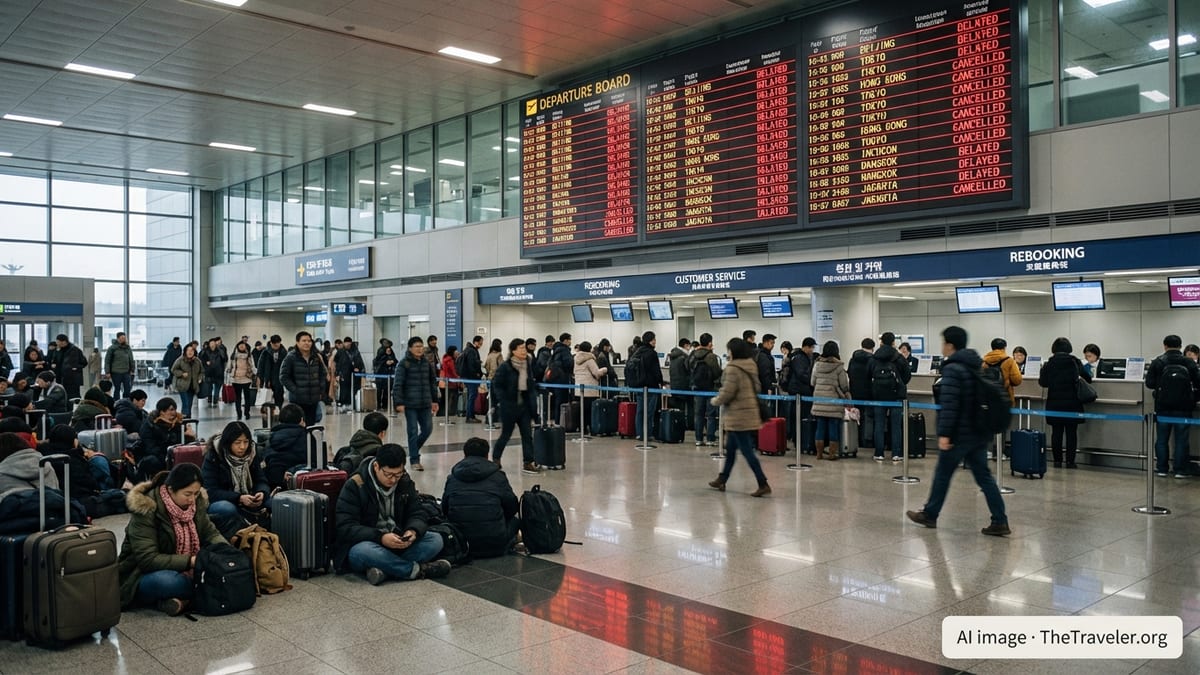
Airport scenes described in European media showed long queues at service counters, crowded departure halls and departure boards dominated by the word “canceled,” echoing the severe aviation disruption last seen during the height of the pandemic.
Labor Dispute Escalates After Months of Tension
The latest cabin crew strike is rooted in a protracted dispute between Lufthansa management and the Independent Flight Attendants’ Organization, known by its German acronym UFO. Public statements from the union and company show deep disagreement over pay scales, inflation compensation, and working conditions following several years of intense schedules and ongoing operational recovery.
UFO has argued in public communications that rising living costs and what it describes as mounting workloads for cabin staff justify significant wage increases and clearer protections on scheduling and rest times. Lufthansa, in its own published statements, has emphasized the need to balance staff cost increases with multi-billion-euro investment plans in new aircraft and products, warning that excessive pay demands could undermine competitiveness.
The April 13 walkout followed a series of earlier warning strikes and strike ballots that signaled growing frustration among front line staff. Separate industrial action by Lufthansa pilots in March and again in mid-April, reported by aviation specialist outlets, further heightened pressure on the airline’s operations and underlined the breadth of labor unrest within the group.
While formal talks have been held periodically, publicly available information suggests that the two sides remain far apart on some core issues, increasing the risk of additional strike days if negotiations fail to gain momentum in the coming weeks.
Passenger Chaos: Missed Connections, Overnight Stays and Compensation Claims
For travelers caught in the post-Easter disruption, the immediate concern has been simply getting moving again. Reports from air passenger advocacy groups and travel forums describe families sleeping on terminal floors, business travelers scrambling to salvage meetings, and holidaymakers facing days-long detours to return home.
Lufthansa has activated a special rebooking policy covering flights impacted by the strike, according to publicly available customer advisories. Many affected passengers have been offered alternative flights at later dates, while those on domestic German routes can often convert their tickets into rail journeys on Deutsche Bahn at no extra charge when space is available.
Under European passenger rights rules, travelers departing from EU and some neighboring airports may be entitled to fixed compensation if their flight is canceled at short notice and the disruption is considered within the airline’s control. Legal and consumer organizations note that airline employee strikes typically fall into that category, meaning thousands of Lufthansa customers from the April 13 disruption could qualify for payments in addition to refunds or rebookings.
However, passenger experiences shared on public platforms point to long waits to reach call centers, overloaded digital channels and limited same day alternatives, especially on popular transatlantic and Mediterranean routes. With seat capacity already tight at the tail end of the Easter holidays, many stranded travelers have found that the only immediate escape options involve buying new tickets on rival carriers at short notice prices.
Wider Network Effects and Pressure on European Aviation
The strike’s impact has not been confined to Germany. As cancellations rippled outward from Frankfurt and Munich, airlines, airports and tourism businesses across Europe reported knock on effects, particularly at key Lufthansa destinations in Italy, Spain, France, the United Kingdom and Central and Eastern Europe.
Published flight tracking data shows that dozens of feeder services into Lufthansa’s hubs were disrupted as aircraft rotations broke down, leaving some regional airports facing abrupt schedule gaps. Passengers who had planned to connect through Germany to long haul destinations in North America, Africa and Asia were among those hit hardest, as missed long haul departures can be complex and costly to rebook.
Industry analysts quoted in European business coverage note that the April 13 walkout adds to a mounting series of strikes and operational difficulties for carriers and airports across the continent in 2026, from air traffic control staffing issues to pay disputes at ground handling firms. The Lufthansa stoppages, they argue, highlight how quickly problems at a single large hub carrier can spill across borders in Europe’s tightly interconnected aviation system.
Some observers have suggested that the timing of the walkout, just as the traditional summer booking season accelerates, may encourage airlines and unions across Europe to seek faster compromises to avoid further reputational damage and customer frustration. Others caution that inflation, labor shortages and intense competition mean that more labor conflicts are likely in the months ahead.
What Travelers Can Expect in the Coming Days
With Easter holidays drawing to a close and business travel ramping up again, attention is now turning to how quickly Lufthansa can restore stability to its schedule. According to travel waiver notices and airline updates, customers booked through mid to late April are being advised to monitor their flight status closely and make use of flexible rebooking options where possible.
Operational recovery after such a large wave of cancellations can take several days, as aircraft, crews and airport slots are progressively repositioned. Travel industry specialists note that even once the immediate strike period ends, passengers may continue to see altered departure times, swapped aircraft types and residual delays while the airline rebuilds its regular rotation patterns.
Consumer advocates recommend that travelers affected by the April 13 disruption keep detailed records of their original itinerary, any extra expenses such as hotels and meals, and all communications with the airline. These documents may be useful when pursuing refunds, compensation or reimbursement claims under European and national passenger protection rules.
For now, the post-Easter strike has underscored the fragility of Europe’s aviation recovery and the lingering tension between airlines seeking to control costs and employees pressing for higher pay after years of turbulence. With 500 flights grounded and tens of thousands of passengers caught in the middle, many travelers will be watching closely to see whether this latest confrontation pushes Lufthansa and its workforce closer to a lasting deal or sets the stage for more disruption ahead.