


More news on this day
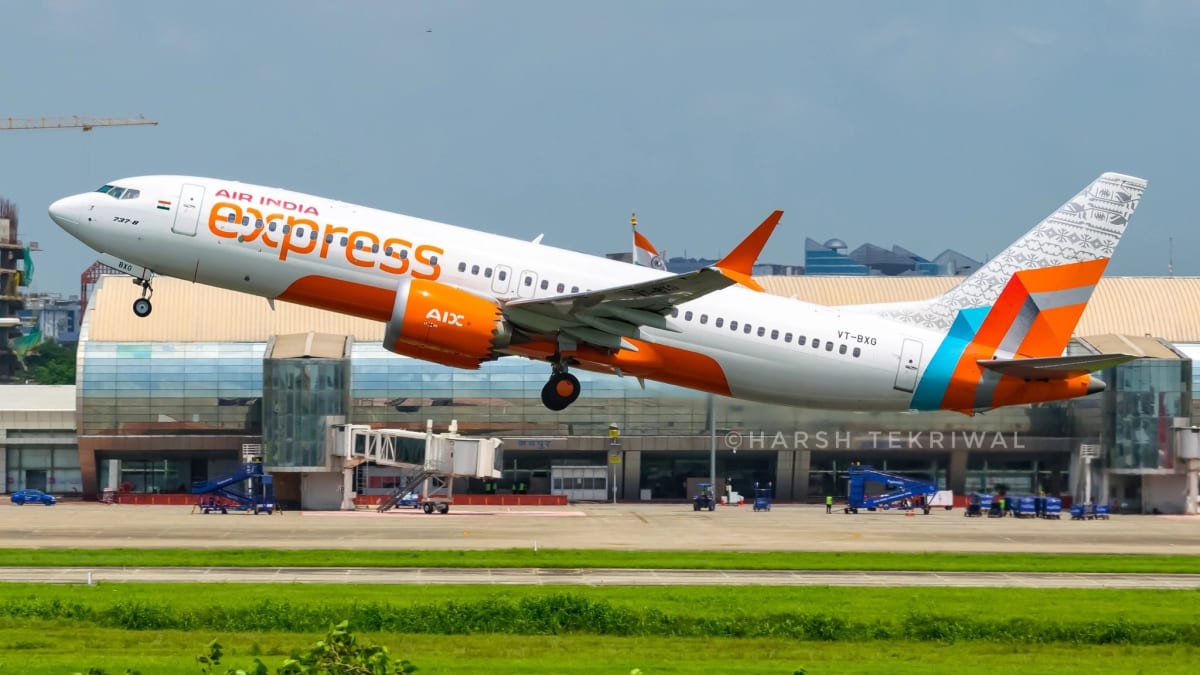
Air travel in and out of India faced another wave of disruption on April 15, as at least 25 additional flights were cancelled across major airports, affecting services operated by Air India, IndiGo, SpiceJet, Lufthansa and other carriers on routes linking Delhi, Mumbai, Bengaluru and other cities to key international hubs such as Frankfurt and London.
Get the latest news straight to your inbox!
Fresh Cancellations Add To Region-Wide Turbulence
The latest cancellations in India form part of a much broader pattern of operational strain across Asia. Published coverage on April 15 highlights that airports from Singapore and Tokyo to Delhi and Mumbai are contending with a mix of congestion, weather and routing challenges that have led to hundreds of cancellations and thousands of delays in a single day.
Recent reports show that across Asia, more than 3,000 flights have been delayed and over 250 cancelled within a 24 hour period, with services to and from India significantly affected. Delhi and Mumbai, India’s busiest international gateways, have been singled out as among the hardest-hit hubs, with knock-on effects rippling into Bengaluru and other secondary cities.
These network pressures follow days of mounting disruption. On April 14, data compiled by regional outlets pointed to almost 100 cancellations and more than 1,600 delays across Asian airports, with disruptions reported in Delhi, Mumbai and Bengaluru. The addition of at least 25 further cancellations involving India-linked routes on April 15 underscores how fragile schedules remain for both domestic and international travelers.
Air India, IndiGo and SpiceJet feature prominently among the affected airlines within India, while European and Asian carriers such as Lufthansa and other major international brands are seeing Europe and Middle East services disrupted, including connections that normally link Indian cities with Frankfurt, London and other long haul destinations.
Impact On Key Routes To Frankfurt, London And Beyond
Flight tracking data and published operational summaries indicate that services connecting India to European hubs have been particularly exposed. Routes between Delhi or Mumbai and Frankfurt and London have seen cancellations and rolling delays as airlines attempt to reroute aircraft and crews across a congested Asian and Middle Eastern airspace environment.
Coverage from aviation-focused outlets notes that Lufthansa has faced interruptions on some of its Asian and Middle Eastern operations in recent weeks, and that international carriers serving India have encountered difficulty maintaining on time performance into hubs such as Frankfurt. Recent reports from Bengaluru’s Kempegowda International Airport, for example, point to delays affecting long haul operators including Lufthansa on key European services.
Indian carriers are experiencing similar strain on their own networks. Air India has already been contending with large scale schedule adjustments linked to the conflict in West Asia and related airspace closures, which forced the cancellation of thousands of flights to Gulf destinations since early March and required complex rerouting on many long haul sectors. With aircraft and crew resources already stretched, fresh disruption in Asia’s main hubs has limited the flexibility to cover new gaps on Europe bound routes.
IndiGo and SpiceJet, while more focused on regional and medium haul markets, are also indirectly impacting connectivity to Europe and the United Kingdom. Delays and cancellations on domestic feeder flights into Delhi, Mumbai and Bengaluru can cause missed long haul connections or force rebookings onto later European departures, contributing to crowding on the remaining services that do operate.
Delhi, Mumbai And Bengaluru Struggle With Congested Operations
The operational picture at India’s leading airports has grown more complicated over the past several days. Reports from April 13 and 14 describe Delhi, Mumbai and Bengaluru as facing sustained levels of delay, with some cancellations, as airlines grapple with tight turnaround windows and the cascading effects of earlier disruptions elsewhere in Asia.
On April 14, analysis of performance metrics showed Indian airports recording relatively modest headline cancellation numbers, but a significant volume of delayed departures and arrivals. Aviation observers have interpreted this as a sign that airlines are attempting to preserve as much of their schedules as possible, even at the cost of knock on timing issues that can compound over the course of the day.
By April 15, the accumulation of disruption appears to have forced carriers to cancel at least 25 additional flights linked to India, many of them involving sectors to or from congested regional hubs and long haul gateways. Delhi and Mumbai remain focal points for these cancellations, but Bengaluru has also reported services scrubbed or rescheduled, affecting both domestic and international travelers.
For passengers, the result is a patchwork of last minute changes. Some travelers are being moved to later departures on the same day, while others are being rebooked via alternative hubs in Southeast Asia or the Middle East. This can add several hours of travel time and in some cases an extra overnight stay, especially for those connecting between Indian cities and European destinations such as Frankfurt and London.
Multiple Causes: Airspace Constraints, Network Congestion And Earlier Shocks
The current wave of cancellations in India is unfolding against a backdrop of significant structural strain on regional aviation. Since late February, the conflict in Iran and associated airspace restrictions have forced airlines to reroute flights that would usually cross affected zones, increasing flight times and fuel consumption and reducing schedule resilience.
Indian carriers in particular have been hit hard on Middle East routes. Air India has cut thousands of flights to Gulf destinations in recent weeks, while IndiGo and SpiceJet have mounted a mix of cancellations and special operations to manage demand on sectors linking Indian cities with Dubai, Abu Dhabi, Muscat and other hubs. These adjustments have left little slack in fleets, meaning that new operational shocks more readily translate into cancellations.
At the same time, broader congestion across Asia’s main hubs is exerting additional pressure. In the days leading up to April 15, regional reporting documented a steady build up of delays across airports in China, Southeast Asia, Japan and South Korea, with several hundred flights cancelled and thousands delayed on April 13 and 14 alone. India’s largest airports, deeply integrated into these networks, have seen their own schedules destabilized in response.
Airlines are also contending with previously documented challenges such as crew scheduling constraints, tight maintenance windows and high demand across peak travel periods. Analysts suggest that when these factors are combined with volatile airspace conditions and crowded hubs, the result is a system where even small disruptions can propagate quickly, resulting in rolling cancellations such as the 25 additional flights scrubbed across India linked routes on April 15.
What Travelers Should Expect In The Coming Days
For passengers planning to travel to or from India in the near term, publicly available information points to a period of continued uncertainty. Aviation data and media coverage suggest that schedules remain fragile across Asia, and that operational issues at one or two hubs can still trigger broader delays and cancellations throughout the region.
Travelers booked on Air India, IndiGo, SpiceJet, Lufthansa and other major carriers operating in and out of India are likely to face ongoing risks of last minute schedule changes, particularly on routes touching heavily used hubs such as Delhi, Mumbai, Bengaluru, Singapore, Dubai, Frankfurt and London. Industry observers note that recovery from network wide disruption can take several days even after immediate triggers have eased.
Passenger experiences are also varying widely depending on routing. Those flying nonstop between Indian metros and European hubs may find rebooking options more constrained when cancellations occur, given slot and capacity limits at airports like Frankfurt and London. By contrast, itineraries that connect via multiple Asian hubs may offer more alternative options, but at the cost of added travel time and the possibility of further delays.
While there are signs that airlines and airports are working to stabilise operations, the addition of 25 more cancellations tied to India linked routes on April 15 underlines that conditions remain volatile. Travelers are likely to benefit from monitoring their bookings closely, allowing extra time for connections and remaining prepared for schedule changes as Asia’s aviation network continues to absorb the impact of ongoing airspace restrictions and congestion.