


More news on this day
Hundreds of Nigerian travelers connecting through Germany have been left stranded at Frankfurt and Munich airports after a wave of Lufthansa strikes triggered widespread cancellations on key routes to Lagos and Abuja.
Get the latest news straight to your inbox!
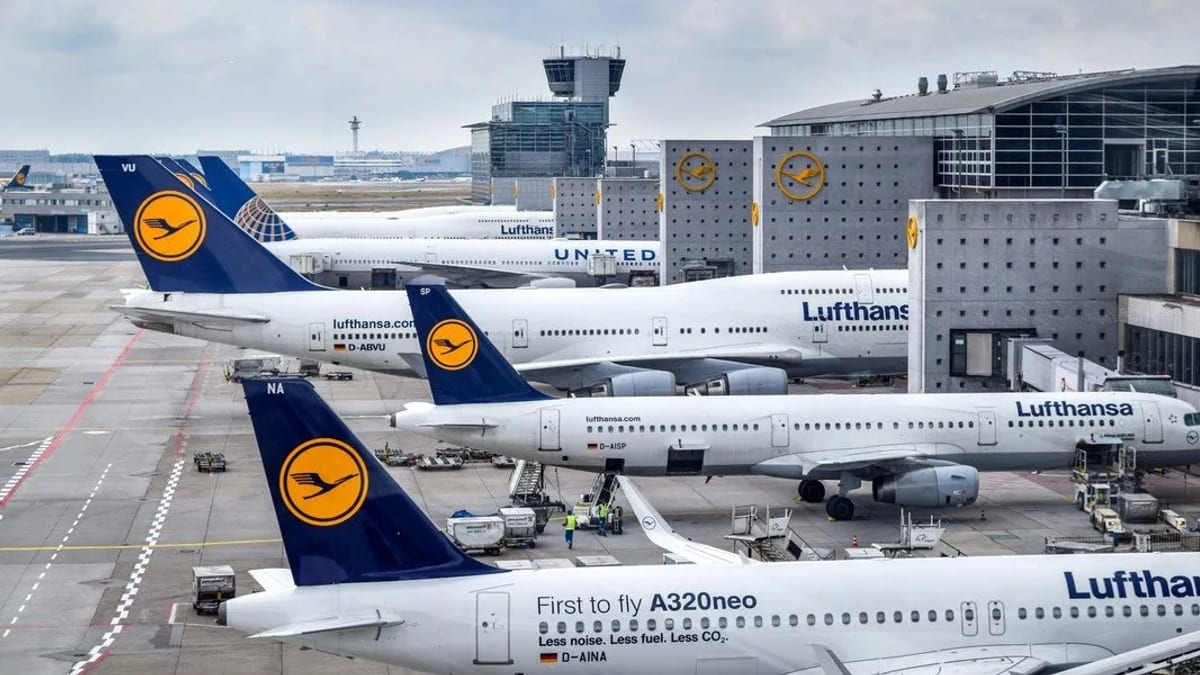
Rolling stoppages hit Germany–Nigeria routes hard
The latest disruption stems from coordinated walkouts by Lufthansa pilots and cabin crew that intensified in mid-April 2026, heavily curbing operations at the airline’s main hubs. Publicly available strike trackers and aviation data show cancellation rates on some days reaching as high as 75 to 90 percent of scheduled departures from Frankfurt and Munich, with Germany–Nigeria services among the worst affected.
Reports focusing on African routes indicate that a two-day pilot strike window around April 18 and 19 led to multiple cancellations on flights serving Lagos and Abuja, leaving scores of Nigerian passport holders stuck in Germany without clear onward options. Many had already completed earlier legs from cities across Europe and North America before learning that their long-haul segments to West Africa would not operate.
Industry coverage notes that the rolling nature of the industrial action, combined with earlier cabin crew stoppages from April 10 onward, has created a prolonged knock-on effect for long-haul connectivity. Aircraft and crews that would normally operate overnight rotations to West Africa have been out of position, compounding the shortage of available seats even on days when no active strike was underway.
Aviation analysts quoted in recent strike summaries describe Germany’s hub-focused model as particularly vulnerable during labor unrest, as a high proportion of passengers rely on tightly timed connections. For Nigerian travelers, that has translated into missed onward flights, forced overnight stays in transit, and in some cases, multi-day delays before any rebooked itinerary could be confirmed.
Stranded Nigerian passengers face long waits and limited options
Accounts compiled from Nigerian community platforms and regional media describe crowded transfer halls at Frankfurt and Munich, where affected passengers have queued for hours seeking information or alternative travel arrangements. With Lufthansa’s own services to Nigeria constrained, travelers have increasingly sought seats on other European or Gulf carriers operating between Germany and West Africa, but published reports indicate that spare capacity has quickly been exhausted.
Some passengers have reportedly been offered rerouting via other European gateways, adding one or two extra connections to journeys that were originally scheduled as single-stop itineraries. Others have opted to buy fresh tickets on competing airlines when rebooking timelines stretched into several days, particularly for time-sensitive trips involving business commitments or family events in Nigeria.
Travel-rights commentators note that the experience of Nigerian passengers in Germany mirrors that of other long-haul travelers caught up in the strike wave, but with added complexity due to the relatively limited number of direct services between Europe and Nigerian cities. Once a small set of daily flights is cancelled, the backlog can take days to clear, especially when demand remains strong at the tail end of the Easter holiday period.
Social media posts and forum discussions suggest that communication delays have added to the frustration. Several travelers report learning of cancellations only after arriving at the airport or during short connections, leaving little time to explore alternatives. While some were eventually rebooked on partner airlines, others describe being advised to seek hotel accommodation and await further updates on subsequent days.
Wider Lufthansa strike impact across Europe
The difficulties facing Nigerian passengers are part of a broader pattern of disruption linked to Lufthansa labor disputes stretching from early April. Travel advisories and airline statements compiled by aviation news sites point to overlapping actions by different staff groups, including a post-Easter cabin crew strike on April 13 that alone forced the cancellation of about 500 flights at Frankfurt and Munich and affected tens of thousands of passengers system-wide.
Separate coverage of the pilots’ union campaign describes coordinated stoppages on April 13 and 14 and again on April 16 and 17, significantly reducing Lufthansa’s ability to operate both European feeder services and long-haul departures. These actions have rippled across alliance and codeshare partners, with carriers in North America and other parts of Europe issuing travel waivers for itineraries touching German hubs.
Data collated by independent flight-monitoring services shows that on the worst days of the action, Lufthansa and its regional affiliates cancelled the large majority of their departures from German hubs. This has led to a cascading effect: missed connections, aircraft parked out of rotation, and mounting passenger backlogs that could take a week or more to resolve fully even after strike days end.
For travelers from Nigeria and other African countries, the timing has been especially challenging. The April strike window coincided with strong seasonal demand and ongoing capacity limitations related to earlier network restructuring within the Lufthansa Group, leaving fewer backup options to absorb displaced passengers when disruption struck.
Passenger rights and compensation under EU rules
The scale of the cancellations has renewed attention on what protections apply to those stranded in Germany, including Nigerian nationals flying to or from the European Union. Consumer advocates and legal explainers emphasize that EU Regulation 261/2004 sets out standardized rights for passengers in cases of significant delay, cancellation, or denied boarding on flights departing from EU airports.
According to publicly available guidance, affected travelers may be entitled to meals, refreshments, hotel accommodation and ground transport between the airport and their lodging during extended waits, depending on delay length and distance. In many instances, they may also qualify for fixed-sum financial compensation, unless the disruption can be linked to extraordinary circumstances beyond the airline’s control.
Specialist aviation-rights organizations have argued that most recent Lufthansa strike actions fall under the category of internal labor disputes, which are generally interpreted as within an airline’s control. On that basis, they contend that many stranded passengers, including those on Germany–Nigeria routes, could pursue compensation claims in addition to reimbursement or rebooking on later flights.
However, practical obstacles remain. Reports from legal advisory platforms point out that passengers often face lengthy claims processes, and that outcomes can depend on specific route details, notice periods and the exact timing of cancellations. Nigerian travelers transiting Germany are being encouraged by consumer advocates to retain boarding passes, booking confirmations and receipts for out-of-pocket expenses to support any future compensation application.
Calls for clearer contingency planning and communication
As Lufthansa works to restore more of its schedule following the latest strike days, regional commentators and travel-industry analysts are calling for clearer contingency planning for long-haul markets such as Nigeria. Opinion pieces in aviation-focused outlets argue that the repeated disruption of Germany–Africa links in recent years underscores the need for more robust backup agreements with partner carriers and more proactive communication with passengers in transit.
Some analysts suggest that airlines operating hub-and-spoke models should prioritize early, transparent updates when labor unrest is likely to affect connecting banks of flights, particularly those serving destinations with limited alternative services. Early notification, they argue, would give travelers from countries such as Nigeria a better chance to adjust plans or reroute before beginning their journeys.
Travel strategists also highlight the role of digital tools in easing future crises. They note that clearer real-time status alerts in airline apps, more flexible self-service rebooking options, and direct messaging in widely used regional channels could all reduce congestion at airport service desks and mitigate some of the stress passengers experienced during the latest Lufthansa strike.
With negotiations between Lufthansa management and unions still evolving, observers say that further industrial action in 2026 cannot be ruled out. For Nigerian travelers whose plans hinge on reliable connections through German hubs, the recent wave of cancellations is likely to influence booking decisions and encourage closer scrutiny of airline guarantees and support policies in the months ahead.