


More news on this day
Lufthansa’s latest walkout is rippling across European air travel, with hundreds of flights scrapped at Frankfurt and Munich as a pilots’ strike enters its second day and fresh cabin crew action looms later this week.
Get the latest news straight to your inbox!
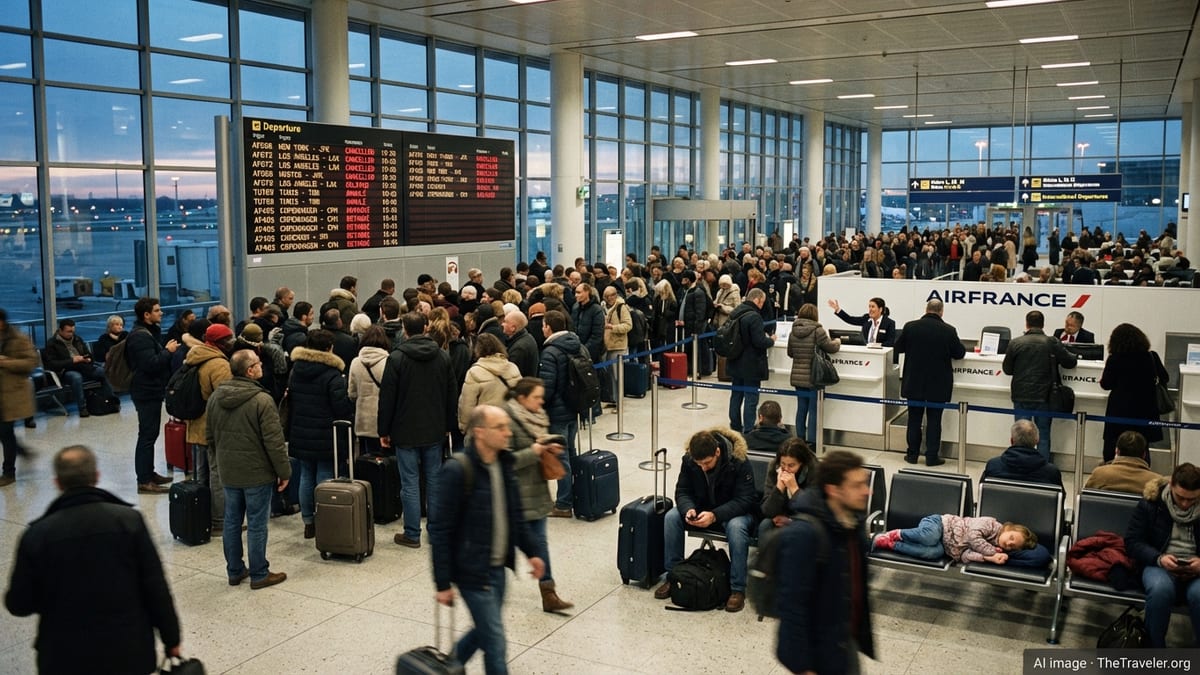
Hundreds of Flights Canceled at Frankfurt and Munich
Published coverage from German and international outlets indicates that Lufthansa’s main hubs in Frankfurt and Munich are bearing the brunt of the disruption as the pilots’ strike continues on April 14. Reports describe packed departure halls, long queues at service counters and mounting delays across the network as flight after flight is removed from departure boards.
Figures cited by pilot representatives and airport operators suggest that roughly 550 flights have been affected in Frankfurt, with more than 300 services canceled in Munich. Additional cancellations and delays are reported at Berlin and several regional airports as aircraft and crews fall out of position.
The industrial action is part of a 48-hour walkout called by the pilots’ union Vereinigung Cockpit, which began on April 13. The stoppage is focused on Lufthansa’s core operations but is also impacting certain services operated by subsidiaries such as Lufthansa Cargo and CityLine, according to airline and union statements carried in local media.
Travelers transiting through Germany are feeling the effects far beyond the country’s borders. Long haul flights to North America and Asia are among those disrupted, leaving passengers facing lengthy rebookings, overnight stays and missed onward connections at the start of the busy spring travel period.
Escalating Labor Dispute Over Pay and Pensions
The latest walkout is the most recent flashpoint in a protracted dispute over pay scales, working conditions and company pension arrangements at Europe’s largest airline group. Publicly available union statements argue that wage increases so far have not kept pace with inflation and increased workload, while proposed pension changes are seen as eroding long term security for cockpit crews.
Lufthansa’s management has previously characterized the demands as difficult to reconcile with cost pressures and competitive dynamics in European aviation. The group is still managing debt accumulated during the pandemic years while also investing in fleet renewal, digital systems and capacity expansion on recovering routes.
Reports indicate that negotiations between Lufthansa and Vereinigung Cockpit have repeatedly stalled in recent weeks, despite earlier mediation efforts and incremental offers from both sides. The pilots’ union has framed the current 48-hour strike as a necessary escalation after what it describes as several unproductive bargaining rounds.
Analysts following the airline sector warn that the dispute now risks becoming a rolling conflict, with repeated short notice walkouts disrupting operations, undermining customer confidence and raising questions about labor stability at a carrier that serves as a key connector between Europe, Asia, Africa and the Americas.
Cabin Crew Action Set to Extend the Turmoil
Even as the current pilots’ strike is due to end around midnight on April 14, fresh disruption is already on the horizon. Notices circulated by the Independent Flight Attendants’ Organization (UFO) and reflected in Lufthansa’s own customer advisories outline a separate two day walkout by cabin crew scheduled for April 15 and 16.
According to these announcements, the planned cabin crew action will cover core Lufthansa brand departures from Frankfurt and Munich, with Lufthansa CityLine also affected. Industry observers expect this new stoppage to further strain an already fragile operation, particularly on short and medium haul routes within Europe.
The timing is particularly sensitive. Media reports highlight that the strikes coincide with events marking the airline’s centenary, including a high profile ceremony in Frankfurt later in the week. Cabin crew leaders have portrayed their action as an attempt to draw attention to working conditions and contractual issues at a moment when the company is celebrating its historic role in German aviation.
For passengers, the staggered sequence of pilot and cabin crew strikes means that disruption is likely to continue beyond the formal end of each individual walkout. Aircraft and staff rotations will require time to normalize, suggesting that irregular operations could spill into the weekend even if no additional labor action is announced.
Impact on Travelers and Airline Operations
Lufthansa is attempting to reduce the blow for travelers by trimming its schedule in advance, consolidating passengers onto fewer flights and drafting in capacity from other airlines within the group where possible. Publicly available information from aviation data providers suggests that more than half of the carrier’s regular schedule at Frankfurt and Munich has been canceled or heavily modified during the strike window.
Some long haul services are being maintained using larger aircraft types to accommodate rebooked passengers, while regional connections that feed into the hubs are being selectively preserved to maintain at least a minimal transfer network. Nevertheless, industry reports indicate that tens of thousands of travelers have already been affected, with many facing overnight stays and complex re-routing via alternative hubs.
Consumer advocates in Germany are reminding passengers that, under European Union air passenger rights rules, airlines are required to offer rebooking or refunds when flights are canceled, and in many circumstances must provide meals and accommodation. However, published commentary notes that securing compensation can be lengthy and complicated when large scale industrial action overwhelms customer service channels.
Airports in Frankfurt and Munich are deploying additional staff and signage to manage the surge of disrupted passengers, while rail operators in Germany are reportedly seeing increased demand from travelers opting to switch to trains on domestic routes during the strike period.
What Passengers Should Expect in the Coming Days
With the pilots’ walkout running through the end of April 14 and cabin crew strikes expected to follow immediately afterward, travelers booked on Lufthansa flights to, from or via Germany this week face a highly fluid situation. Airline advisories and airport updates emphasize that schedules remain subject to change at short notice as staffing levels and aircraft availability fluctuate.
Travel experts recommend that passengers monitor their booking status frequently through airline apps, email notifications and departure boards, and be prepared for alternative routings or changes in departure airports. Those with flexible travel plans are being encouraged, in public guidance pieces, to consider postponing non essential trips or rerouting via other carriers and hubs until operations stabilize.
Looking ahead, sector analysts quoted in recent coverage suggest that the financial cost of the current wave of strikes could be substantial for Lufthansa, potentially running into tens of millions of euros when lost revenue, passenger care, overtime and operational recovery are taken into account. The final impact will depend on whether the dispute can be resolved quickly or evolves into a series of intermittent walkouts across the spring and summer schedules.
For now, the immediate concern for travelers is navigating the coming days of uncertainty. With Germany’s two largest airports at the center of the disruption, the Lufthansa walkout is once again underscoring how labor relations at a single airline can reverberate across global travel plans, connecting flights and tourism flows far beyond Frankfurt and Munich.