

More news on this day
Thousands of air travelers were stranded across Italy on May 11 as a combination of nationwide aviation strikes and aggressive schedule cuts by major European carriers led to 66 flight cancellations and widespread delays on key routes linking Rome, Florence, Naples, Palermo, Milan and Catania.
Get the latest news straight to your inbox!
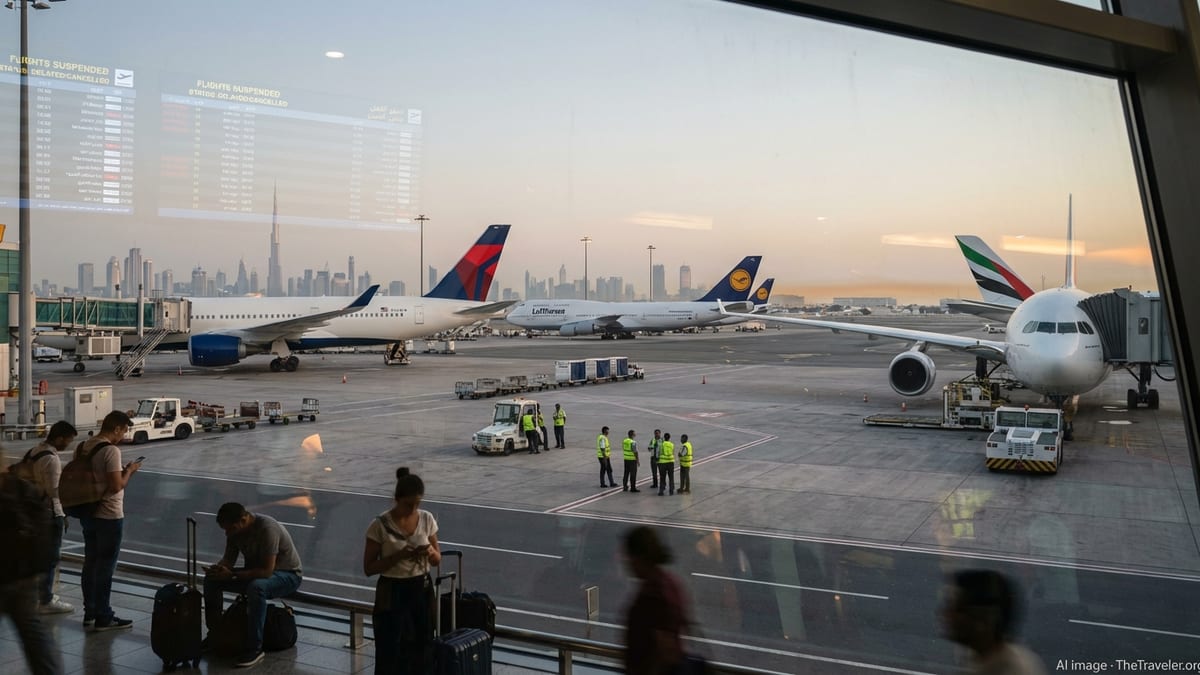
Strikes Hit Italy’s Core Air Corridors
Publicly available information from Italian aviation authorities and local media indicates that an eight-hour walkout by air traffic control staff and airport workers severely disrupted domestic and European services throughout Monday. The action, centered on Rome Fiumicino and Naples Capodichino, triggered knock-on delays across the country’s dense network of short-haul routes that connect Italy’s political and economic hubs.
Rome, Milan, Naples, Palermo and Catania, which handle some of Italy’s busiest domestic links, saw waves of cancellations clustered around the 10:00 to 18:00 window when control center activity was reduced. At Palermo’s Falcone Borsellino Airport, additional four-hour stoppages among ground-handling staff compounded the disruption, slowing turnarounds and forcing further schedule reshuffles.
The immediate impact was felt most sharply on shuttle-style routes such as Rome to Milan, Rome to Catania and Milan to Naples, where frequencies are normally high and aircraft rely on tight rotations. Reports from airport boards and flight-tracking portals showed dozens of services classified as canceled or heavily delayed, leaving passengers facing lengthy queues at ticket desks and information counters.
Florence, which relies heavily on short-haul links to major European hubs, also saw its already constrained schedule buckle under the strain. Travelers connecting from long-haul services via Rome, Amsterdam and Paris faced missed connections and unexpected overnight stays when their onward flights to Tuscany were removed from the board or retimed at short notice.
Lufthansa and Partners Trim Frequencies Amid Fuel Pressures
The day of strike-related disruption coincided with a broader retrenchment in short-haul capacity by Lufthansa Group and several partner carriers. Corporate statements and aviation industry reporting over recent weeks show that Lufthansa is in the midst of canceling around 20,000 short-haul flights across Europe through October, citing sharply higher fuel costs linked to regional conflicts and the need to meet emissions targets.
Within Italy, this strategy has translated into thinner schedules on routes connecting Rome and Milan with key Star Alliance hubs such as Frankfurt, Munich, Vienna and Zurich, as well as selective cuts on domestic legs operated by regional affiliates. When Monday’s strike removed additional slots, the system quickly ran out of slack, and Lufthansa passengers at airports from Naples to Palermo reported being rebooked onto later departures or routed via secondary hubs.
Brussels Airlines and other group partners, already operating at reduced frequencies, had limited spare capacity to absorb stranded travelers. As a result, some passengers bound for Belgium and northern Europe from Milan and Rome found themselves facing multi-leg reroutings or travel the following day, with Italian domestic segments to and from Catania, Palermo and Florence particularly hard to replace.
The combination of pre-planned capacity reductions and unplanned industrial action meant that even flights not directly canceled by Lufthansa or its subsidiaries departed with significant delays. Aircraft and crews were frequently out of position, producing rolling disruptions throughout the afternoon and evening peak.
Air France, KLM and Air Baltic Cut Back on Italian Links
The strain on Italy’s air network was not limited to the Lufthansa Group. Air France and KLM have both been adjusting their European portfolios in response to cost pressures and evolving demand. Recent network updates and industry analyses point to reduced margins on some short-haul routes into secondary Italian cities, with airlines increasingly favoring higher-yield connections through Rome and Milan.
On Monday, travelers connecting via Paris Charles de Gaulle and Amsterdam Schiphol to reach Rome, Florence, Naples, Palermo and Catania reported missed or canceled sectors as inbound aircraft arrived late and onward flights were consolidated. Florence and Naples, which depend heavily on a small number of daily Air France and KLM rotations, were particularly exposed when a single cancellation could wipe out an entire day’s direct connectivity to a major hub.
Air Baltic, which has been reconfiguring its own network and cutting thousands of flights across Europe since last year, contributed to the squeeze on seats into Italy from northern capitals. While the carrier operates fewer direct links to Italian regional airports than its western European counterparts, earlier schedule reductions left fewer alternatives for travelers seeking to divert around the Italian strike.
For passengers, the practical effect was a lack of obvious backup options. With Air France, KLM, Lufthansa and Air Baltic all operating leaner timetables, many stranded travelers in cities like Catania and Palermo found that the next available seat to a major European hub was hours or even a full day away.
Sixty-Six Cancellations and Ripple Effects Across Major Cities
By early evening, aggregated data from airport departure boards and flight status services pointed to at least 66 outright cancellations across Italy tied to the combination of strike activity and prior schedule cuts by European airlines. These affected both domestic and international services, including key routes linking Rome with Milan, Naples, Palermo and Catania, and connecting flights from those cities to Paris, Amsterdam, Brussels and German hubs.
Rome Fiumicino and Milan Linate bore much of the brunt, with their roles as international gateways magnifying the ripple effect of each cancellation. A single lost rotation between Rome and Catania, for example, could strand passengers who had already completed overnight long-haul legs from North America and Asia, forcing airlines to arrange hotel accommodation and alternative itineraries.
Naples and Palermo, important tourist gateways to southern Italy, saw growing crowds around rebooking counters as families and tour groups scrambled to salvage holiday plans. In Catania, which serves as the primary air link for much of eastern Sicily, gaps in the schedule on high-demand routes to Rome and Milan underlined the region’s dependence on a small number of carriers and daily frequencies.
Florence, with its short runway and limited slot availability, was in many cases the last to see services restored. Travelers whose flights were canceled there often faced ground transfers to Rome or Bologna to pick up alternative connections, adding several hours to journeys that were already substantially delayed.
What Stranded Travelers Are Being Advised to Do
Consumer advocacy platforms and airline advisories emphasized a familiar set of steps for passengers caught in Monday’s turmoil. A consistent message across carriers was to avoid going to the airport without checking real-time flight status through official channels, and to use apps or call centers to request rebooking at the earliest opportunity.
Under European air passenger rights rules, travelers on canceled or heavily delayed flights departing from EU airports are generally entitled to rebooking or refunds, and in certain circumstances compensation, unless the disruption is considered an extraordinary event. Legal guidance notes that industrial action affecting essential air navigation services can complicate compensation claims, making it important for passengers to keep records of notifications, boarding passes and receipts for out-of-pocket expenses.
Airlines also encouraged passengers to consider re-routing via alternative Italian airports where capacity remained available. Some travelers bound for Florence, for example, were directed to fly into Rome or Milan and complete the final leg by rail. Others heading to or from Sicily were rebooked through hubs with more resilient schedules, even if that meant longer itineraries.
Travel planning services are advising those with upcoming trips to Italy to build extra time into connections, especially when itineraries combine carriers such as Lufthansa, Air France, KLM, Air Baltic and Brussels Airlines on dense but weather and strike-sensitive routes. With fuel-related capacity cuts expected to continue through the peak summer season, observers suggest that Monday’s events may offer an early preview of a more fragile European short-haul network in the months ahead.