


As a UK-based frequent traveller, I have bought more travel insurance policies than I care to count. In the last two years I have alternated between LV travel insurance and a handful of rivals, including Aviva, Admiral, Staysure and a couple of comparison-site specials. What follows is my honest experience of how LV stacks up in the real world, not just on comparison tables or glossy marketing pages.
Get the latest updates straight to your inbox!
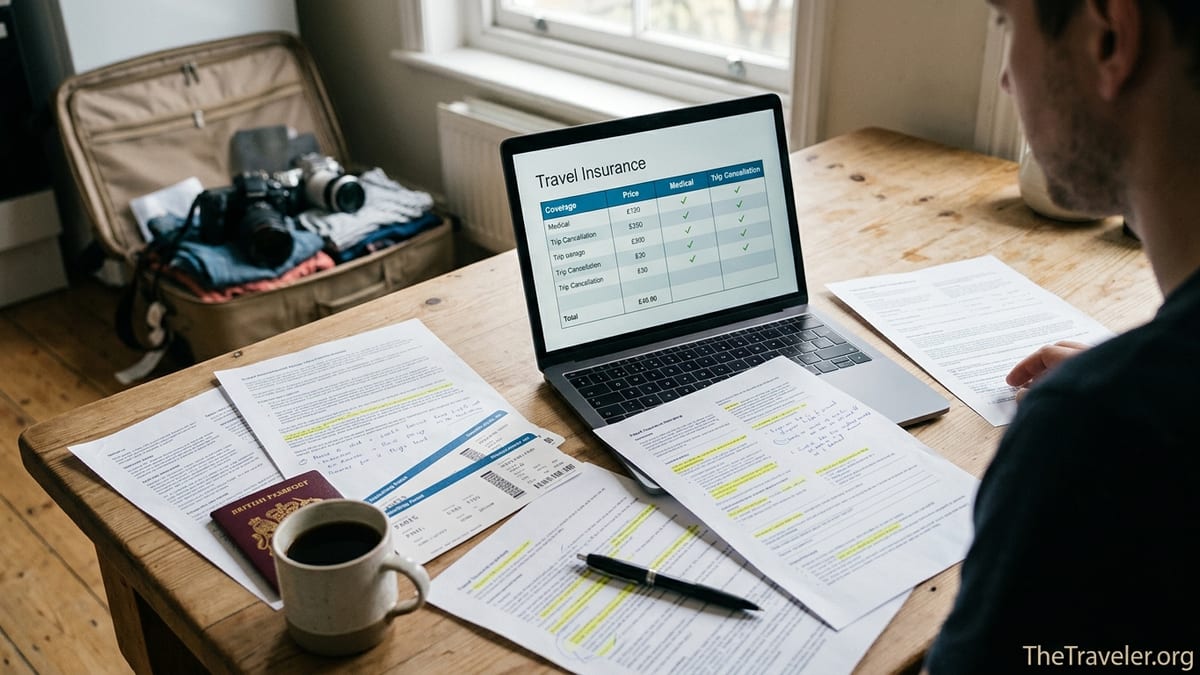
How LV Travel Insurance Fits Into the UK Market
LV, still widely known as Liverpool Victoria, sits in an interesting spot in the UK travel insurance market. It is no longer a small mutual but part of Allianz, one of Europe’s biggest insurers, and that scale does show up in how polished the product feels. Independent assessors consistently rank LV’s higher tiers well, with its Premier and Premier Plus travel policies carrying strong star ratings from Defaqto and positive write ups from consumer sites, while its Essential tier is more middle of the road on features and benefits.
In day-to-day terms, that means LV rarely shows up as the very cheapest quote when you search on aggregators, but it does tend to appear in the first couple of pages for many trip profiles. For a week in Spain for a couple in their thirties, for example, I have repeatedly seen LV priced in the region of £20 to £35 for single-trip Essential cover, versus sub-£15 from some stripped-back brands and £40-plus for premium competitors. The company appears to be positioning itself as an upper-mid price option with a relatively generous feature set rather than a bargain-basement provider.
Where LV really stands out in the current market is around age limits and the breadth of cover on the standard policy. Many mainstream insurers quietly cap standard cover in the mid-60s or push older travellers towards specialist brands. LV’s standard single-trip policy, by contrast, will consider travellers well into their seventies and beyond, though the maximum trip length gradually reduces with age. For a mixed-age family trip that can make it easier to keep everyone on a single policy instead of cobbling together separate cover for older relatives.
It is also worth stressing that LV’s travel arm benefits from the wider group’s reputation for customer service. Across its general insurance book, LV scores highly on review platforms for responsiveness and clarity. That does not guarantee a smooth claim every time, but in my experience it has translated into shorter call waits and less of the “computer says no” feeling than with some cheaper brands when things go wrong abroad.
Cover Levels: LV Versus Real-World Alternatives
When I compare LV with other major travel insurers, I start with three numbers: emergency medical cover, cancellation cover and baggage cover. On LV’s Essential single-trip policy, emergency medical cover runs into the tens of millions of pounds, which is broadly in line with or higher than mainstream rivals like Aviva and Admiral. Cancellation cover typically starts at around £5,000 per person on Essential and can rise to around £10,000 on the Premier tier, again competitive with large-brand rivals.
Where LV’s Essential tier looks more ordinary is baggage and valuables. Typical baggage limits hover around £2,000 on Essential with single-item caps in the £300 range and an overall valuables limit, compared with around £1,500 to £2,000 from Admiral’s standard tier and slightly higher levels from some premium products. If you are travelling with a modest suitcase, that is probably adequate. If you are carrying a high-end camera, drone or a new £1,500 laptop, you need to pay attention. LV offers optional gadget or baggage upgrades, but in my case I still preferred to keep my camera gear separately insured through a specialist camera policy and rely on LV only as a backstop.
A practical example illustrates the point. For a two-week trip to Japan, I priced up LV’s Premier policy against a popular specialist called Staysure and a standard policy from Aviva. LV’s medical cover was similarly generous to Staysure’s mid-tier plan, both comfortably into eight figures, but LV’s base baggage limits meant I would have needed to bolt on extra gadget cover to feel comfortable with my photography kit. Staysure’s top tier, while more expensive by around £25 for that trip, integrated higher valuables limits without add-ons. Aviva landed roughly between the two, with decent but not outstanding baggage protection and a broadly similar cancellation limit to LV.
In terms of trip length, LV is also competitive. Single-trip policies can cover long trips of up to around 366 days for younger travellers, something many mass-market providers cap more tightly. Annual multi-trip policies allow individual trips typically up to 31 or 45 days depending on the level you choose. Compared with a rival like Admiral, which often limits trips on annual plans to 31 days on cheaper tiers, LV’s longer-trip option on Premier is a real advantage if you tend to disappear for a month at a time.
Pricing in Practice: When LV Comes Out Cheaper (and When It Does Not)
On paper, LV is rarely the absolute rock-bottom price. In practice, the gap can be small enough that its stronger cover justifies the difference. For a six-day city break in Italy last autumn, I ran quotes for myself and a partner in our late thirties. A no-frills brand via a comparison site came in at around £9 for both of us, but with relatively weak cancellation cover and basic medical limits. LV’s Essential quote was about £15 while Premier was around £22. For the extra £6 to £13, we gained higher cancellation limits, stronger medical cover and a brand I already knew. We chose LV Premier and felt it was worth the modest uplift.
However, there are scenarios where LV looks distinctly less competitive. For a family of four going to Florida for two weeks in high season, quotes can easily climb. In one real-world case I looked at in early 2026, LV Premier for two adults and two children for a Florida trip in August came in around the £90 to £110 mark, depending on optional extras. Admiral’s mid-tier plan was around £10 to £15 cheaper, while a basic policy from a comparison site undercut both by more than £30. The trade-off was that the cheapest policy had notably weaker disruption and baggage cover and a far less reassuring track record on claims.
There is another dimension that works in LV’s favour. If you already insure your car or home with LV, the company occasionally applies small multi-policy discounts, typically around 5 percent, which can nudge it closer to the cheapest options. In my own case, after switching my car insurance to LV one year, my subsequent travel quote for a European annual multi-trip policy dropped from the mid-£60s to a little under £60, putting it level with or cheaper than some rivals that had slightly weaker cancellation cover.
Overall, my experience has been that LV is best thought of as an upper-middle priced insurer that sometimes drops into the bargain category when discounts and promotions align, particularly on annual policies for frequent travellers who are already LV customers elsewhere.
Claims and Customer Service: The Moments That Really Matter
You only really know how good a travel insurer is when you need to claim. In my own travels with LV, I have made two relatively modest claims: one for delayed baggage on a trip to Lisbon and one for minor medical treatment after food poisoning in Thailand. Neither incident was dramatic, but they provided a useful test of the claims process in comparison with other providers I have used.
In Lisbon, my checked bag went missing for 36 hours. LV’s policy included delayed baggage cover from a specified number of hours, provided I obtained written confirmation from the airline. Once I had that, I phoned LV’s assistance line from the hotel. The wait time was under ten minutes on a weekday evening, and the agent clearly explained the receipts I needed to keep for essentials like toiletries and clothing. I submitted everything via email on my return to the UK and the claim, worth a little under £100 after the excess, was paid into my account in just under three weeks. By contrast, a similar claim a few years earlier with an ultra-cheap insurer for a delayed bag in Berlin involved multiple chaser emails and took nearly two months to resolve for a similar amount.
The medical claim in Thailand was more revealing. After a bout of severe food poisoning in Chiang Mai, I visited a private clinic recommended by the hotel. The clinic asked for proof of insurance but was happy to treat me and take payment directly from me for the equivalent of about £120, provided I then claimed back later. LV’s assistance line was open 24/7 as advertised, but in the urgency of the moment I paid before calling. When I contacted LV the next day, they were clear that they ideally wanted travellers to contact them before or during treatment for anything more than basic care, but they still processed the reimbursement once I supplied medical reports and receipts. The money took about four weeks to arrive.
By way of comparison, I have also claimed with a different major insurer for a fractured wrist in the United States, where hospital bills were far higher. That provider insisted on direct communication between the hospital billing department and the insurer, causing long delays and fraught conversations about authorisation. In that situation, LV’s approach of being reachable and relatively flexible, at least for smaller claims, felt more traveller-friendly. It is not perfect and you still have to navigate the usual documentation requirements, but the general tone has been less combative than with some budget competitors.
Who LV Works Best For (And When You Might Look Elsewhere)
From my own trips and from comparing policies for friends and family, LV travel insurance seems to suit certain traveller profiles especially well. One is the frequent but not ultra-budget-conscious traveller. If you take three to five trips a year and want robust cancellation and medical cover without the highest premiums, LV’s annual multi-trip Premier policy can hit a sweet spot. For example, a couple in their forties doing a mix of European city breaks and the occasional longer-haul trip can often secure annual cover in the £70 to £120 range with LV, depending on age and medical history, which compares favourably to similar cover levels from other big names.
Another group that benefits is families travelling with children. LV’s family policies often allow children to be covered at no additional premium when travelling with insured adults, and the relatively generous cancellation limits can make a real difference when you have multiple non-refundable elements like villa rentals and attraction tickets. On a real family trip to Tenerife, for instance, my friends found LV quoted a similar price to a rival brand for two adults but came out ahead overall once the children were included and cancellation levels were compared.
On the other hand, if you are under 30, have no pre-existing conditions and are travelling on a tight budget, you may find that the cheapest aggregator policies or bank-included travel insurance feel more attractive, especially for basic European trips. LV’s added value in such cases is there but may not justify the price gap if you are mainly focused on meeting visa requirements or Schengen norms rather than optimising cover. Likewise, older travellers with complex medical histories may find even more specialised providers, such as those focused entirely on medical screening, offer a better fit or more tailored cover than LV’s mainstream product.
Adventure travellers should also look carefully at activity lists. LV covers a good range of common sports and activities as standard, especially on Premier, but more extreme pursuits or long off-piste skiing may require specific add-ons or a specialist insurer. On a ski trip to France I compared LV’s winter sports add-on with a dedicated ski policy. LV’s cover was adequate for on-piste skiing and snowboard use, with typical benefits for lost ski passes and hired equipment, but a specialist ski insurer offered more generous off-piste and avalanche-related cover for only slightly more money. In that niche, LV was fine but not outstanding.
Key Differences Versus Popular Competitors
To put LV in context, it helps to look at it alongside a few real-world competitors. Compared with Aviva, LV’s Premier travel policy often comes out with similar medical and cancellation limits but with a slightly more flexible attitude to trip length on some annual policies, particularly for longer European trips. Aviva, however, sometimes undercuts LV on price for younger travellers without medical conditions, especially when bought directly through promotions rather than via aggregators.
Against Admiral, LV tends to offer somewhat richer cover at its mid-tier level but at a modest price premium. In several quotes I have run for European breaks, Admiral’s mid-range annual policy has beaten LV by roughly £10 to £20 per year for a couple in their thirties, but with slightly lower cancellation limits and more exclusions around disruptive events. For travellers who value every pound saved, Admiral can make sense. For those prioritising smoother claims and a slightly broader safety net, LV looks appealing.
Specialist brands such as Staysure, StaySure-style over-50s providers and other medically focused insurers can outshine LV when it comes to pre-existing conditions. A friend in his late sixties with well-controlled heart issues, for example, found that LV would cover him but at a noticeably higher premium than a specialist provider that built its entire proposition around medical screening. In that case the specialist product ended up cheaper for similar or better medical limits, albeit from a brand that does not cover younger travellers as competitively.
Lastly, there are the bank and card-linked policies. Premium bank accounts and some credit cards offer bundled travel insurance that can be decent for straightforward trips. When I compared one such bank policy with LV for a single ski trip, the bank cover looked appealingly “free” once you had paid the account fee. However, on closer inspection it had lower cancellation limits and a more restrictive list of covered sports. LV’s paid-for policy would have cost me around £40 for that trip but offered peace of mind that the specific skiing I intended to do was squarely covered.
The Takeaway
After several years of buying LV travel insurance side by side with policies from Aviva, Admiral, Staysure and various comparison-site brands, my conclusion is that LV is rarely the absolute bargain but often the solid, grown-up choice. Its strengths lie in strong medical and cancellation limits on the mid and top tiers, reasonable flexibility on age and trip length and customer service that, in my experience, has been more responsive and less adversarial than some cheaper competitors.
If your main goal is to spend as little as possible on cover for a simple, low-risk trip, LV will not always be your best option. There are plenty of bare-bones policies that will cost less, just as there are specialist medical or ski providers that can beat LV in very specific niches. But for many mainstream travellers who take their holidays seriously and want a dependable insurer sitting in the background, LV offers a good balance of quality and price.
The most important lesson from my comparisons is not to fixate on headline price alone. Look carefully at cancellation caps, baggage limits, trip lengths and what counts as a covered medical condition. LV scores well on these fundamentals, especially at Premier level, and my real-world dealings with its claims team have been smoother than with most budget brands I have tried. For me, that combination makes LV one of the more reassuring names to have on my policy documents when I step on a plane.
FAQ
Q1. Is LV travel insurance cheaper than most other providers?
In my experience LV usually sits in the upper-middle price bracket rather than being the very cheapest. It often costs a little more than the lowest-priced policies from comparison sites, but the extra typically buys higher cancellation limits, stronger medical cover and a more established brand. Occasionally, especially when combined with other LV products, discounts can make it as cheap as or cheaper than some competitors with similar cover.
Q2. How does LV handle pre-existing medical conditions compared with rivals?
LV is willing to cover many pre-existing conditions after medical screening, but premiums can rise noticeably when you declare them. Specialist medical insurers sometimes beat LV on price and flexibility for complex conditions, particularly for older travellers. If you have a significant medical history, it is worth getting quotes both from LV and from at least one or two dedicated medical travel insurance brands before deciding.
Q3. Are LV’s baggage and gadget limits enough for expensive items?
For typical holiday luggage, LV’s baggage cover on Essential or Premier is usually adequate, but the single-item and overall valuables limits can be restrictive if you travel with high-end electronics, cameras or jewellery. In those cases, you may need to add LV’s optional gadget or baggage upgrades or rely on separate specialist cover. I personally prefer to keep expensive camera gear on a dedicated policy and treat LV’s baggage cover as a safety net rather than my primary protection.
Q4. How good is LV’s customer service when something goes wrong abroad?
My own claims with LV have been handled relatively smoothly, with reasonable call waiting times and clear explanations of what documents were needed. A delayed baggage claim was paid within a few weeks and a small medical reimbursement after treatment in Thailand was processed without excessive friction. While no insurer is perfect, LV’s wider reputation for customer service across its general insurance products appears to carry through to its travel arm.
Q5. Does LV offer good value for annual multi-trip policies?
For travellers who take several trips a year, LV’s annual multi-trip Premier policies can represent solid value. The ability to choose trip lengths of up to around 31 or 45 days, depending on level, is particularly useful if you like longer breaks. In price terms, annual cover with LV tends to be competitive with other big-name insurers and can be especially appealing if you qualify for multi-policy discounts as an existing LV customer.
Q6. How does LV compare with bank or credit card travel insurance?
Bank and card-linked travel insurance can look attractive because it feels free or bundled, but cover levels and exclusions vary widely. When I have compared bank policies with LV, LV has usually offered higher cancellation limits, clearer wording and more generous lists of covered activities, especially for skiing and other sports. If your trips are simple and low risk, your bank policy might be enough, but for more complex or expensive holidays LV often provides stronger and more transparent protection.
Q7. Is LV a good option for family holidays?
Yes, LV often works well for families. Its policies commonly allow children to be included without a large additional premium when travelling with insured adults, and the relatively high cancellation limits can better reflect the real cost of a multi-person trip. On several family quotes I have run for destinations like Spain and the Canary Islands, LV has matched or beaten rivals once children and realistic cancellation levels were factored in.
Q8. What about winter sports and skiing with LV?
LV offers optional winter sports cover that extends protection to on-piste skiing, snowboarding and common snow activities, including elements like hired equipment and ski pass loss. For mainstream ski holidays in Europe, this add-on has been adequate in my comparisons. However, if you plan off-piste or backcountry skiing, heli-skiing or very adventurous winter sports, a specialist ski insurer may offer more comprehensive cover than LV’s generalist add-on.
Q9. Are there situations where another insurer is clearly better than LV?
Yes. If you are a very price-sensitive young traveller with no medical issues, ultra-cheap comparison-site policies can undercut LV for simple trips. Older travellers with complex medical histories may find that specialist medical insurers provide more tailored cover at a better price. Adventure travellers undertaking high-risk sports might also be better served by niche providers focused on those activities. LV is strong as a generalist, but it is not the best fit for every edge case.
Q10. How should I decide if LV is right for my next trip?
Start by listing the real costs you need to protect, such as flights, accommodation, tours and specialist gear, and consider your medical history and planned activities. Then compare LV’s quotes and cover levels against at least two or three other providers, including a specialist if you have medical or activity-related complexities. Pay close attention to cancellation limits, trip length, activity lists and the process for making claims. If LV offers competitive pricing and meets or exceeds your cover needs in these areas, it is likely a sound choice.