


More news on this day
Historic city centers are emerging as the world’s hottest travel real estate, as a global surge in heritage tourism sends visitors in search of cobblestones, colonial plazas and centuries old skylines rather than glass towers and theme parks.
Get the latest news straight to your inbox!
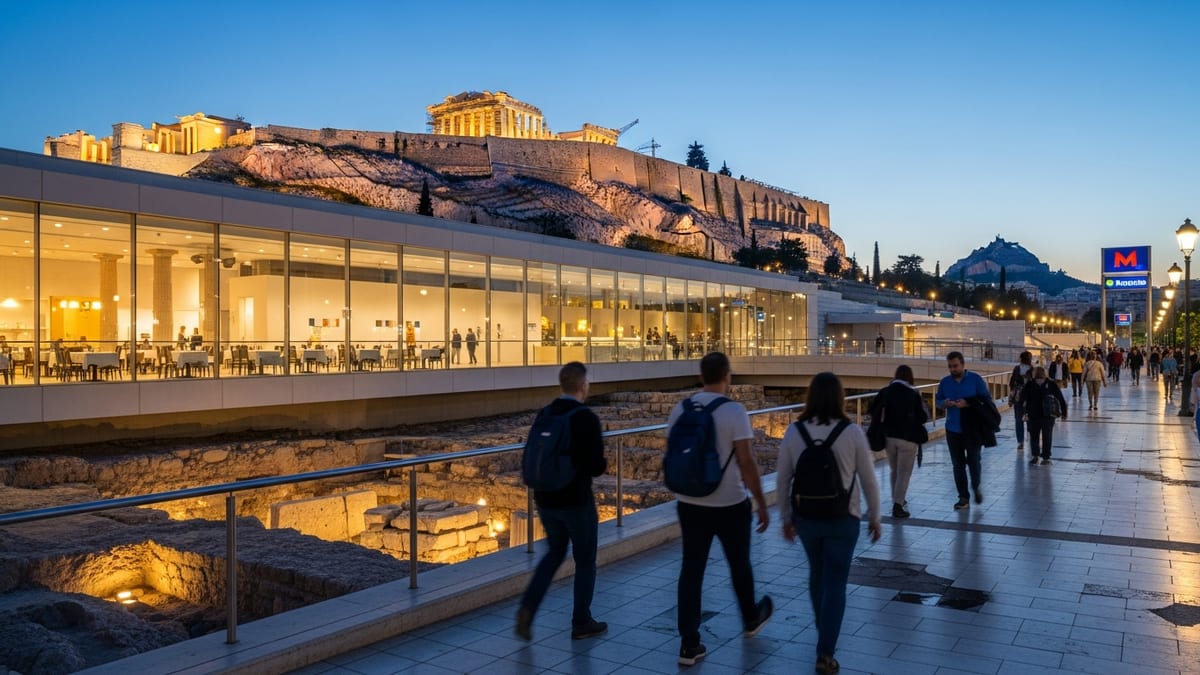
A Global Shift Toward Time Travel Tourism
Recent tourism and economic reports indicate that cultural and heritage focused trips are one of the fastest growing segments of global travel, driven by post pandemic demand for deeper, more meaningful experiences. Analysts note that travelers are increasingly choosing destinations based on the promise of authenticity and connection to local stories, rather than simply beach access or shopping districts.
International data compiled for 2024 and 2025 show that urban travel is rebounding with a strong tilt toward cities whose historic cores remain intact and walkable. Industry research points to a rising share of itineraries that include museums, historic districts, religious landmarks and traditional neighborhoods, as well as guided heritage walks and festivals staged in old quarters.
In parallel, government and regional tourism strategies are placing new emphasis on conserving built heritage and promoting it as an engine of sustainable development. From Europe and Asia to Latin America and the United States, investments in restoration, interpretation and visitor infrastructure around historic sites are framed as a way to spread tourism beyond a few overcrowded hotspots while protecting local identity.
Colombia’s Caribbean Jewels Lead Latin America’s Charge
Colombia has emerged as a standout example of this heritage tourism boom, with its Caribbean cities in particular attracting global attention. Cartagena de Indias, with its UNESCO listed walled city and 17th century fortifications, has seen international arrivals climb beyond pre pandemic levels, according to local tourism statistics and municipal projections. Peak season forecasts for 2024 and 2025 highlight double digit growth in air arrivals, much of it tied to interest in the colonial center and adjacent historic neighborhoods.
Smaller cities are also riding the wave. The riverfront town of Santa Cruz de Mompox, another UNESCO World Heritage site, has transformed from a relatively obscure colonial relic into a rising cultural escape. National coverage in Colombia has pointed to surging visitor numbers during events such as the Mompox Jazz Festival, underlining how heritage themed festivals can extend stays and spread visitors across a wider region anchored in history.
Tourism authorities and cultural organizations in Colombia are promoting these destinations as open air museums where travelers can experience living traditions, from religious processions and traditional jewelry making to coastal gastronomy rooted in Afro Caribbean heritage. The strategy frames historic preservation not only as a cultural imperative but as a way to bring tourism revenue into mid sized cities and secondary towns.
Europe’s Historic Quarters Recalibrate Mass Tourism
In Europe, heritage rich cities are responding to renewed demand by rebalancing tourism away from a narrow band of blockbuster attractions toward entire historic districts. Reports from European city alliances describe a “recalibration” in which visitors are encouraged to explore lesser known medieval streets, industrial heritage sites and cultural neighborhoods to relieve pressure on landmarks that have long faced overtourism.
Cities such as Lisbon, Prague and Kraków have expanded promotion of their traditional quarters, highlighting tiled facades, baroque churches and 19th century riverfront warehouses as key selling points. Municipal planning documents emphasize the role of heritage in creating a distinctive sense of place that cannot be replicated by newer destinations, arguing that this uniqueness underpins long term competitiveness in the global city travel market.
At the same time, European institutions are investing in digital tools that map and interpret urban heritage, from community curated “cultural gems” platforms to augmented reality applications overlaying historical information on city streets. These initiatives are designed to disperse visitors, lengthen stays and encourage off season travel while sustaining local businesses embedded in historic centers.
Asia’s Ancient Capitals and Living Traditions Draw New Audiences
Across Asia, iconic historic cities are reporting renewed and diversified interest as international travel normalizes. In Japan, long popular centers such as Kyoto and Kanazawa are placing fresh emphasis on preservation of wooden merchant houses, tea districts and temple complexes, while promoting artisan crafts and culinary traditions as core parts of the visitor experience.
In South and Southeast Asia, cities such as Luang Prabang, Hoi An and Jaipur are also benefiting from travelers who increasingly combine historic quarters with nearby natural or spiritual sites. Tourism boards in these destinations are highlighting layered history, from royal palaces and trading ports to colonial era architecture, in campaigns designed to attract higher spending visitors who stay longer and engage in guided cultural programming.
Researchers tracking regional tourism trends note that younger travelers are particularly drawn to these historic environments, often incorporating them into multi country itineraries focused on heritage trails, festivals and traditional performing arts. This has encouraged public and private stakeholders to accelerate restoration projects and interpretation efforts in older neighborhoods that had previously been overlooked.
Heritage Trails Power New Narratives in the United States
In the United States, heritage tourism is gaining momentum in cities and regions that foreground civil rights history, industrial legacies and early colonial stories. Market analysis suggests that the national heritage tourism segment is set for steady growth through the end of the decade, supported by tour operators specializing in educational and history themed travel.
Recent state and regional reports highlight the impact of designated heritage areas, where clusters of museums, historic sites and preserved downtowns are marketed under a single narrative. Examples include river valley corridors, former industrial hubs and urban neighborhoods linked to pivotal social movements. These areas often receive targeted grants for preservation, interpretation and small scale infrastructure, positioning them as multi day destinations rather than day trip stops.
Cities associated with key chapters of civil rights history, including Birmingham, Montgomery and Selma, have documented strong increases in visitation and visitor spending tied to curated trails and memorial sites. The economic ripple effect is visible in revitalized main streets, boutique accommodations in restored buildings and partnerships between cultural institutions and local businesses.
Balancing Preservation, Technology and Visitor Demand
The rapid ascent of heritage tourism brings both opportunities and responsibilities for historic cities. Urban planners and cultural organizations point to concerns about overtourism, rising housing costs and the risk that living neighborhoods can be reduced to open air stage sets if growth is not managed carefully.
Policy and research papers published in 2024 stress the need for protective zoning around heritage districts, limits on short term rentals in sensitive areas and investment in public services that support residents as well as visitors. Many cities are also experimenting with visitor caps at fragile sites, timed ticketing and dynamic pricing to spread demand.
Emerging technologies are increasingly seen as tools to reconcile access with preservation. Trials of augmented and virtual reality in historic centers aim to enhance interpretation without adding physical infrastructure, while digital ticketing platforms and real time crowd monitoring are used to redirect travelers to less crowded but equally significant sites.
As travelers continue to “time travel” through the world’s great historic cities, industry observers suggest that the destinations most likely to succeed will be those that treat heritage as a living asset. From Colombia’s Caribbean jewels to European and Asian old towns and American heritage corridors, the new global travel sensation lies in cities that manage to protect the past while building a sustainable future around it.