


More news on this day
New Jersey’s tourism industry is in the midst of a historic boom, with newly released economic data showing record visitor volumes, all-time-high spending and intensifying demand from leisure, business and event travelers across the Garden State.
Get the latest news straight to your inbox!
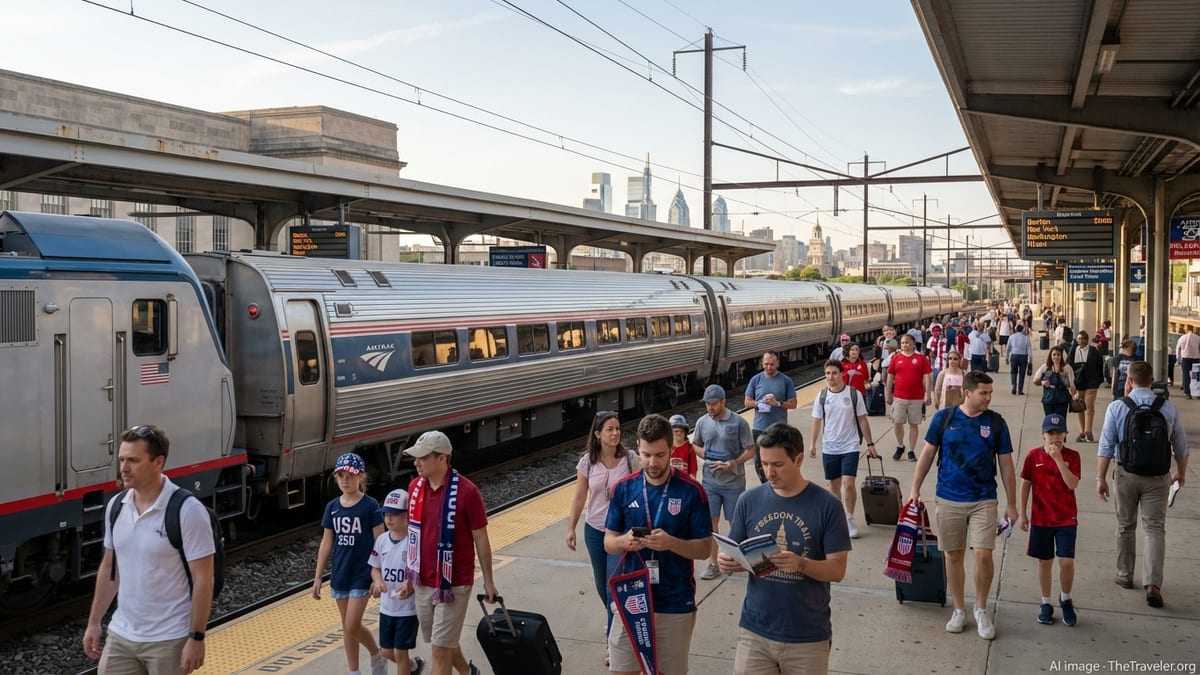
Record Visitor Numbers and Spending Redefine the Garden State
Recent economic impact studies from the New Jersey Division of Travel and Tourism indicate that the state has moved decisively beyond its pre-pandemic baseline. New Jersey welcomed approximately 120.5 million visitors in 2023, a gain of about 5 percent over the prior year and roughly 4 percent above the previous record set in 2019.
Visitor spending has climbed in tandem. Publicly available data for 2023 shows direct visitor expenditures of about 49.1 billion dollars, helping to generate a total tourism-related economic impact estimated at more than 78 billion dollars when indirect and induced effects are included. State and local tax revenues tied to tourism activity are reported at more than 5 billion dollars annually, underscoring the sector’s growing importance to New Jersey’s public finances.
Updated forecasts referenced in state and industry materials suggest that the upward curve continued into 2024, with visitor counts projected to surpass 123 million and total spending crossing the 50 billion dollar threshold for the first time. Analysts note that both higher volumes and elevated pricing in lodging, food services and experiences are contributing to these milestone results.
Tourism research partners tracking the New Jersey market point to several structural drivers behind the surge, including the state’s dense population base in the broader Mid Atlantic region, improved air and road access, and a diversified mix of coastal, urban, cultural and gaming destinations that are drawing visitors in multiple seasons.
Jersey Shore and Coastal Counties Lead Leisure Travel Surge
Coastal destinations, long the backbone of New Jersey’s visitor economy, are playing an outsized role in the current boom. Reports on Cape May County, the southern anchor of the Jersey Shore, show that direct visitor spending in 2023 reached an estimated 7.7 billion dollars, surpassing 2019 levels by hundreds of millions of dollars and confirming a strong rebound in beach and boardwalk travel.
Hotel performance indicators, traffic counts and local tax collections along the shore corridor all point to heightened demand during peak months, with some gauges suggesting that visitor flows in high summer are straining existing capacity in popular beach towns. Industry observers note that shoulder seasons in spring and fall are also strengthening as travelers seek to avoid crowding and higher prices in July and August.
Shore communities are investing in upgraded accommodations, dining and family attractions to capture this new wave of interest. Renovated oceanfront hotels, refreshed motels, expanded outdoor dining and upgraded amusement piers are cited by local tourism groups as evidence that operators are reinvesting to meet shifting traveler expectations for comfort, walkability and experiential offerings.
At the same time, transportation metrics on major shore access routes suggest that day-trip traffic remains robust, reflecting the Garden State’s ability to attract large numbers of visitors who travel by car from nearby metro areas for beach, festival and event outings without overnight stays.
Atlantic City Repositions With Meetings, Events and New Investment
Atlantic City, historically one of New Jersey’s best known leisure destinations, is emerging as a key beneficiary of the broader tourism upswing. Public reports from Visit Atlantic City show that the convention and visitors organization helped generate more than 300 million dollars in economic impact from meetings and events in 2023, hosting over 200 gatherings and more than half a million attendees.
Local business groups highlight 2024 as a record-breaking year for the city’s tourism agency, citing expanded convention bookings, increased room nights and a stronger pipeline of sporting events, trade shows and corporate meetings. These gains arrive as casino operators and hospitality brands channel multi million dollar investments into hotel renovations, entertainment venues and food and beverage concepts designed to reposition the resort as a broader entertainment and meetings hub.
Independent academic reports tracking the Atlantic City casino and hospitality sector suggest that while operating conditions remain competitive, visitor volume during key summer and event periods is strong. Observers emphasize that non gaming revenue, including hotel stays, dining, nightlife and conventions, is playing a larger role in overall performance as the city seeks to diversify beyond traditional casino gaming.
Destination marketers are also integrating Atlantic City more tightly into statewide tourism narratives, positioning it as both a standalone resort and a complement to nearby beach towns, historic sites and eco tourism assets in southern New Jersey.
Urban Gateways and Heritage Sites Extend the Tourism Map
Growth in New Jersey tourism is not limited to shore communities and resort cities. Urban centers such as Newark, Jersey City and Hoboken are registering increased visitor activity tied to sports, arts, dining and proximity to New York City. Hotel booking data and industry commentary indicate that these gateway cities are attracting more weekend leisure travelers, international visitors using regional airports and event attendees linked to concerts and major sports fixtures.
Heritage and cultural tourism are also benefiting from the broader upswing. The state’s historic preservation and cultural agencies highlight evidence that heritage travelers tend to stay longer and spend more per trip, supporting small businesses, museums and historic sites in communities throughout the state. Studies specific to New Jersey report significant economic contributions from visitors drawn to battlefields, lighthouses, historic downtowns and industrial heritage attractions.
Combined with outdoor recreation options such as state parks, wildlife areas and riverfront trails, these assets are broadening the perception of New Jersey beyond its long standing shore image. Travel marketers are increasingly emphasizing multi day itineraries that link coastal, urban and historic experiences, encouraging visitors to explore beyond a single beach or city stay.
Regional transportation connectivity, including commuter rail lines, light rail and expanded air service at Newark Liberty International Airport and other facilities, is supporting this dispersal by making it easier for visitors to pair city stays with side trips to smaller communities and natural areas.
Rising Demand Spurs Capacity Challenges and Strategic Planning
The pace of tourism growth is prompting New Jersey officials and industry stakeholders to weigh how best to manage capacity and sustain momentum. Forecasts prepared for the state anticipate continued increases in visitor volume and spending over the next several years, though at a more moderate rate than the initial post pandemic surge.
Concerns about housing availability, workforce capacity and infrastructure strain have become more pronounced in peak season communities. Local commentary from shore counties and Atlantic City notes that labor shortages in hospitality and food service, combined with rising housing costs, are complicating efforts to scale up operations to meet demand.
At the same time, transportation analysts are monitoring congestion patterns on major highways and bridges leading to the shore and key urban hubs. Investments in road maintenance, transit enhancements and parking solutions are being framed as essential to supporting continued tourism growth while maintaining quality of life for residents.
Statewide tourism plans referenced in public documents emphasize year round marketing, product diversification and collaboration with local governments as core strategies for managing this expansion. By spreading demand across more seasons, promoting under the radar destinations and aligning tourism development with community priorities, New Jersey aims to convert its current surge of visitor interest into a durable long term advantage.