


More news on this day
Georgia’s tourism industry will converge on Jekyll Island from September 28 to 30, 2026, for the Georgia Governor’s Tourism Conference, with this year’s program centering on artificial intelligence, online visibility and the next wave of travel trends shaping the state’s record visitor economy.
Get the latest news straight to your inbox!
Jekyll Island Set to Host a Growth-Focused 2026 Gathering
The 2026 Georgia Governor’s Tourism Conference is scheduled for September 28 to 30 at the Jekyll Island Convention Center, bringing together destination leaders, hoteliers, attraction managers and marketing specialists from across the state for three days of education and networking. Publicly available information from Explore Georgia describes the event as the state’s premier annual tourism gathering and notes that all general and breakout sessions will be centered at the convention complex on Jekyll Island.
Agenda details published for the 2026 conference indicate a full schedule of general sessions, concurrent breakouts and structured networking, framed by pre-conference social events and foundation fundraisers. Registration materials describe the gathering as an opportunity to study current market conditions, learn from case studies and identify tactics that can extend visitation across Georgia’s regions, from mountain destinations to coastal communities.
Recent briefings from the Georgia Department of Economic Development show that tourism has delivered record results in recent years, with statewide visitor spending and economic impact reaching new highs. Against that backdrop, the 2026 conference is being positioned as a forum to translate strong demand into long-term, sustainable growth that can weather economic shifts and changes in traveler behavior.
AI Visibility Rises From Experiment to Central Strategy
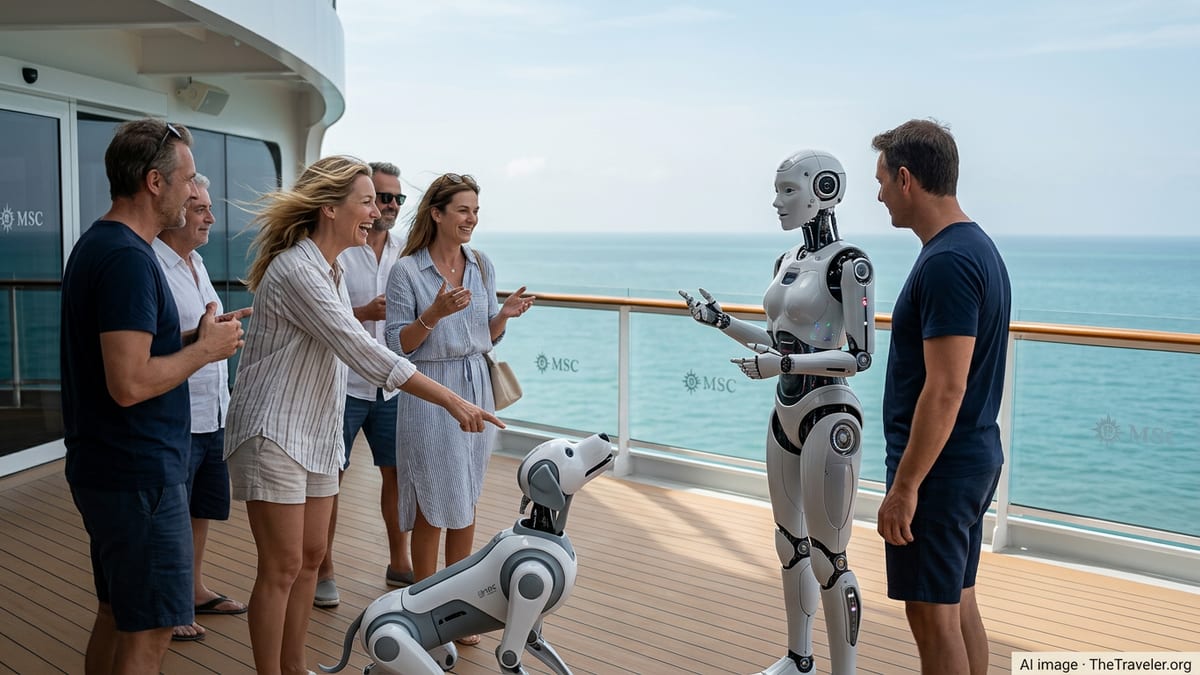
Conference materials and related industry documents point to artificial intelligence and online visibility as central discussion themes in 2026, building on prior years in which AI-powered hospitality and digital marketing were introduced in breakout sessions. Presentations highlighted in earlier conference coverage have already explored how predictive analytics, generative tools and automation can support tourism marketing campaigns, and organizers appear poised to expand that focus for the Jekyll Island event.
Supplementary resources circulated to Georgia destination marketing organizations in advance of the conference outline topics such as AI-driven search visibility, web crawlers that shape how destinations appear in travel planning tools, and the growing influence of AI-powered trip planners on where visitors choose to go. These materials suggest that sessions in 2026 will delve into how attractions, convention and visitors bureaus and lodging operators can optimize content and data so that AI systems can better interpret what local destinations offer.
Industry guidance shared with Georgia tourism professionals has emphasized that AI readiness is not limited to adopting new tools, but also involves strengthening core digital assets such as structured data, consistent imagery and clear storytelling. The 2026 tourism conference is expected to translate these concepts into practical steps for communities of all sizes, from small towns relying on heritage tourism to larger metro destinations competing for international visitors.
Emerging Travel Trends Shape Session Lineup
Publicly available agenda information for the 2026 conference, together with recent tourism research used by Georgia agencies, indicates that several emerging travel trends will inform the program. Among them are continued demand for outdoor and coastal experiences, renewed interest in authentic small-town visits and a rise in trips tied to film locations, sports events and agritourism.
Conference partners have also pointed to shifting traveler expectations around flexibility, value and sustainability. Discussions in Jekyll Island are expected to spotlight how destinations can respond to visitors who combine remote work with leisure travel, prioritize experiences over possessions and seek lower-impact ways to explore natural areas. Case studies referenced in recent tourism publications note that Georgia communities are experimenting with new itineraries, shoulder-season events and niche experiences to smooth out demand across the year.
Another trend likely to feature prominently is the integration of data-driven insights into everyday decision-making. Industry reports circulated ahead of the event show that Georgia destinations are increasingly using mobility data, lodging performance metrics and social listening tools to refine marketing and product development. Conference sessions are anticipated to explore how these insights can be paired with AI to anticipate traveler needs, identify underserved markets and adjust campaigns in near real time.
Collaboration Across Georgia’s Tourism Network
Organizers describe the Georgia Governor’s Tourism Conference as a collaborative platform that unites state agencies, local tourism offices, hospitality companies and sector partners such as transportation providers and event venues. Registration information notes that the event typically attracts several hundred attendees, including representatives from destination marketing organizations, local governments, attractions, hotels and travel service providers.
Materials shared in advance of the 2026 gathering emphasize that collaboration is increasingly essential as travelers discover destinations through a mix of social media, search engines, streaming content and AI-powered recommendation tools. Sessions are expected to address how regions can coordinate messaging, share content assets and pool research in order to present cohesive stories that resonate with potential visitors both online and in person.
Scholarship and professional development programs promoted around the conference signal a focus on building the next generation of tourism leaders in Georgia. Industry associations have encouraged smaller and rural destinations to participate, contending that access to AI literacy, digital marketing skills and trend analysis should extend beyond major metropolitan areas if the state is to maintain its recent tourism momentum.
Positioning Georgia for a Competitive Future
Statements from state tourism and economic development agencies over the past several years have linked Georgia’s record visitor numbers to coordinated marketing campaigns, product development and strategic investments in attractions and infrastructure. The 2026 Georgia Governor’s Tourism Conference is framed as the next step in that strategy, focusing attention on how AI-enabled visibility and an understanding of shifting travel trends can help preserve those gains.
Conference partners have characterized the Jekyll Island gathering as an opportunity for industry professionals to test new ideas, compare experiences across regions and identify common challenges, including workforce needs, changing traveler demographics and competition from other states. With tourism positioned as one of Georgia’s largest economic contributors, the outcomes of those conversations are likely to influence marketing priorities, funding discussions and destination development efforts over the next several years.
As Georgia prepares to welcome tourism leaders to its coast in late September 2026, the agenda signals a clear message: understanding how visitors find, evaluate and share destinations in an AI-shaped digital landscape will be as important as the attractions themselves. For communities across the state, the conference is being cast as both a learning opportunity and a call to adapt quickly to a travel marketplace that is evolving in real time.