


More news on this day
Hundreds of passengers were left stranded at major airports after a fresh wave of schedule disruptions saw at least 34 flights canceled and a further 272 delayed, underscoring how vulnerable modern airline networks remain to even short bursts of pressure.
Get the latest news straight to your inbox!
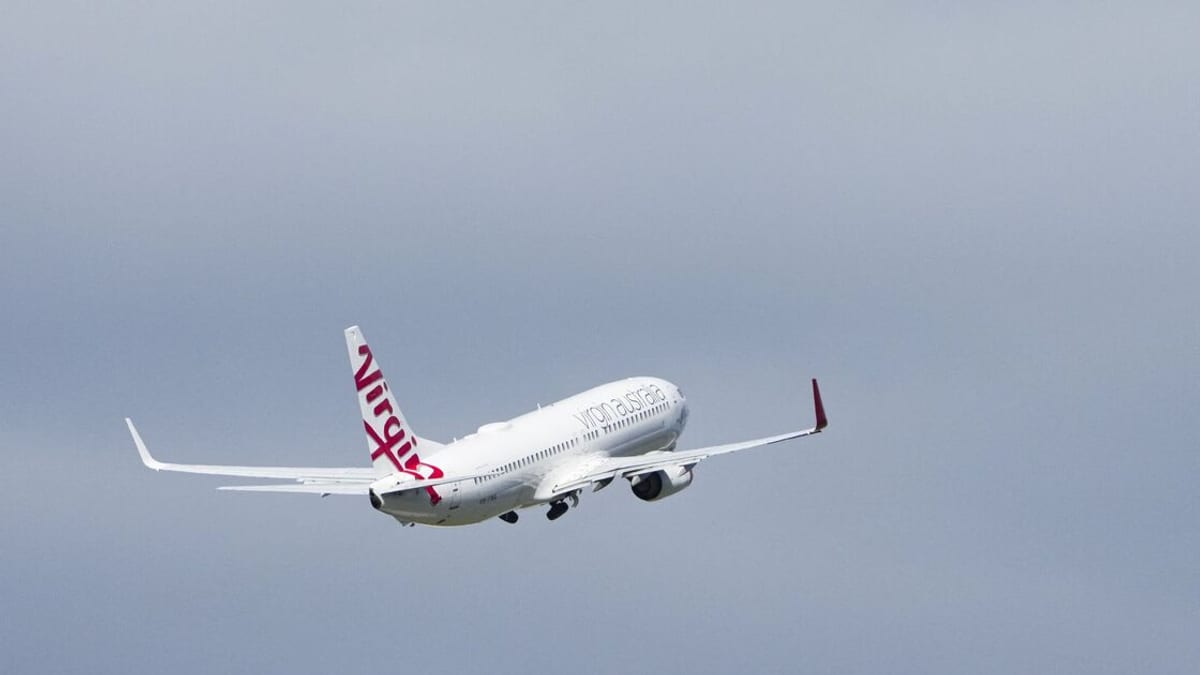
Disruptions Hit Key Regional Hubs
Published coverage and flight-tracking data from April 27 and 28 indicate that the latest disruption centered on major airports in Australia and New Zealand, with Sydney, Melbourne and Auckland among the worst affected. Reports describe terminals crowded with passengers facing missed connections, extended layovers and, in some cases, overnight stays as airlines struggled to rebook travelers.
The figures themselves are modest compared with peak holiday chaos in larger markets, but analysts note that thirty four cancellations and more than two hundred seventy delays across a regional network in a single day are enough to push operations to a breaking point. Airlines that have been operating tight, utilization heavy schedules appear to have had limited spare capacity to absorb the shock.
Publicly available information shows that the knock on effects were not limited to the immediate region. Some long haul services connecting through the affected hubs also faced delays, leaving passengers bound for Asia, North America and Europe grappling with missed onward flights and last minute itinerary changes.
Observers point out that similar patterns have emerged in recent months during weather events in North America, regional disruptions in the Gulf and political tensions in parts of the Middle East, suggesting a global system operating close to its limits.
How a Small Number of Cancellations Cascaded
A key feature of the latest episode, according to aviation coverage, is the scale of the chain reaction compared with the size of the initial problem. With many short haul aircraft scheduled to operate eight to ten sectors per day, even modest morning delays reportedly fed into wider disruption by midday as planes and crews slipped further out of position.
As rotations unraveled, crews began hitting legal duty time limits, forcing additional cancellations when replacement staff or spare aircraft were not immediately available. This so called domino effect has been highlighted repeatedly in post pandemic operational reviews, which warn that leaner staffing and fleet structures can magnify relatively minor issues.
Industry commentators describe this as a form of recovery fragility, in which networks appear to function smoothly when conditions are normal but struggle to bounce back quickly after a disturbance. When thirty four flights are canceled outright and hundreds more run late, the impact becomes visible in crowded customer service lines, oversubscribed hotel inventories near airports and growing pressure on baggage and ground handling operations.
The latest turmoil mirrors earlier episodes documented in the United States and Europe, where staffing shortages, severe weather or airspace restrictions led to thousands of delays and widespread passenger complaints over rebooking and compensation.
Passengers Face Long Waits and Limited Options
Travel reports from the affected airports describe scenes familiar from previous disruption events, with long queues forming at airline counters as passengers sought alternative routings. In some cases, travelers were offered rebookings one or two days later, reflecting the limited number of open seats on subsequent departures.
For those stranded overnight, access to accommodation and meal support varied by carrier and ticket type. Consumer advocacy groups note that passenger rights frameworks differ significantly between regions, leaving some travelers with stronger entitlements to care and compensation than others facing similar delays.
Families traveling with children, as well as business travelers on tight schedules, appeared particularly exposed. Accounts shared via social media referenced missed weddings, client meetings and visa related entry deadlines, highlighting how even a single canceled or heavily delayed flight can trigger significant downstream consequences for individual passengers.
Recent disruptions in other regions, including cancellations that left travelers stranded in Jordan and across parts of the Gulf, have prompted renewed debate over what level of support airlines should provide when events are not solely attributable to weather or air traffic control constraints.
Systemic Strain Across the Global Aviation Network
While the latest figures from Australia and New Zealand are striking, they form part of a broader pattern of irregular operations documented over the past year. Data collated by flight tracking services and regulatory filings across multiple markets point to elevated rates of delays and cancellations compared with pre pandemic norms, even as overall capacity has in many places surpassed 2019 levels.
Industry analysis suggests that rising fuel costs, airspace restrictions linked to geopolitical tensions, and ongoing staffing challenges among pilots, cabin crew, ground handlers and air traffic controllers are all contributing factors. Each element alone may be manageable, but in combination they reduce the margin for error in day to day operations.
Earlier this year, for example, significant disruptions were reported after regional conflicts led to rerouted or suspended flights across parts of the Middle East, stranding hundreds of thousands of travelers and forcing airlines to redesign schedules with little notice. Similarly, winter weather events and government funding disputes in North America have been associated with spikes in delays running into the thousands in a single day.
Analysts say that the episode involving thirty four cancellations and 272 delays at major Australasian hubs illustrates how quickly localized challenges can ripple across international networks. For multinational carriers and alliance partners, a missed connection in one region can degrade on time performance statistics and customer satisfaction scores worldwide.
What Travelers Can Do During Irregular Operations
Travel experts and consumer organizations consistently advise passengers to take a proactive approach when signs of disruption emerge. Publicly available guidance suggests checking flight status frequently through airline apps and airport displays, rather than relying solely on original booking confirmations.
When flights are canceled or heavily delayed, many airlines encourage customers to manage changes digitally where possible, either through mobile apps or automated tools on kiosks at the airport. In large scale events involving hundreds of affected flights, online systems can sometimes process rebookings faster than in person service desks, which may face lengthy queues.
Specialists also recommend that passengers familiarize themselves in advance with the specific rights and policies that apply in the regions where they are flying. In some jurisdictions, travelers may be entitled to care, refunds or compensation once delays reach certain thresholds, while in others support may be more discretionary and dependent on the underlying cause of the disruption.
For now, the cluster of thirty four cancellations and 272 delays stands as another reminder that even as global air travel rebounds, the system remains susceptible to sudden shocks. With schedules operating near capacity, relatively small disturbances can leave hundreds of travelers stranded and turn a routine travel day into an extended test of patience.