


More news on this day
Hundreds of passengers across Australia and New Zealand faced long queues, missed connections and unexpected overnight stays on Sunday after 34 flights were cancelled and a further 272 delayed across the region’s busiest airports.
Get the latest news straight to your inbox!
Major Hubs Brought to a Standstill
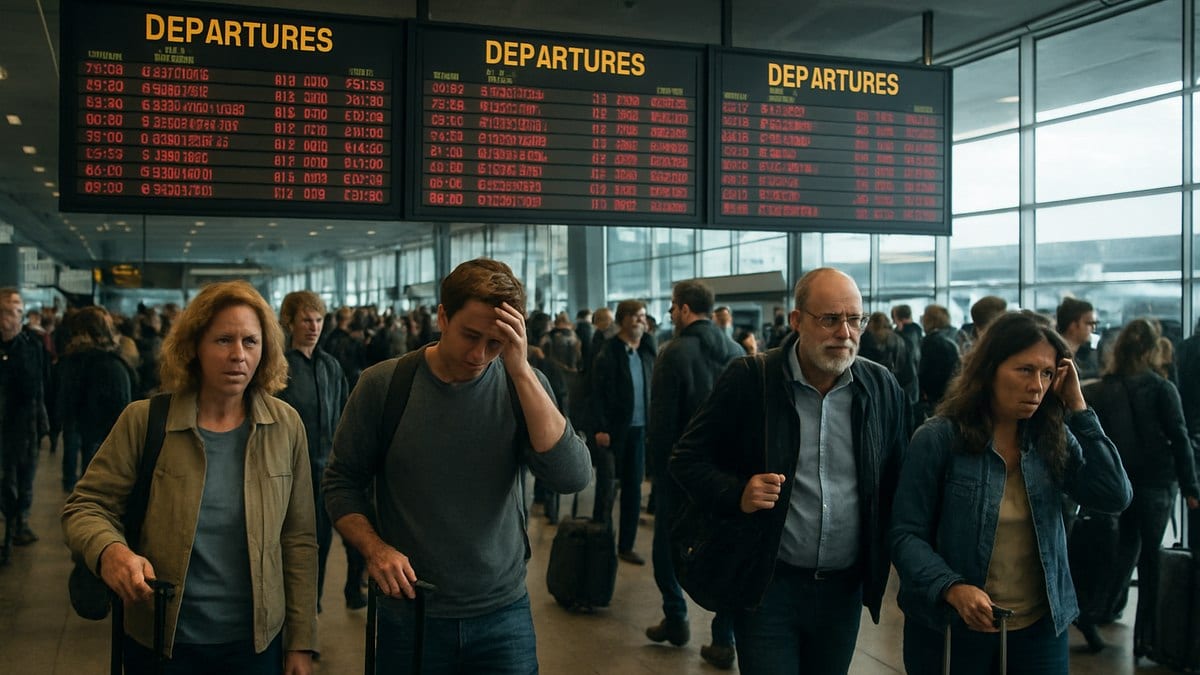
Publicly available flight tracking data and regional media coverage indicate that disruption was concentrated at major gateways including Sydney, Melbourne and Auckland, where airlines struggled to keep services running to schedule. At peak times, departure boards showed clusters of delayed services along with a string of cancellations affecting both domestic and trans-Tasman routes.
Reports suggest that the combination of cancellations and rolling delays left departure lounges crowded for much of the day, with passengers waiting hours for updated departure times or alternative routings. In some cases, knock-on effects meant that even flights still operating departed significantly behind schedule as aircraft and crew were repositioned.
Coverage from several outlets describes the impact rippling across the wider network as aircraft based in one city failed to reach their next scheduled departure point in time. That pattern compounded delays into the evening period, particularly on routes linking Australia’s east coast with New Zealand’s main centers.
Multiple Airlines Caught in the Disruption
According to published coverage summarising operations on Sunday, the disruption affected services operated by several major carriers active on Australia and New Zealand routes. Reports reference Jetstar, Qantas and Virgin Australia among the airlines with cancelled or heavily delayed services, alongside other operators on trans-Tasman and domestic corridors.
In such situations, shared use of airport infrastructure and code share agreements can magnify the impact of individual schedule problems. When one carrier’s aircraft or crews are out of position, connecting passengers booked across partner airlines may also be unable to reach onward flights, increasing the pool of travellers stranded or forced to rebook.
While the precise breakdown of responsibility across individual carriers has not been fully detailed in public data, the scale of Sunday’s disruption, with 34 cancellations and 272 delays recorded across the network, points to a systemwide shock rather than an isolated issue confined to a single airline.
Knock-on Effects for Business and Leisure Travel
The cancellations and delays came at a busy period for air travel in the region, with a mix of business travellers, international tourists and returning residents using key routes between Australia and New Zealand. Travel industry commentary notes that even relatively short delays on trunk routes such as Sydney to Melbourne or Sydney to Auckland can create significant downstream impacts for travellers with long haul or regional connections.
For some passengers, the disruption translated into missed events, lost working time or the need to pay out of pocket for additional accommodation, food and local transport while waiting for replacement flights. Others faced the more modest but still frustrating prospect of extended airport waits and late-night arrivals far outside their original plans.
Tourism operators and accommodation providers in major cities are likely to feel secondary effects, as disrupted itineraries can lead to late check-ins, shortened stays or cancellations when travellers are unable to reach their destination on the intended date.
Why One Day of Disruption Spreads So Widely
Aviation analysts frequently highlight how tightly scheduled modern airline operations have become, with individual aircraft often operating multiple sectors per day with limited turnaround time. When an early service is significantly delayed or cancelled, those later sectors can quickly be affected, creating what observers describe as a domino effect across a carrier’s network.
In the Australia and New Zealand context, this effect can be particularly pronounced on trans-Tasman routes and domestic trunk lines that feed major hubs. When aircraft that should operate a mid-morning Melbourne to Auckland service, for example, cannot depart on time due to an earlier delay, the consequences can include missed onward international connections and pressure on later departures that must absorb displaced passengers.
Publicly accessible performance data from aviation agencies in both countries has previously shown that recovery from such disruptions can take many hours, particularly when spare aircraft and crew are limited. Sunday’s pattern of 272 delayed services alongside 34 outright cancellations is consistent with a system working close to its limits, where small operational shocks can escalate into network-wide problems.
What Stranded Travelers Can Do Next
Consumer and travel advice resources generally recommend that passengers facing cancellations or significant delays first confirm their flight’s status using the operating airline’s official channels, including mobile apps and airport information screens. When services are cancelled, many airlines will attempt to rebook affected travellers automatically, although available seats on later flights can be scarce on heavily used routes.
Travel experts also point to the importance of understanding fare conditions and any applicable passenger rights regimes in Australia and New Zealand, which may influence what support is available in cases of long delays or cancellations. Depending on the circumstances and the terms of carriage, assistance can range from rebooking on the next available flight to meal vouchers or accommodation support for overnight disruptions.
For those with onward international connections, insurers and travel advisors often encourage early communication with both airlines and insurance providers, as documentation of delays and cancellations can be important if travellers later seek to recover additional costs. With hundreds of people affected on Sunday across multiple airports, such steps may help limit the financial and logistical impact of a difficult travel day in the Australia and New Zealand aviation network.