


More news on this day
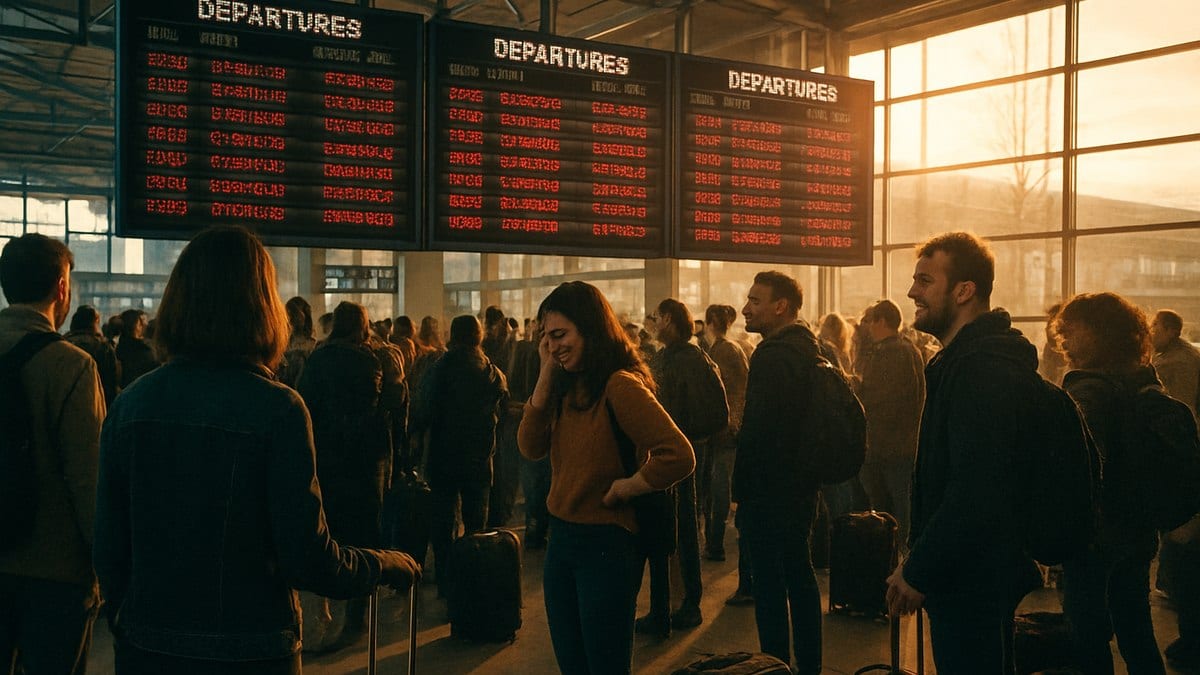
Hundreds of air travelers have been left stranded at major UK hubs after a wave of short-notice flight cancellations, as carriers cut schedules in response to fuel pressures and mounting operational constraints.
Get the latest news straight to your inbox!
Disruption Spreads Across Key UK Airports
Reports from UK media and travel advisories on 27 April 2026 indicate that cancellations and severe delays have been concentrated at London Heathrow, London Gatwick and Manchester, affecting both domestic and international services. While the precise number of grounded flights is still being updated, publicly available data and local coverage point to several hundred passengers stuck airside or forced to rebook at short notice as the day has progressed.
Airline status boards at the main hubs have shown clusters of late-notice cancellations, particularly on short haul European routes and some long haul services that are heavily dependent on onward connections. Travelers arriving at Heathrow and Gatwick early in the day have reported rolling departure time changes followed by outright cancellations, a pattern that has become familiar across European aviation this spring.
Regional airports feeding into these hubs are also feeling the strain. Manchester, which has already faced criticism from travelers this year for congestion and staffing issues, is seeing a mix of outright cancellations and significant delays that are leaving passengers facing missed connections and unexpected overnight stays.
Fuel Crisis and Capacity Constraints Behind Cuts
The latest disruption is unfolding against the backdrop of a wider aviation retrenchment in Europe, linked to an ongoing jet fuel crunch triggered by the conflict involving Iran. Industry briefings and recent announcements from major airline groups describe a sharp rise in operating costs and warnings of capacity reductions through the summer 2026 season as carriers attempt to conserve fuel and protect finances.
According to published coverage of airline schedule changes, several European carriers have already removed thousands of flights from their timetables for the coming months, with short haul rotations and less profitable routes bearing the brunt. For UK travelers this has translated into thinner schedules on some cross channel services and selective cuts on long haul connections, particularly those that rely on refuelling or onward traffic through Middle Eastern hubs.
Data highlighted by UK consumer outlets also shows that cancellations are increasingly being planned in advance as part of revised summer schedules rather than triggered solely by day of travel issues such as weather. However, today’s pattern of late-notice disruption at UK hubs suggests that unplanned operational pressures, including aircraft and crew positioning challenges, are adding to the burden.
Summer Schedules Already Under Pressure
In the weeks leading up to 27 April, individual airlines serving the UK market have issued updates trimming summer 2026 flying programs. Irish carrier Aer Lingus, for example, has confirmed a series of cancellations and timetable changes affecting routes between Ireland and UK airports, with reports indicating that more than 500 services over the season will be altered or removed from sale. While many of these changes are spread across months, they contribute to a tighter overall network and fewer fallback options when disruption hits.
Other European airline groups have signalled broad cuts to short haul services through to October, attributing the reductions to the fuel situation and to capacity constraints at already busy hubs. For travelers connecting via the UK, that combination means fewer available seats, more crowded remaining flights and a higher chance that a single cancellation cascades into missed onward journeys.
Travel industry analysis notes that this tightening of schedules comes at a time of robust leisure demand from UK holidaymakers and business travelers. The imbalance is increasing pressure on remaining flights, leaving airlines with less flexibility to absorb shocks when aircraft are taken out of rotation or when crew availability is disrupted.
What Stranded Passengers Are Experiencing
Accounts shared with UK media and on social platforms show travelers facing long queues at customer service desks, limited same day rebooking options and difficulty securing accommodation near major airports. Some passengers whose flights were cancelled late in the evening have described being directed to contact airlines online, only to find that the next available departures are days away, particularly on popular leisure routes.
Families returning from holidays and students traveling between university and home appear to be among those most affected, with several reports of groups being split across multiple replacement flights. Passengers connecting through Heathrow and Gatwick from long haul services have described arriving to find their onward sectors to regional UK airports cancelled, forcing them to arrange rail or coach alternatives at their own expense.
Travel advisors caution that even passengers who are eventually rebooked may face indirect costs such as missed hotel nights, lost prepaid activities and additional ground transport. With school holidays approaching in parts of Europe, concerns are growing that similar scenes could recur if fuel and capacity issues deepen over the coming weeks.
Understanding Passenger Rights and Next Steps
Consumer groups and travel law specialists in the UK are reminding affected passengers that cancellations originating from UK airports fall under the UK261 compensation and assistance framework. This regime generally requires airlines to offer a choice between rerouting at the earliest opportunity and a full refund, along with care such as meals and hotel accommodation when travelers are left waiting for prolonged periods or overnight.
However, publicly available guidance also notes that cash compensation may not apply if the disruption is linked to extraordinary circumstances beyond an airline’s control, such as certain airspace restrictions. In practice, this means many passengers will be entitled to practical support and refunds but may not qualify for an additional fixed compensation payment, particularly where airlines can point to systemic fuel constraints.
Travel advice issued today stresses the importance of checking flight status repeatedly in the 24 hours before departure, building in additional time for connections through major hubs, and keeping digital copies of boarding passes, receipts and correspondence to support any later claims. With UK hubs already feeling the strain before the main summer getaway, many analysts expect airlines and airports to remain under close scrutiny from regulators and passengers alike as this latest wave of cancellations unfolds.