


More news on this day
Passengers at Dublin Airport are facing significant disruption as a wave of delays and cancellations affecting at least 141 flights and five services scrubbed has rippled across major European hubs including London, Amsterdam and Frankfurt, with Ryanair, Aer Lingus, Emirates and several other carriers reporting knock-on operational challenges.
Get the latest news straight to your inbox!
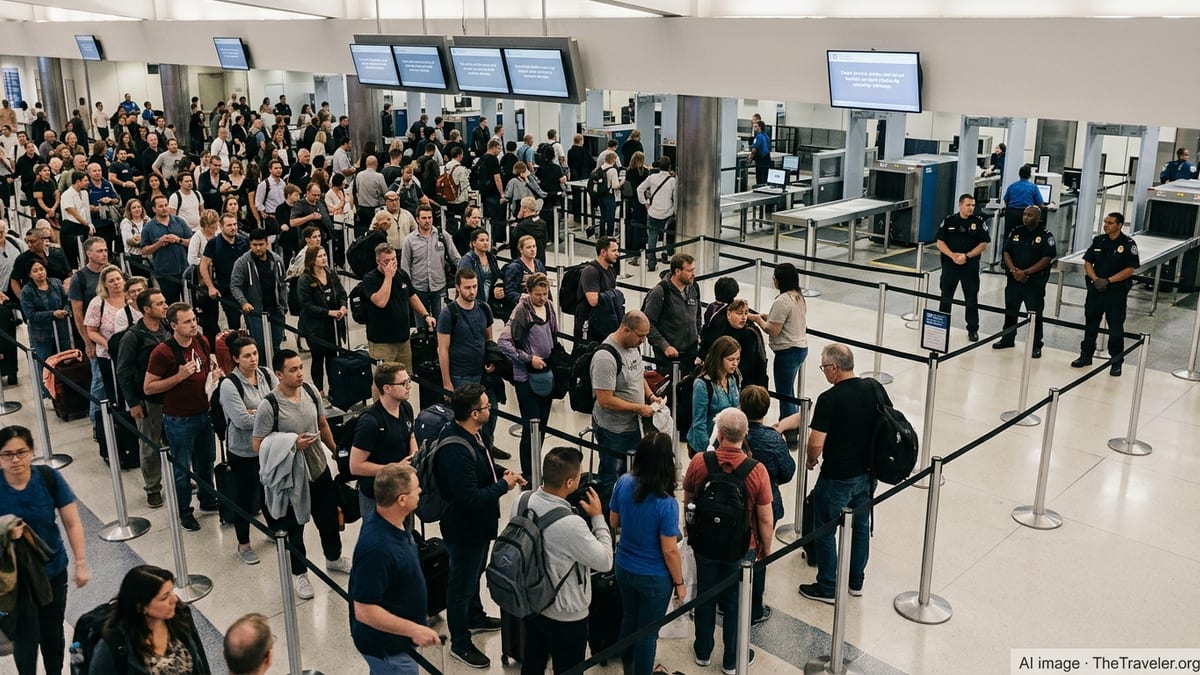
Wave of Disruptions Leaves Dublin Passengers Stranded
Data from live flight-tracking and airport information platforms on 4 July 2026 indicates that Dublin Airport has been hit by a concentrated period of irregular operations, with more than one hundred departures and arrivals running late and a small number of flights cancelled outright. The pattern points to a systemwide strain rather than a single localised issue, with delays clustering on core European routes that connect through some of the continent’s busiest hubs.
Ryanair and Aer Lingus, the two largest operators at Dublin Airport, appear among the most affected carriers, alongside long-haul and network airlines such as Emirates and major European partners feeding traffic through London, Amsterdam and Frankfurt. Publicly available records show delays spanning early-morning departures through late-evening inbound services, creating extended waits for passengers and complicating connections onto onward flights.
While five cancellations represent a fraction of total daily traffic, aviation incident trackers show that they contribute to wider disruption as aircraft and crews are repositioned and passengers are rebooked. Even where flights operate, departure and arrival times have in many cases shifted significantly, leading to missed trains and buses as well as additional accommodation and meal costs for those forced to remain in Dublin overnight.
The current episode follows several earlier disruption days at Dublin this year that were linked to a combination of air traffic control capacity constraints, weather issues at busy European hubs and tight aircraft schedules across multiple airlines. Industry observers note that when these factors align, relatively modest local delays can quickly cascade into systemwide congestion.
London, Amsterdam and Frankfurt Hubs Under Pressure
Reports from flight data services show that a significant share of the latest Dublin disruption is tied to flights operating through London, Amsterdam and Frankfurt, three of Europe’s most constrained hub airports. Services to and from London Heathrow in particular have experienced recurring delays in recent months, reflecting slot congestion and periodic air traffic control restrictions in the wider London airspace.
Amsterdam Schiphol, another key link for Irish travellers heading to continental Europe and long-haul destinations, continues to experience intermittent operational pressures. Historical performance data for Dublin–Amsterdam services operated by Aer Lingus and partner airlines shows multiple instances of extended delays earlier this year, and the current pattern suggests that tight turnaround windows leave limited room for recovery when inbound aircraft arrive late.
Frankfurt, a major transfer point for German and global connections, has also appeared repeatedly in delay statistics relating to Dublin-bound services. When combined with London and Amsterdam holdups, these issues amplify the effect of even short disruptions. Industry analyses of European air traffic performance in 2026 describe a network in which average delays remain modest but are unevenly distributed, with peak congestion at major hubs disproportionately affecting secondary airports such as Dublin.
These conditions mean that a single weather cell, technical inspection or minor air traffic control restriction at a hub can propagate down the line, causing rolling delays for passengers who may be far from the original source of the problem. For travellers in Dublin on 4 July, that has translated into a day of uncertainty, repeated schedule updates and longer-than-expected waits in departure lounges.
Ryanair, Aer Lingus and Emirates Among Affected Airlines
Ryanair, operating one of the largest short-haul fleets in Europe, has seen several Dublin services to and from London area airports and continental destinations face schedule changes as a result of the latest disruption. The carrier’s dense point-to-point network depends on rapid aircraft turnarounds, so delays on a single early-morning rotation can reverberate across multiple subsequent flights.
Aer Lingus, which combines short-haul European routes with an expanding North Atlantic network from Dublin, has likewise been drawn into the disruption cycle. Recent operational documentation and performance data show that several Dublin services to Heathrow, Amsterdam and other European hubs have experienced notable delays this year, reflecting the same structural pressures evident across the wider network.
Long-haul operators are not immune. Emirates and other intercontinental carriers serving Dublin rely heavily on precise arrival and departure timings to protect onward connections at their home hubs. When European feeder flights into Dublin or outbound services toward major hubs are delayed, even by relatively small margins, connection windows shrink and rebooking volumes can increase, adding workload for airline staff and anxiety for passengers.
According to published coverage on recent irregular operations at Dublin, previous disruption days this year have primarily affected flights within Europe and the United Kingdom, but knock-on effects have reached transatlantic and Middle Eastern routes as aircraft and crews fall out of rotation. The latest episode appears to fit this pattern, with short-haul congestion creating broader network headaches.
Knock-on Effects for Passengers and Operations
The practical consequences for passengers extend beyond the immediate wait at the gate. When flights depart late from Dublin to hubs such as London, Amsterdam and Frankfurt, travellers connecting onto onward services face an elevated risk of missed connections, especially where minimum connection times are already tight. Rebooking options during peak summer travel periods can be limited, adding to frustration.
Travel rights experts note that disruption on this scale often leads to a spike in claims for compensation and reimbursement, particularly on routes covered by European passenger protection rules. Previous incident analyses of Dublin disruption days show that delays and cancellations can generate thousands of claims across multiple airlines as travellers seek redress for missed holidays, business meetings and additional expenses.
Operationally, airlines must juggle aircraft allocation, crew duty-hour limits and airport curfews when irregular operations unfold. Decisions on whether to cancel a flight, delay it or substitute a different aircraft are influenced by factors including maintenance requirements, expected demand on future rotations and available standby crews. The resulting adjustments are reflected in the evolving departure and arrival boards visible to passengers throughout the day.
For Dublin Airport itself, managing a day with more than 140 delayed movements requires continuous coordination across ground handling, security screening and stand allocation. Even when the root causes lie outside Ireland, congested departure gates and late-arriving aircraft can strain terminal facilities and staffing plans, with knock-on impacts for retail operations and surface transport flows.
What Travellers Can Do During Irregular Operations
Consumer organisations and travel advisory services generally recommend that passengers monitor their flight status closely through official airline channels and airport information pages during periods of heavy disruption. Same-day schedule changes can be frequent, particularly when airlines attempt to recover rotations later in the day, so information received at the time of booking may no longer be accurate.
Industry guidance also stresses the importance of understanding ticket conditions and passenger rights before travelling. On flights covered by European regulation, travellers whose services are significantly delayed or cancelled may be entitled to care in the form of meals and accommodation, as well as potential financial compensation depending on the cause of the disruption. Documentation such as boarding passes, booking confirmations and receipts for additional expenses is often essential when submitting claims.
Experienced travellers often recommend allowing generous connection times when itineraries rely on multiple European hubs that have a history of congestion. Recent performance data for key routes linking Dublin with London, Amsterdam and Frankfurt shows that while most flights operate close to schedule, outlier days like the current one can be highly disruptive for those with tight onward transfers.
With the peak summer travel season under way, analysts expect further isolated days of disruption across the European network as air traffic demand, weather and staffing levels interact. For passengers using Dublin Airport, today’s pattern of 141 delays and five cancellations serves as another reminder of how quickly pressures at distant hubs can translate into local gridlock.