


More news on this day
The Manitoba sheriff’s officer who died after a Manitoba Sheriffs van collided with a freight train near Portage la Prairie has been identified as 27-year-old Brett Matheson-Maytwayashing, a young father and First Nations community member who was travelling to court when the crash occurred.
Get the latest news straight to your inbox!
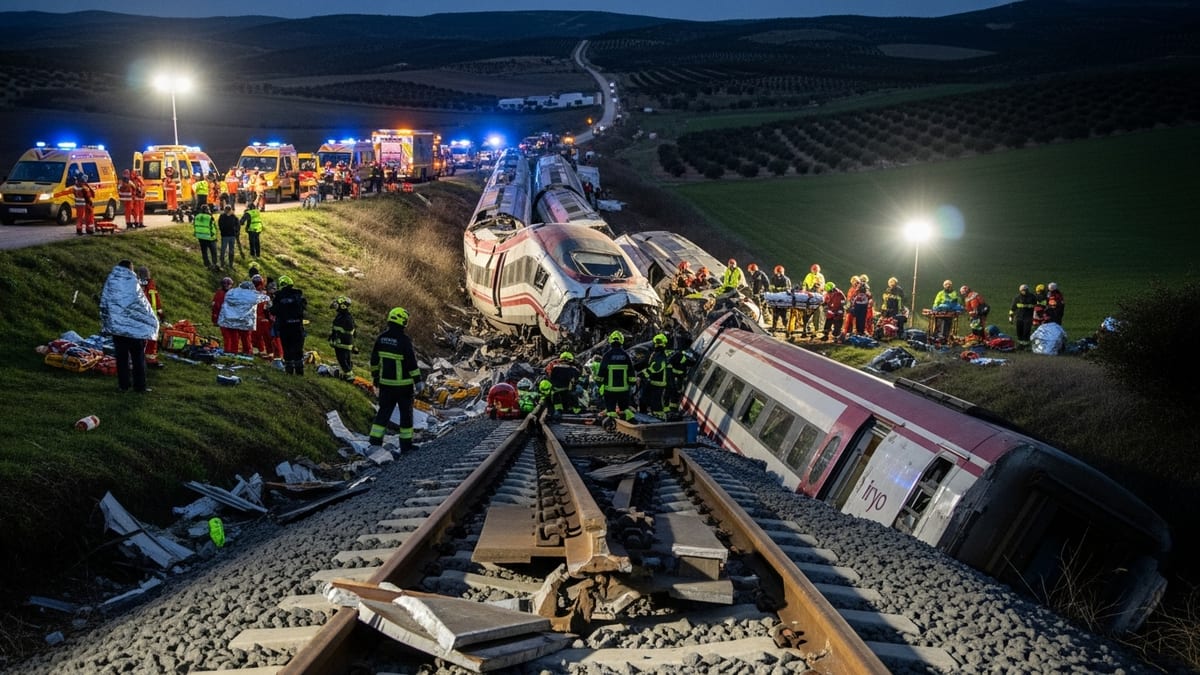
Officer identified after fatal rail collision near Portage la Prairie
Published coverage indicates the collision happened on Tuesday, July 14, on a rural road west of Portage la Prairie, where a Manitoba Sheriffs vehicle was travelling north toward a level rail crossing. Reports describe the vehicle as a sheriffs service van that was heading to a court sitting in the community of Amaranth.
According to information released by the Royal Canadian Mounted Police and summarized in multiple news reports, the van was struck on the driver’s side by an eastbound Canadian National freight train. The impact pushed the vehicle into a nearby ditch and caused significant damage to the front portion of the van.
Matheson-Maytwayashing, who was driving, was pronounced dead at the scene. Another sheriff travelling in the van sustained injuries described in published coverage as non life threatening and was transported to hospital for treatment.
RCMP investigators, CN Police and Manitoba Workplace Safety and Health are reported to be examining the circumstances of the crash, including visibility at the crossing, the operation of rail warning systems and the speed and movement of both the train and the sheriffs vehicle.
Remembered as devoted father and proud First Nations leader
Publicly available information from regional outlets portrays Matheson-Maytwayashing as a devoted father and proud member of Pimicikamak Cree Nation. Family members quoted in news reports describe him as deeply rooted in Cree culture and ceremonies, regularly taking part in traditional practices and helping to organize community events.
Reports indicate that he leaves behind a young son, with another child on the way. Those accounts depict a family grappling with sudden loss while emphasizing his role as a caregiver, cultural leader and mentor to younger relatives.
Coverage from Manitoba media also notes that Matheson-Maytwayashing was known for his approachable manner and sense of humour at work. Colleagues and friends, as described in published tributes, have highlighted his calm presence in stressful situations and his willingness to support both coworkers and community members who encountered the court system.
National and provincial organizations representing Indigenous communities have drawn attention to his identity as a First Nations public servant working inside the justice system, with some statements underscoring the additional emotional impact that his loss has had in northern and remote communities where he maintained strong connections.
Collision adds urgency to Manitoba’s road and rail safety concerns
The fatal crash near Portage la Prairie comes at a time when Manitoba’s transportation network is already under heightened scrutiny due to a series of serious collisions involving highways, buses and trains in recent years. Public databases of major incidents in the province show multiple fatal rail and highway crashes that have prompted calls for additional safety measures at crossings and intersections.
Transportation analysts quoted in past coverage of Manitoba collisions have frequently cited the combination of long, straight rural roads, frequent rail lines and heavy commercial traffic as factors that can raise risks when visibility is reduced or when road users are unfamiliar with a particular crossing.
In the wake of this week’s incident, commentators and safety advocates have begun questioning whether more active warning systems, such as lights and gates, or improved signage and speed controls may be warranted at certain rural crossings that currently rely on passive signage alone. While investigators have not yet released detailed findings on the Portage la Prairie crash, similar collisions elsewhere in Canada have led to upgrades at specific locations once reviews were completed.
Manitoba’s recent moves to introduce interim safety changes at high risk highway intersections, documented in separate government announcements, are cited by some transportation observers as an example of how collision investigations can translate into physical changes on the network, including modified traffic patterns, reduced speed limits and new infrastructure.
Spotlight on the role of Manitoba sheriffs
News coverage of Matheson-Maytwayashing’s death has also drawn attention to the often low profile work performed by Manitoba’s sheriffs service. Unlike municipal or provincial police, sheriffs in Manitoba are responsible for duties that include court security, the transport of individuals in custody between facilities and courtrooms, and the execution of certain court orders.
Publicly available information about the service indicates that sheriffs regularly travel long distances on Manitoba’s highways and rural roads to move people in custody and to staff temporary court sittings in smaller communities. This travel exposes them to the same road and weather hazards faced by other commercial and public safety drivers, including winter storms, wildlife, and rail crossings on lightly populated routes.
Professional associations and unions representing sheriff officers across Canada have for years pointed to these conditions as part of the occupational risk sheriffs assume while supporting the justice system. Statements issued following past transportation incidents involving law enforcement personnel have often called for ongoing reviews of vehicle safety protocols, training and route planning to reduce exposure to high risk travel scenarios.
The collision near Portage la Prairie is expected to factor into continuing discussions about how Manitoba and other provinces support sheriffs who spend much of their working day on the road, especially in regions where rail and road corridors intersect frequently.
Investigation continues as community mourns
As of mid July, no public findings have been released regarding the exact cause of the collision that killed Matheson-Maytwayashing. Investigators are expected to examine data from the train, physical evidence from the scene and any available video or witness accounts before determining what factors contributed to the crash.
Reports indicate that outcomes from the investigation could range from recommendations for infrastructure upgrades to potential changes in operating guidelines for both rail and road users. Any formal determinations are typically shared in written updates from investigative agencies once their work is complete.
In the meantime, vigils and memorial gatherings in Pimicikamak Cree Nation and other Manitoba communities are being organized to honour Matheson-Maytwayashing’s life. Social media posts and memorial notices referenced in news coverage show a growing number of messages from friends, colleagues and community members expressing sympathy and sharing memories of his work in the courts and in cultural ceremonies.
For many Manitobans, the identification of the young sheriff as the victim of the Portage la Prairie train collision has turned an abstract traffic report into a personal story, reinforcing ongoing conversations about safety on rural routes and the sacrifices made by those who serve in the justice system.