


More news on this day
A METRORail train collided with a Houston Fire Department vehicle near a busy Midtown intersection Friday afternoon, injuring multiple people and adding fresh scrutiny to safety along Houston’s light rail corridor.
Get the latest news straight to your inbox!
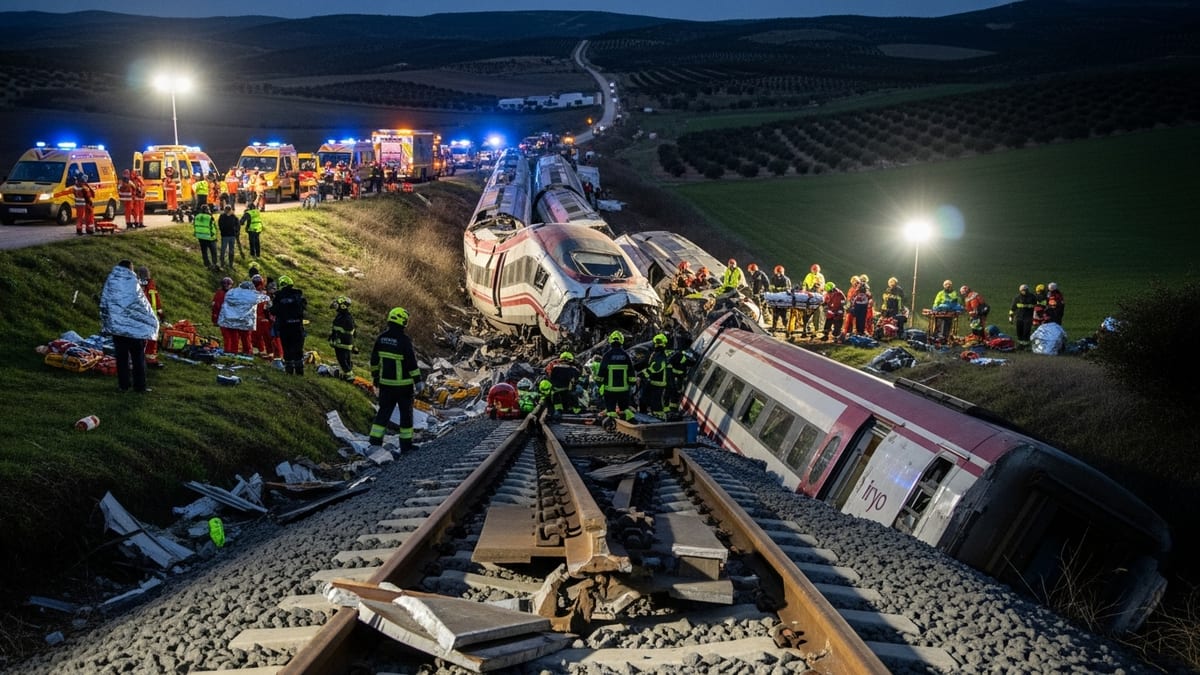
Midday collision near Fannin and San Jacinto
Publicly available information indicates the collision occurred shortly after midday near the intersection of Fannin Street and San Jacinto Street, a stretch of track that carries METRORail’s Red Line between downtown and the Texas Medical Center. Initial reports describe a Houston Fire Department unit traveling through the area when it made contact with a southbound train, causing visible damage to both vehicles and shattering some railcar windows.
Local outlets report that several rail passengers were evaluated at the scene, with at least three people transported to hospitals for further assessment. Early information suggests that most injuries were described as non-life-threatening, though full medical details have not been released. The operator of the train and personnel in the fire vehicle were also assessed after the impact.
The crash took place in a corridor where trains share space with dense vehicle traffic, pedestrians, and frequent emergency responses serving nearby hospitals, residential towers, and office buildings. Witness accounts gathered in published coverage describe a chaotic scene immediately after the collision as bystanders moved away from the intersection and emergency crews converged to secure the area.
Service disruptions on the METRORail Red Line
According to transit updates referenced in local reporting, service on at least part of the Red Line was temporarily suspended or rerouted after the crash while crews inspected tracks, overhead power systems, and the condition of the train. Shuttle buses were used to move riders around the affected area, contributing to slower trips during an already busy afternoon travel period.
Photos and video captured by passersby and shared with news outlets show the train stopped in the intersection, with the Houston Fire vehicle positioned nearby and debris visible on the pavement. Rail personnel and first responders could be seen walking the length of the train to check on passengers and inspect the exterior of the cars.
The incident added strain to an afternoon in which central Houston was already experiencing heavy congestion. Drivers approaching Midtown encountered blocked lanes and rerouted traffic along segments of Fannin and neighboring streets, and some signals were placed on flash while the scene remained active.
Second METRORail crash with fire vehicle this month
The Midtown collision follows an earlier crash in early July in which a METRORail train and a Houston Fire Department engine collided in the Near Northside neighborhood, leading to at least one hospitalization and a brief derailment, according to previous coverage by local broadcasters. In that case, the light rail vehicle left the tracks after being struck, underscoring the vulnerability of street-running rail systems in complex intersections.
With Friday’s crash, Houston has now seen at least two reported incidents this month involving the city’s fire fleet and METRORail trains in different parts of the network. Publicly available information shows that both occurred at surface-level crossings where emergency vehicles must navigate around other traffic, signals, and rail infrastructure while responding to calls.
The quick succession of crashes is prompting new questions in local discussions about whether additional safeguards or revised protocols are needed when emergency vehicles move through light rail corridors. Commenters in published analyses have pointed to factors such as signal timing, sight lines, and driver expectations around trains that operate at street level and share intersections with other road users.
Safety record and design challenges for Houston’s light rail
Houston’s METRORail system, which began service in 2004, operates largely at grade through downtown and Midtown, running along or across several of the city’s busiest streets. Transportation specialists have long noted that street-running light rail can face higher exposure to conflicts with vehicles and pedestrians compared with fully separated systems, particularly at complex junctions and in districts where emergency traffic is frequent.
Past reporting on METRORail has highlighted a history of collisions involving cars, trucks, and occasionally emergency vehicles at intersections where drivers misjudge train speed or attempt to clear the tracks on changing signals. While most of those incidents have not resulted in major casualties, they have contributed to recurring calls for clearer markings, improved driver education, and, in some cases, physical changes to intersections.
According to publicly available safety data and prior transportation studies, common risk factors for crashes at rail intersections include red-light violations, turns across tracks, and vehicles blocking rail lanes while waiting to complete a maneuver. Emergency responses add another layer of complexity, as fire and medical units may need to move quickly through congested streets that also carry frequent rail service.
Ongoing reviews and community concerns
In the wake of Friday’s collision, transit and city observers expect a detailed review of how the crash unfolded and whether any technical or procedural changes could reduce the likelihood of similar events. Published coverage indicates that investigators are typically tasked with reviewing camera footage from the train, signal timing logs, and statements from those involved, as well as examining any damage to braking or communication systems.
Houston residents and commuters who rely on METRORail for access to the Texas Medical Center, downtown jobs, and Midtown destinations are closely watching how long any residual disruptions may last and whether longer-term safety measures will follow. Comment threads and opinion pieces reacting to this and earlier incidents this month frequently emphasize the importance of both reliable emergency response and dependable transit service in a fast-growing city.
As more information becomes publicly available about the Midtown collision, attention is likely to focus on the specific circumstances at the Fannin and San Jacinto intersection and whether adjustments to signals, signage, or operating practices might mitigate future risk. For now, the crash stands as another reminder of the delicate balance required when light rail trains, emergency vehicles, and everyday traffic intersect in the heart of Houston.