


More news on this day
A 35-year-old woman was killed late Tuesday, July 14, 2026, after being struck by a freight train on railroad tracks near Brown Road in Las Cruces, New Mexico, in an incident that is drawing renewed attention to pedestrian safety around active rail lines.
Get the latest news straight to your inbox!
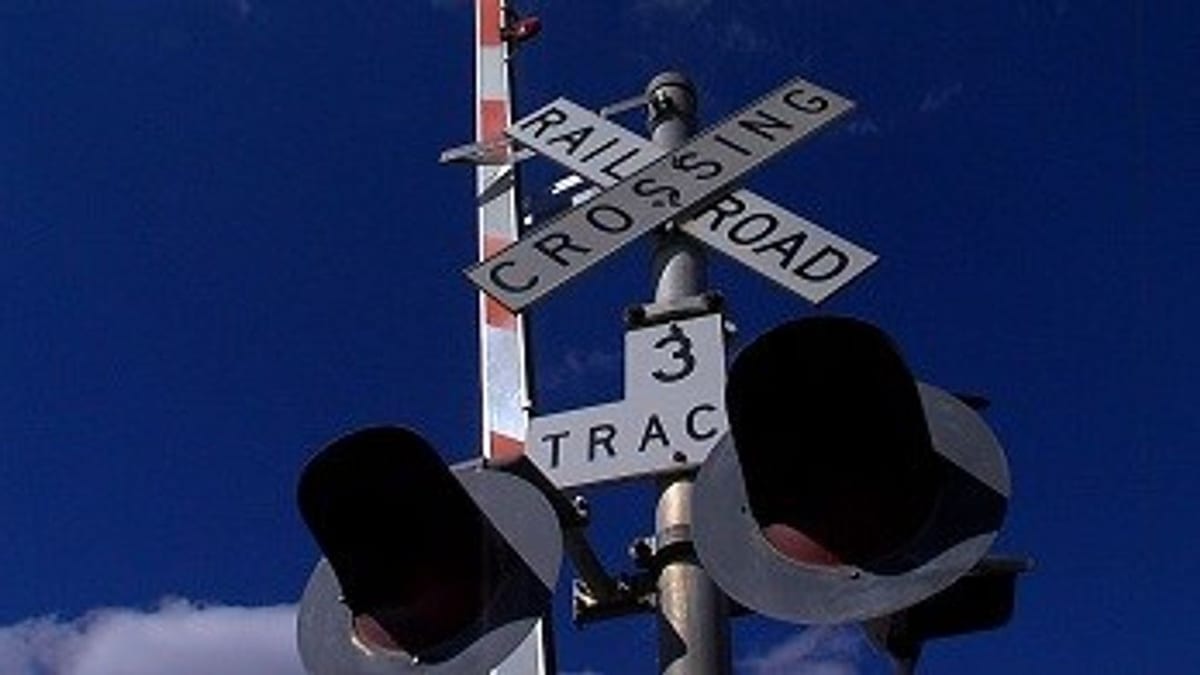
Fatal collision on tracks used by BNSF freight trains
Publicly available information from the City of Las Cruces indicates that the collision occurred late in the evening when a southbound BNSF freight train encountered a pedestrian walking along the tracks near Brown Road. The woman, reported to be 35 years old, was struck as the train moved through the area and died as a result of her injuries.
Reports indicate that emergency responders were dispatched to the scene shortly before midnight, with the location identified along a segment of track that cuts through a mixed residential and commercial corridor on the city’s west side. Initial summaries describe the event as a train versus pedestrian fatality, with no injuries reported among train crew members.
According to published coverage, the woman’s identity had not been publicly released in the immediate aftermath of the collision, pending notification of relatives. The circumstances that led her to be on or near the tracks remain the focus of an ongoing review, and no determination has been released regarding whether impairment, distraction, or other factors may have played a role.
The tracks where the collision occurred carry regular freight movements through Las Cruces, connecting to broader regional and interstate rail corridors. Trains in this area are typically long and heavy, with stopping distances that extend far beyond what most roadway users might expect from a vehicle.
Rail corridor near Brown Road raises safety questions
The Brown Road corridor in Las Cruces features housing, small businesses, and light industrial activity situated close to the rail line, creating a zone where daily life takes place in proximity to moving trains. Satellite imagery and local descriptions show limited physical barriers along some portions of the track, which may make informal crossings or trackside walking more likely.
Rail safety specialists commonly describe walking along or across tracks outside of designated crossings as one of the highest risk behaviors near trains, given the quiet approach of some modern locomotives and the curvature of tracks that can limit sightlines. Published guidance from rail and transportation agencies stresses that pedestrians often underestimate train speed and overestimate the time they have to move clear.
In New Mexico communities such as Las Cruces, rail lines can bisect neighborhoods, encouraging residents to create informal paths where few official crossings exist. Transportation planning documents and crash hotspot analyses for the state highlight that pedestrian exposure to rail and high-speed traffic often clusters in corridors where infrastructure has not kept pace with growing populations.
The fatal collision near Brown Road adds to broader concerns about pedestrian risk around transportation infrastructure in and around Las Cruces. Previous public reports about crashes involving walkers and cyclists in the region have prompted calls for improved lighting, more visible warnings, and better separation between people on foot and fast-moving vehicles.
National context of pedestrian fatalities involving trains
Across the United States, hundreds of people are killed each year in incidents involving trains and pedestrians, according to transportation safety data. These fatalities frequently occur away from formal highway-rail crossings, in locations where individuals are walking along the right-of-way, using the tracks as a shortcut, or lingering in areas not intended for public access.
Analyses of prior train-pedestrian incidents have shown that, even at moderate speeds, freight and passenger trains require substantial distance to stop once an engineer applies emergency braking. The length and weight of a modern freight consist can make it nearly impossible to avoid a collision if a person is already on the tracks when the train comes into view.
Many rail safety campaigns have focused on educating the public that tracks are private property and that trains can extend beyond the width of the rails themselves, posing additional hazards to anyone walking close by. Advocacy groups emphasize that quiet zones, headphones, nighttime conditions, and curves in the track can all reduce a person’s ability to detect an oncoming train.
The Las Cruces fatality reflects patterns seen nationwide, in which individual tragedies along local rail lines also underscore systemic questions about public awareness, enforcement of trespassing rules, and the design of crossings and corridors that intersect with community life.
Impacts on train operations and local travel
Published coverage of similar incidents indicates that collisions between trains and pedestrians frequently result in extended delays while investigators document the scene and rail operators inspect equipment. In the Las Cruces case, the southbound BNSF train involved in the Brown Road collision would likely have remained in place for an extended period, affecting freight timetables along the route.
Such incidents can temporarily disrupt nearby road traffic as well, as emergency vehicles, rail personnel, and other responders require access to trackside areas. Crossings in the immediate vicinity may be blocked, complicating movement for drivers, cyclists, and pedestrians who rely on a small number of east-west or north-south routes across the tracks.
For rail staff and first responders, fatalities on the tracks are widely described in professional literature as among the most emotionally challenging events encountered on the job. In many communities, local agencies and rail companies have established protocols to provide support and debriefing for those directly involved.
Travelers passing through the region, whether by rail or road, may not immediately connect delays or blocked crossings with a serious incident. However, transportation reporting makes clear that when trains stop unexpectedly along a corridor, a collision or medical emergency on or near the tracks is often the cause.
Rail safety reminders for residents and visitors
In the wake of the woman’s death near Brown Road, the Las Cruces incident serves as a reminder of the importance of avoiding active tracks except at designated crossings. Public safety campaigns consistently stress that individuals should never walk along rails, attempt to use them as a path, or assume that a train schedule is predictable enough to safely time a crossing.
Travel and transportation agencies advise that anyone needing to cross rail lines should do so only where signs, pavement markings, or pedestrian facilities indicate a formal crossing. Even where train movements seem infrequent, freight services can run at all hours, including late at night and early in the morning, when visibility may be reduced.
For visitors unfamiliar with Las Cruces, the city’s rail lines may appear as part of a broader desert landscape, but they remain fully active freight corridors. Travelers staying in nearby accommodations, driving rental vehicles, or exploring neighborhoods on foot are encouraged by safety advocates to treat all track areas as dangerous and off-limits.
While the full circumstances surrounding the Brown Road collision are still being pieced together from public information, the fatal outcome underscores how little margin for error exists near fast-moving trains. For residents and travelers alike, the Las Cruces case adds weight to long-standing advice to stay clear of tracks, obey all rail warnings, and prioritize safer, designated routes when moving around the city.