


More news on this day
Marriott International is edging toward a historic threshold of 10,000 properties worldwide, capping several years of rapid expansion, brand diversification and record development activity across its global portfolio.
Get the latest news straight to your inbox!
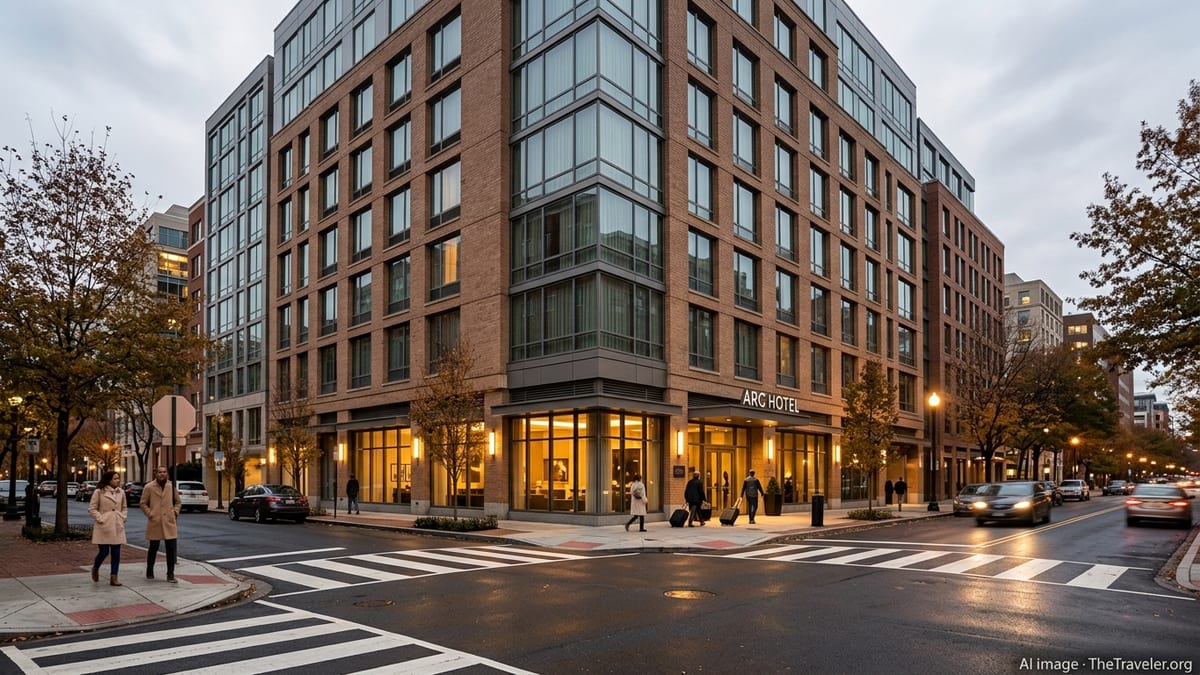
Rapid Growth Pushes Marriott Toward Historic Scale
Publicly available filings and corporate disclosures show that Marriott ended 2024 with more than 9,300 properties worldwide and accelerated that trajectory in 2025, adding over 700 hotels and nearly 100,000 rooms to its system. By the close of 2025, reports indicate that Marriott’s global portfolio comprised more than 9,800 properties and approximately 1.78 million rooms spread across 145 countries and territories.
Industry coverage of the company’s 2025 performance describes the year as a defining period, with net rooms growth of more than 4 percent and a record level of gross openings. The pace places Marriott within striking distance of the 10,000-property mark as it moves through 2026, a symbolic milestone that would underscore the group’s position among the world’s largest hotel companies.
Recent first quarter 2026 results point to continued momentum, with additional properties joining the system and a pipeline that remains near record levels. Analysts note that this growth is being achieved while Marriott focuses largely on management and franchise contracts rather than owning real estate directly, a model that has allowed the company to scale rapidly with comparatively asset-light risk.
Hospitality sector observers suggest that crossing the 10,000-property threshold would carry more than symbolic weight, reinforcing Marriott’s negotiating power with owners, developers and distribution partners, as well as giving travelers a wider choice of brands and locations across price segments.
Brand Portfolio Drives Expansion Across Segments
Marriott’s march toward 10,000 properties has been propelled by an expansive brand portfolio that now spans luxury, premium, select service, extended stay and branded residences. Public information indicates that the group has leaned on both established flags such as Marriott Hotels, Sheraton, Courtyard and Residence Inn and newer lifestyle offerings to appeal to a broad mix of travelers.
In recent years, the company has pursued growth through conversions and new-builds, bringing independent properties and competitor-branded hotels into its system. According to published summaries of its 2024 and 2025 development activity, a substantial share of signings came from hotels changing flags, highlighting the appeal of Marriott’s distribution platform and loyalty program to owners seeking higher visibility and revenue potential.
Luxury and lifestyle brands have played an outsized role in international growth. Reports on Marriott’s development pipeline point to strong activity for banners such as The Ritz Carlton, St. Regis, W Hotels, Edition and The Luxury Collection, particularly in gateway cities and high-end resort markets. At the same time, select service brands and midscale concepts have driven rapid expansion in secondary and tertiary markets, especially in the Americas and Asia.
The breadth of the brand portfolio has enabled Marriott to tailor offerings to local market conditions while maintaining global standards for design and service. For travelers, the nearing of the 10,000-property milestone translates into a denser network of hotels where points can be earned and redeemed, often in locations that previously lacked an international flag.
Regional Highlights From the Americas to Asia Pacific
Regionally, public disclosures show that the United States and Canada remain Marriott’s largest market, with more than 6,300 properties and over 1 million rooms at the end of 2024. Growth in this region has continued through a mix of new-build hotels in high-growth metropolitan areas and conversions in suburban and roadside locations, particularly under select service and extended stay brands.
International markets, however, are increasingly central to Marriott’s march toward 10,000 properties. Company data and industry analyses indicate that more than 40 percent of the global development pipeline now sits outside North America, with strong contributions from Europe, the Middle East and Africa, as well as Asia Pacific. Countries such as China, India, Saudi Arabia and the United Arab Emirates feature prominently in long term growth plans.
New signings and openings in Latin America and the Caribbean have also been notable, aided by the integration and expansion of regional brands and midscale offerings. Coverage from trade publications highlights the role of City Express by Marriott in broadening access in Mexico and other parts of the region, bringing branded options to fast growing secondary cities.
Observers point out that this diversified geographic footprint helps balance Marriott’s exposure to individual markets and economic cycles. As travel patterns continue to evolve, the company’s ability to shift focus among regions while maintaining a unified loyalty and distribution platform is seen as a key factor supporting its expansion toward and beyond the 10,000 property benchmark.
Record Pipeline Signals Continued Expansion Ahead
Even as Marriott approaches 10,000 operating properties, its future growth engine appears firmly in place. Publicly available information on the company’s development pipeline indicates that it ended 2025 with approximately 610,000 rooms under development across more than 4,000 properties worldwide, a record level for the group.
Reports note that the pipeline is weighted toward higher growth international markets and includes a significant number of luxury, lifestyle and resort projects. At the same time, a large base of select service and midscale hotels remains in progress, particularly in North America and key markets in Asia and Latin America, suggesting that Marriott aims to preserve a balance between aspirational and everyday travel offerings.
Industry analysts interpret this pipeline as a signal that the company’s system size will continue to expand steadily in the coming years, even after the 10,000-property mark is surpassed. Development timelines, local permitting conditions and financing environments can affect the pace of openings, but the breadth of geographies and partners involved helps mitigate project specific delays.
For travelers and the wider tourism sector, Marriott’s scale up has implications that extend beyond the company itself. A larger global footprint can support increased air capacity, infrastructure investment and job creation in destination communities, while intensifying competition among hotel groups to differentiate through design, technology and guest experience. As Marriott closes in on 10,000 properties, the milestone is being closely watched as a barometer of both the company’s strength and the broader recovery and transformation of global travel.