


More news on this day
Travellers at Split Airport in Croatia faced major disruption today as 63 delayed flights and four cancellations involving easyJet, Lufthansa, KLM, Eurowings and other carriers severed or severely disrupted links to London, Frankfurt, Amsterdam and several other European hubs.
Get the latest news straight to your inbox!
Wave of Disruption Hits Key European Routes
Publicly available operational data and industry reports indicate that Split Airport, a key entry point to Croatia’s Adriatic coast, experienced an intense wave of disruption, with dozens of flights running late and several services cancelled outright. The impact has been felt most sharply on routes connecting Split with major hubs including London, Frankfurt and Amsterdam, where delays quickly cascaded across airline networks.
Schedules show that services operated or marketed by easyJet, Lufthansa, KLM, Eurowings and partner airlines bore the brunt of the disruption. Delays ranged from minor schedule slips to hold ups of several hours, while four flights were removed from the timetable, leaving passengers to seek last minute rebookings or overnight accommodation.
The concentration of problems on hub routes is especially significant because these services act as feeders for long haul connections. When departures to cities such as London, Frankfurt and Amsterdam are delayed or cancelled, travellers can lose onward flights to North America, Asia and other parts of Europe, turning a regional bottleneck into a much wider travel headache.
Operational snapshots of Split’s departures and arrivals boards showed a succession of late services alongside a handful of outright cancellations, underlining how a relatively small number of missing flights can still cause hundreds of travellers to become stranded or significantly delayed.
Airlines Affected: easyJet, Lufthansa, KLM, Eurowings and Others
The day’s disruption has hit a mix of low cost and network carriers. easyJet, currently one of Europe’s largest short haul operators, saw multiple flights from Split to London and other UK cities pushed back, with departure times sliding well beyond their scheduled slots. For point to point leisure travellers heading home from the Dalmatian coast, these delays translated into late night arrivals or missed ground transport connections.
Lufthansa and its partners were affected on services linking Split with Frankfurt and other German destinations. Frankfurt’s role as a major transfer hub means relatively small schedule changes on Split departures can leave connecting passengers racing through terminals or facing missed onward flights. Some Lufthansa linked operations were removed from the day’s schedule, contributing directly to the tally of four cancellations.
KLM’s Amsterdam services from Split also encountered disruption. Amsterdam is another key European transfer point, and late departures from Croatia risked inbound passengers missing connections to destinations across northern Europe and beyond. Eurowings, which has grown its presence in leisure markets across the Adriatic region, recorded several delayed operations, reflecting how even modest schedule shifts can ripple through an airline’s daily rotation when aircraft are planned tightly.
Other European carriers with a presence at Split, including regional and charter airlines, were indirectly affected as congestion on runways, stands and airspace fed into turnaround times. With summer demand running high, there is often limited slack in the schedule to recover once the operation begins to slip behind.
Knock On Effects for Passengers and Summer Travel Plans
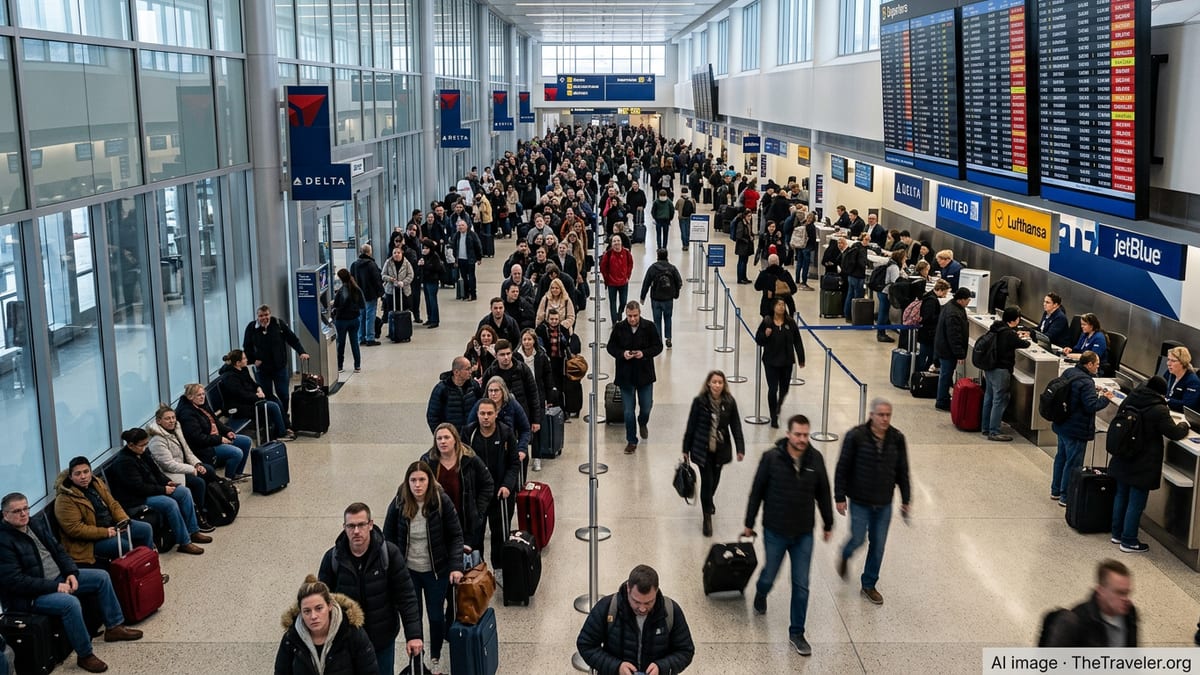
For travellers on the ground at Split, the disruption translated into crowded departure halls, long queues at service desks and repeated schedule updates on airport information screens. Families returning from holidays, cruise passengers making tight connections and business travellers alike faced extended waiting times as departure estimates were revised.
When flights are significantly delayed or cancelled, standard industry practice is to offer rebooking options, vouchers or, in some cases, hotel accommodation. However, during peak summer periods when aircraft are already heavily booked, finding spare seats on alternative services can be difficult. This can lead to travellers remaining in the city overnight or rerouting via less direct paths, adding further time and complexity to already disrupted journeys.
Travel rights frameworks in the European Union and United Kingdom set out entitlements for passengers experiencing severe delays or cancellations, depending on the length of delay, distance of the route and reason for disruption. Consumer advocacy resources note that compensation and assistance may be available in certain circumstances, although accessing these benefits can involve filing claims and providing detailed documentation of the disruption.
The timing of the incident, aligning with the busy European summer season, underscores the vulnerability of popular holiday gateways such as Split to concentrated periods of operational stress. When visitor numbers surge and aircraft schedules are tightly packed, any setback can quickly escalate into a broader wave of delays.
Wider European Pattern of Summer Air Travel Strain
The situation at Split fits into a wider pattern of strain across Europe’s air travel system during summer 2026. Recent public reports highlight that major hubs like Amsterdam and Rome have already experienced significant days of disruption this month, with hundreds of delayed flights and multiple cancellations affecting a broad range of airlines.
Industry analyses attribute these recurring disruptions to a combination of factors, including congested airspace, staffing constraints, tight aircraft rotations and occasional weather or technical issues at key airports. When one element falters, airlines can struggle to reposition aircraft and crews quickly enough to keep schedules intact, particularly on short haul networks where aircraft fly multiple sectors per day.
Operational data and aviation monitoring publications show that carriers such as easyJet, Lufthansa, KLM and Eurowings are operating at or near pre pandemic capacity on many European routes. Rising demand for leisure travel to coastal destinations in Croatia, Italy, Spain and Greece is pushing some airports close to their practical limits during peak hours, slowing down turnaround processes and increasing the risk of knock on delays.
The concentration of today’s problems at Split, with 63 delayed services and four cancellations, therefore appears to be part of a broader seasonal pattern in which localized disruption at one airport can send ripples across airline networks and international itineraries.
Advice for Travellers Using Split and Other Busy Hubs
Travel industry guidance suggests that passengers planning to use Split and other popular Mediterranean airports in the coming weeks should build extra flexibility into their itineraries. Allowing longer connection times, avoiding the tightest possible transfers through hubs like London, Frankfurt and Amsterdam, and considering early morning departures, when operations are often more stable, can all reduce exposure to disruption.
Passengers are also encouraged by consumer organisations to monitor flight status closely on the day of travel using airline apps and airport information pages, and to ensure contact details in airline bookings are up to date so that rebooking options can be communicated quickly if schedules change. Keeping records of boarding passes, receipts and delay timings can help if travellers later decide to pursue compensation or reimbursement.
For those already caught up in today’s disruption at Split, the immediate focus will be on securing alternative arrangements and reaching their final destinations. As airlines work through the backlog of delayed departures and reposition aircraft, operations typically stabilise, but residual delays can persist into the following day as schedules are realigned.
The events at Split highlight how quickly conditions can change at busy European airports during peak season. With more high demand travel days ahead, aviation observers expect that maintaining resilience in the system will remain a central challenge for airlines, airport operators and network planners throughout the summer.