


More news on this day
Hundreds of travelers were left isolated in terminals on July 13 as a wave of disruptions swept through Paris Charles de Gaulle and Nice Côte d’Azur airports, with more than 500 delays and at least a dozen cancellations affecting peak summer holiday traffic across France.
Get the latest news straight to your inbox!
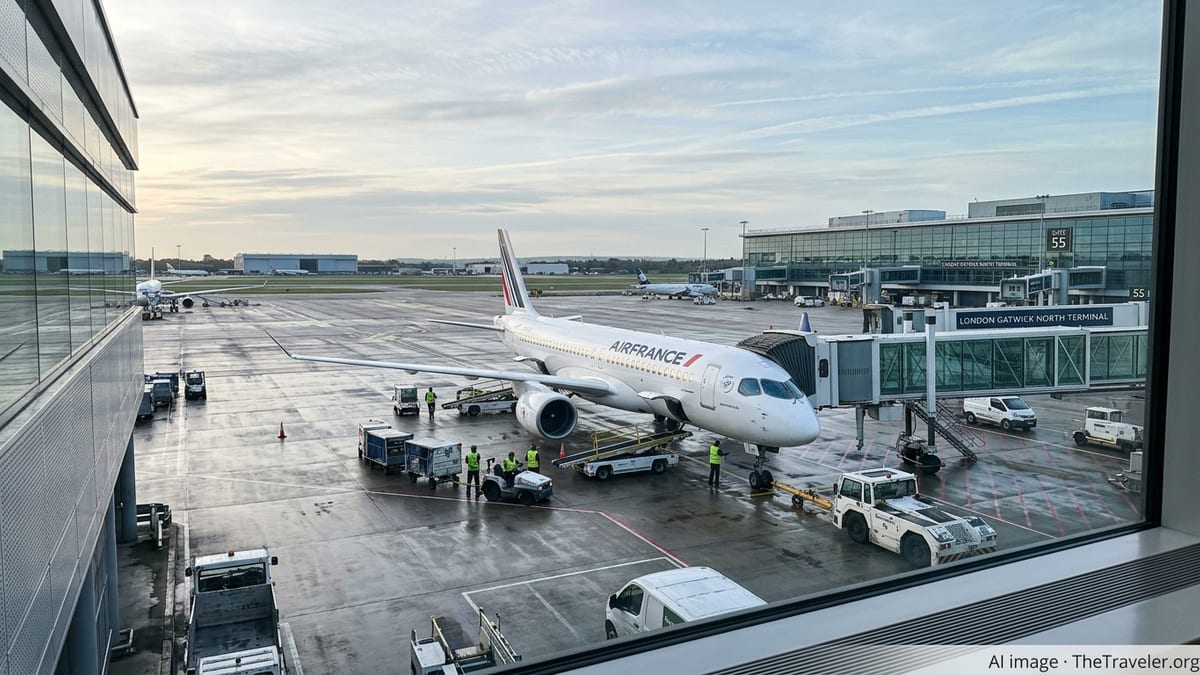
Severe Operational Strain at France’s Busiest Hubs
Publicly available flight-tracking data for July 13 shows an exceptionally heavy day of disruption across the French network, with Charles de Gaulle outside Paris and Nice Côte d’Azur on the Mediterranean among the hardest hit. Aggregated tallies indicate about 508 delayed departures and arrivals and 13 outright cancellations at the two airports, creating widespread knock-on effects across Europe and beyond.
The disruption comes at the height of the summer getaway period, when both airports are operating near or at capacity. Charles de Gaulle is one of Europe’s main long haul gateways, while Nice is a key entry point for holiday traffic to the French Riviera. With delays accumulating through the day, later departures were increasingly pushed back, extending the impact well into the evening schedules.
Monitoring platforms that track real time performance at Charles de Gaulle reported a steady build up of late flights throughout Monday, with some services departing more than an hour behind schedule. Separate listings for Nice showed similar patterns, especially on European routes linking the airport to major hubs such as Munich and other cities served by large network carriers.
While individual flights continued to operate, the volume of affected services meant terminals grew crowded, with many passengers forced to wait in airside areas for new departure slots or replacement connections after missed links.
Major Airlines Face Cascading Delays
Published schedules and live trackers indicate that the disruption struck a wide range of carriers, from large European network airlines to low cost and regional operators. Services involving major brands such as Air France, Lufthansa, easyJet and United Airlines were among those showing delays or irregular operations between Paris, Nice and onward destinations.
At Nice Côte d’Azur, for example, real time tracking showed certain European services, including a Lufthansa link to Munich, operating off their planned times. Long haul connections were also vulnerable, with transatlantic flights such as United’s scheduled service between Nice and Washington subject to extended waiting periods or re-timed departures.
From Paris Charles de Gaulle, both domestic and international routes experienced knock on effects. Some intra European services that feed larger hubs reported delayed departures from the capital, while regional links to French cities such as Marseille also showed altered timings. On a busy mid July Monday, even relatively small shifts in departure times can swiftly cascade, leaving aircraft and crews out of position for subsequent rotations.
The breadth of carriers and routes involved suggests a combination of network wide pressures rather than isolated operational issues at any single airline, amplifying the impact on travelers trying to make tight connections or same day returns.
Heat, Congestion and Structural Pressures
The disruptions are unfolding against a challenging backdrop for French transport this summer. Weather data and domestic media coverage point to persistent high temperatures across much of the country, with recent heatwaves pushing thermometers well above seasonal norms and placing additional strain on infrastructure and staffing.
Airports have been handling strong passenger volumes as travelers return to traditional July and August holiday patterns. Network planning documents for Europe already highlight congestion at major hubs such as Paris Charles de Gaulle, where demand often presses against available runway and airspace capacity. On peak days, even relatively minor hold ups can quickly translate into extensive queues for take off and landing slots.
In addition to capacity constraints, the broader European network remains sensitive to localized disruptions such as storms, staffing gaps or air traffic control limitations. Recent months have seen repeated episodes in which French airspace restrictions or industrial actions have forced airlines to adjust schedules, contributing to a pattern of periodic delays and cancellations that can resurface on particularly busy days.
Travel data from earlier in the summer has also shown that passengers increasingly adjust their behavior in response to heat and disruption, sometimes compressing travel into particular windows and further intensifying pressure on airports during key weekends and holiday changeover days.
Travelers Stranded, Rights and Options in Focus
The cumulative effect of more than 500 delays and a cluster of cancellations left hundreds of travelers effectively isolated inside secure areas at Charles de Gaulle and Nice, particularly those already past border control or exit formalities. Once passengers have cleared outbound checks, options to leave the terminal can become limited, especially late in the evening when ground transport and accommodation choices are reduced.
Accounts shared on social and community platforms in recent months have highlighted how passengers at these French airports can find themselves waiting for hours with limited information when flights are heavily delayed or called off at short notice. When irregular operations occur during peak tourist periods, airport facilities such as seating, food outlets and customer service desks can come under visible strain.
The latest wave of disruption is likely to renew attention on passenger protections under European rules. Under the EU’s air passenger rights regulation, travelers departing from an EU airport or flying with an EU carrier may be entitled to assistance, rerouting and financial compensation in certain circumstances when delays or cancellations meet defined thresholds, unless airlines can point to extraordinary conditions outside their control.
Consumer advocates typically encourage affected passengers to retain boarding passes, confirmation emails and any written information about the cause of disruption, then submit claims directly to airlines or through dedicated claims channels once their journeys are complete. For those stuck in terminals for many hours, receipts for food, drinks and hotel stays can be important for later reimbursement requests, depending on the circumstances of the disruption.
What Summer Travelers Through France Should Expect
The situation at Charles de Gaulle and Nice Côte d’Azur illustrates how quickly conditions can deteriorate on busy summer days, even without a single headline triggering event. For upcoming travelers, industry observers suggest treating published departure times as subject to change and planning with additional buffers where possible.
Passengers connecting through Paris or Nice on the way to long haul destinations may wish to consider longer minimum connection times than the automatic options sometimes provided by booking systems. Allowing extra hours between flights can reduce the risk of misconnecting if earlier legs are significantly delayed.
Travelers are also widely advised to monitor their flight status directly with airlines and via flight tracking platforms on the day of departure, as schedules can shift multiple times before boarding begins. Registering for text or app notifications can provide earlier warning of gate changes or rolling delays that may not immediately appear on physical departure boards.
With French airports facing an intense high season, publicly available data and recent patterns indicate that further days of heavy congestion and irregular operations are likely. For those transiting through Charles de Gaulle or Nice in the coming weeks, preparation, flexibility and awareness of passenger rights remain essential tools for managing the risk of being caught in another wave of delays or cancellations.