


More news on this day
Air travelers across the United States faced widespread disruption on 14 May 2026, as a wave of delays and cancellations rippled through major hubs including Boston, Los Angeles, San Francisco, Phoenix, Washington D.C. and Seattle, affecting thousands of passengers and multiple airlines.
Get the latest news straight to your inbox!
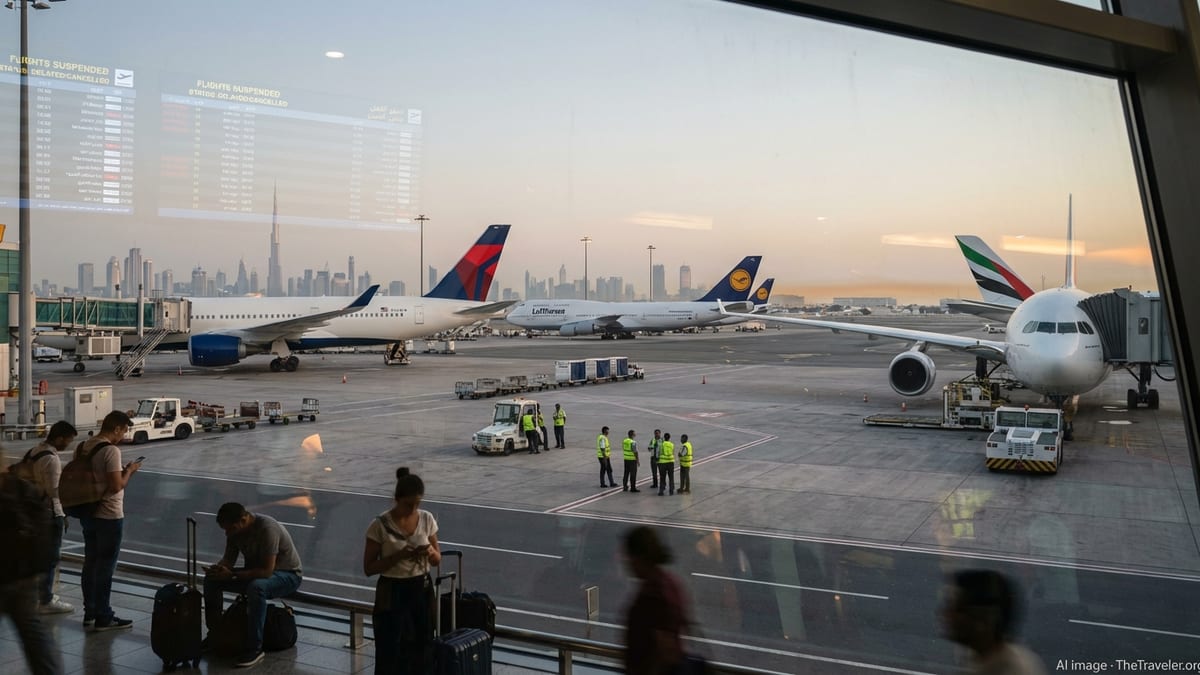
Coast to Coast Delays Snarl Schedules
Publicly available data for 14 May indicates that U.S. carriers and airports collectively recorded roughly 2,359 delayed flights and at least 90 cancellations by later in the day, turning routine weekday travel into a logistical challenge for many passengers. While disruptions were spread nationwide, several of the most affected airports included Boston Logan International, Los Angeles International, San Francisco International, Phoenix Sky Harbor, Washington National and Dulles, and Seattle-Tacoma International.
Operational statistics compiled by flight disruption trackers and passenger rights platforms show that Los Angeles and San Francisco were among the busiest and most impacted hubs, with knock-on delays building through the afternoon and evening periods. Seattle and Boston also experienced mounting departure and arrival holds as carriers attempted to reset aircraft rotations and crew assignments.
The combined effect was felt throughout the domestic network. With key coastal hubs operating off-schedule, secondary airports and smaller regional fields saw inbound and outbound flights shift later into the day, creating missed connections and extended time on the ground for travelers trying to move between regions.
Major Carriers Among Those Most Affected
Published coverage of flight performance on 14 May highlights that large U.S. airlines bore a significant share of the delays and cancellations. Reports show American Airlines and Southwest Airlines each accounting for several hundred delayed departures nationwide by midday, with United Airlines also managing a high volume of disruptions and a notable number of cancellations.
Alaska Airlines and Delta Air Lines, both with substantial operations along the West Coast and in Seattle, appeared among the carriers dealing with irregular operations as congestion and weather-related constraints accumulated. Alaska, which relies heavily on Seattle and San Francisco as key gateways, registered a cluster of cancellations alongside dozens of delayed departures, particularly on routes linking Pacific Northwest cities with California and the Southwest.
Tradewind Aviation, a smaller operator known for scheduled and charter services in select U.S. and Caribbean markets, was also listed among carriers experiencing cancellations. Although its total volume of flights is far lower than that of the large network airlines, any disruption on its limited schedules can significantly impact travelers who rely on specific connections or seasonal routes.
Weather, Congestion and Network Ripple Effects
While no single nationwide event has been identified as the sole cause of 14 May’s disruption, publicly accessible tracking platforms and aviation analysts point to a familiar combination of factors. Localized weather systems, particularly low clouds, storms and changing wind conditions near coastal hubs, contributed to spacing requirements on arrival and departure corridors, reducing capacity at several airports during peak times.
Congestion within terminal airspace and on taxiways further complicated the picture. As flights departed late from one hub, their arrivals were pushed back at the next, producing a rolling series of missed slots and gate conflicts. Airlines responded by holding aircraft on the ground, swapping equipment, and, in some cases, preemptively canceling flights to prevent cascading delays deep into the night.
These network ripple effects are especially acute on routes tying together large coastal cities such as Los Angeles, San Francisco, Seattle and Boston. Aircraft operating early morning sectors between these hubs feed into dense mid-day schedules that stretch across the country. When the first waves of flights encounter delays, the imbalance can spread rapidly, affecting passengers even in regions where local conditions appear calm and on time.
Impact on Passengers and Key Routes
For travelers, the immediate impact was felt in extended waits at gates, rebookings at customer service counters, and, in some cases, overnight stays after missed connections. Delays and cancellations involving Delta, Alaska Airlines and Southwest were particularly visible on heavily traveled domestic corridors, including links between the West Coast and major Midwest and East Coast cities.
Routes transiting through Seattle-Tacoma and San Francisco, both critical for traffic to and from the Pacific Northwest and California, saw schedules bunch up through the day, according to live status boards and flight tracking services. At Los Angeles International, earlier disruptions in the week, including a separate day with more than 150 delays, appeared to contribute to tighter operating margins that left little room to absorb further disturbances.
In Washington D.C., services at Ronald Reagan Washington National and Washington Dulles International recorded a mix of delayed arrivals and departures, which in turn affected connections to Phoenix and other Sun Belt destinations. Travelers connecting through these airports on Southwest and other carriers reported itineraries stretching several hours beyond their original schedules as aircraft arrived out of position from other disrupted hubs.
What Travelers Can Do on High-Disruption Days
Consumer advocacy and passenger rights organizations note that days like 14 May highlight the importance of proactive planning for air travel within the United States. When nationwide statistics show more than two thousand delays and dozens of cancellations, the likelihood of individual itineraries being affected increases sharply, particularly for connections that rely on busy transfer hubs such as Los Angeles, San Francisco, Seattle and Washington D.C.
Travel guidance drawn from recent disruptions emphasizes that passengers should monitor their flight status closely through airline channels on the day of travel, arrive at the airport with contingency time when connecting across coasts, and remain prepared for last-minute gate or schedule changes. On days with widespread disruptions, experts also point to the value of understanding each airline’s policies on rebooking, meal vouchers and overnight accommodations when delays or cancellations are within the carrier’s control.
As U.S. air travel demand continues to grow heading into the peak summer season, operational data from 14 May suggests that even routine weather patterns and localized constraints can quickly translate into hundreds of delays at major airports. For travelers on Delta, Alaska Airlines, Southwest, Tradewind and other carriers, staying informed and building flexibility into travel plans has become an increasingly important part of flying.