


More news on this day
Singapore residents returning from nearby Indonesian islands such as Batam and Bintan are reporting a new layer of travel stress, with accounts of common medication running low in local pharmacies and journeys home stretching to as long as 16 hours when ferry seats sell out.
Get the latest news straight to your inbox!
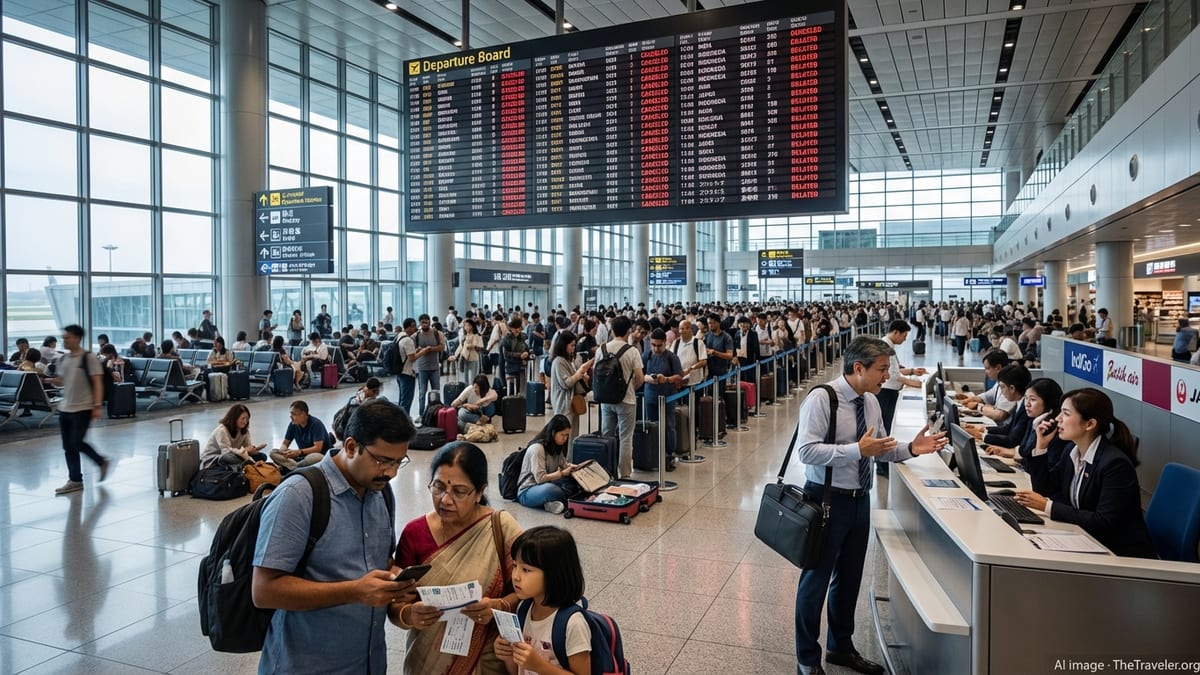
Short island breaks collide with longer, more complex returns
Batam and Bintan in Indonesia’s Riau Islands remain among the most popular short-haul escapes for Singapore residents, linked by frequent ferries and long marketed as convenient weekend beach and shopping destinations. Official traffic data from Batam’s main international ferry terminal shows more than 100 vessel movements a day on busy weekends, underscoring how important these routes have become for cross-border leisure travel between Indonesia, Singapore and Malaysia.
Yet travellers now describe a very different experience when demand peaks. Seats on direct ferries back to Singapore can sell out rapidly, especially around school holidays and public long weekends. Some passengers have reported having to route via Johor in Malaysia, or wait many hours for a late-night sailing, pushing total door-to-door travel times close to 16 hours for what is ordinarily a journey of just a few.
These extended itineraries can include early hotel check-outs, long waits at ferry terminals, overland transfers through Johor Bahru and late arrivals back in Singapore. For passengers who are older, travelling with children, or managing chronic health conditions, the combination of tight schedules and limited facilities in small terminals can significantly raise the level of travel fatigue and risk.
Medication access in focus amid reports of local shortages
At the same time, medication access has come under sharper scrutiny. Travellers returning from Batam and other nearby islands have posted online about difficulties finding familiar over-the-counter painkillers, cold remedies and gastrointestinal medicines at some local pharmacies, particularly during busy periods. Public health updates from local authorities in Batam point to ongoing checks on pharmacies and medicine shops, highlighting issues such as incomplete record-keeping, temperature monitoring lapses and licence irregularities, which can contribute to uneven availability on the ground.
Indonesia’s food and drug regulator has detailed recent enforcement and oversight measures in the Riau Islands, a region that handles significant volumes of pharmaceutical imports and distribution. These efforts aim to ensure quality and safety of medicines circulating in the archipelago, but they also underscore how supply chains remain sensitive to regulatory inspections, import procedures and demand spikes during holiday periods.
The result, according to publicly available coverage and traveller anecdotes, is that Singapore visitors cannot always assume they will find the same brands or even the same categories of medication they are used to at home. Language differences, unfamiliar packaging and varying dispensing practices can add another layer of uncertainty for travellers already coping with delays or long return journeys.
Singapore travel advisories urge self-sufficiency for medicines
Singapore public-sector health and foreign affairs portals have, in recent years, increased emphasis on self-sufficiency for travellers’ medical needs. Health guidance for overseas trips now stresses that travellers should prepare a personalised health kit containing any regular prescription drugs, as well as common items such as pain relief, fever medication and remedies for diarrhoea or motion sickness.
Official travel advice also recommends carrying enough medication to cover the entire trip with extra supplies in case of unexpected delays, as well as bringing either the original prescriptions or a medication list. The guidance is framed as relevant to any overseas destination, but it becomes particularly salient when travel disruptions, limited clinic hours or stock variations at pharmacies may leave travellers with few options if they run out of essential medicines.
In parallel, health authorities caution that some medications are controlled substances in Singapore and in foreign jurisdictions. Travellers are advised to confirm in advance that they can legally carry specific medicines across borders and, where necessary, obtain approvals from regulators. This is especially important along heavily used regional corridors such as Singapore to the Riau Islands and back, where customs and border checks are routine and drug laws are strict.
Infrastructure strains meet rising cross-border demand
The Riau Islands province, with Batam and Bintan as key gateways, sits at a strategic maritime crossroads between Indonesia, Singapore and Malaysia. Reports from local port authorities highlight both the rapid rebound in visitor arrivals and the pressure this places on ferry infrastructure, immigration counters and terminal services. Even with normal operations, high passenger volumes can quickly translate into long queues and sold-out sailings around weekends and public holidays.
Analysts who track regional tourism have noted that Southeast Asia’s short-haul routes have recovered strongly after the pandemic period, with Singapore residents once again seeking quick beach breaks and shopping trips in nearby destinations. This rebound has allowed local businesses in Batam and Bintan to benefit from renewed spending but has also exposed bottlenecks, from ticket pricing disputes to crowding at terminals.
In this context, the experiences of Singapore travellers making 16-hour journeys home, combined with worries about finding basic medicine when needed, illustrate how infrastructure and health-system frictions can intersect. For many, the attraction of a quick island escape lies precisely in its simplicity. When that promise is undermined by logistics and pharmacy uncertainty, it can change how repeat visitors plan and budget their trips.
What travellers are doing differently
Recent online travel discussions suggest that Singapore-based visitors are responding by planning further ahead and packing more extensively. Many travellers report booking ferry tickets both ways well in advance, and avoiding peak departure windows where possible. Some also describe carrying larger supplies of regular and over-the-counter medications, particularly for children or older family members, to avoid relying on unfamiliar brands overseas.
Travel health resources in Singapore point to a similar approach, recommending consultations four to six weeks before departure and encouraging travellers to prepare medical documentation and enough medication to last a full trip, with a buffer. This planning can help mitigate the impact of disrupted itineraries, long queues and unexpected overnight stays, particularly on routes that rely on limited ferry capacity rather than high-frequency flights.
For now, Batam and Bintan remain staple weekend options for Singapore residents. But as reports of medicine shortages and extended return journeys circulate more widely, the expectation of a straightforward hop across the water is giving way to a more cautious, contingency-based style of travel preparation.
Batam port operations and ferry traffic
Indonesia drug regulator overview for Batam and Riau Islands