


More news on this day
European tourism authorities are moving to harden Mediterranean beach destinations against climate-driven disasters, as a growing number of coastal hotspots secure formal recognition for tsunami, storm and wildfire preparedness.
Get the latest news straight to your inbox!
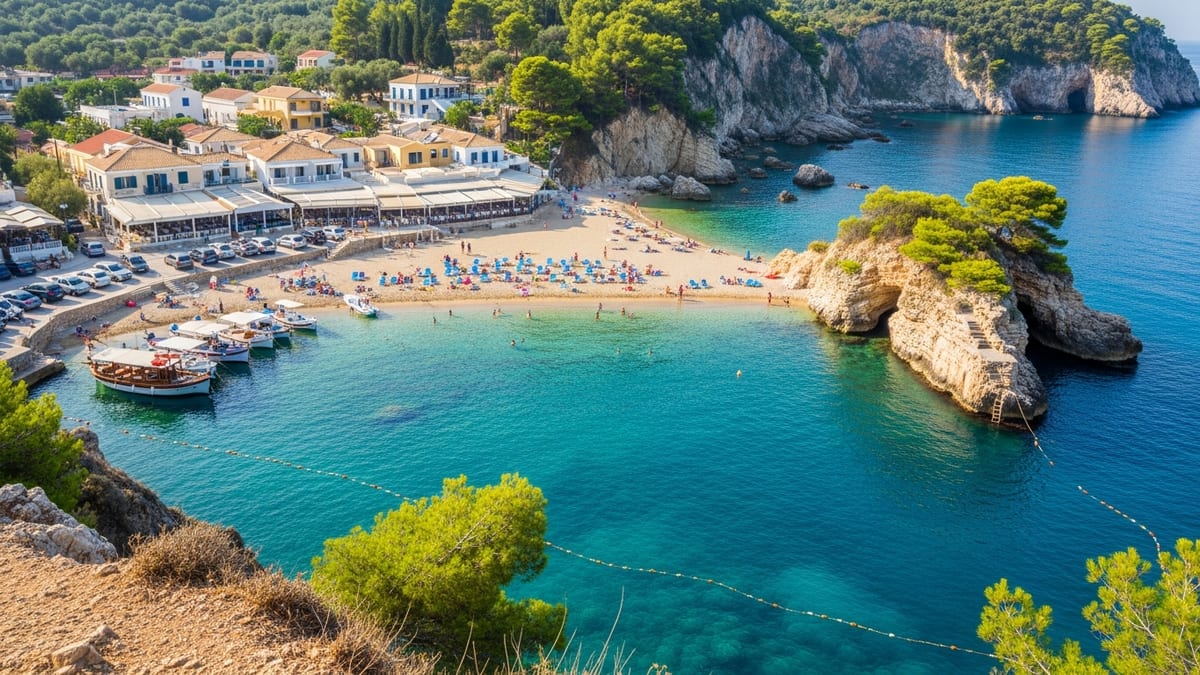
Coastal Tourism Rebound Drives Focus on Safety
Recent assessments of the European blue economy show that nights spent in EU coastal tourist accommodation have surpassed pre-pandemic levels, confirming a strong rebound for seaside destinations. This recovery has sharpened attention on the exposure of packed beaches, marinas and resort towns to extreme weather, wildfires and marine hazards tied to climate change.
Coastal tourism now represents a substantial share of value added and employment in Europe’s blue economy, according to European Commission data, reinforcing the need to protect visitors and local communities. Reports indicate that the sector’s rapid growth is unfolding alongside rising sea levels, coastal erosion and more frequent heatwaves across the Mediterranean basin.
Analyses published by European institutions and international organizations highlight that many of the fastest-growing tourism zones sit in high-risk coastal and island areas. Publicly available information shows that tourists, often unfamiliar with local risks, can be especially vulnerable during sudden-onset events such as flash floods, windstorms and wildfires, intensifying the pressure on destination managers to plan for disasters.
Against this backdrop, Mediterranean member states and regional bodies are accelerating safety upgrades, combining new early-warning technologies with evacuation planning, public information campaigns and cross-border emergency cooperation.
Mediterranean Cities Earn “Tsunami Ready” Recognition
One of the clearest examples of this shift is the spread of tsunami-preparedness benchmarks along Europe’s southern coasts. In 2026, the Nice Côte d’Azur metropolitan area on France’s Mediterranean shore received formal “Tsunami Ready” recognition under a program facilitated by the Intergovernmental Oceanographic Commission of UNESCO. The certification reflects detailed evacuation routes, signage, communication protocols and community drills tailored to a busy resort city.
Nice hosts millions of visitors each year and ranks among France’s leading tourism destinations, so its new status is being widely viewed as a test case for balancing mass tourism with coastal hazard management. Publicly available material on the program indicates that the city was required to map inundation zones, install public information boards and establish local governance frameworks that can interface with regional warning systems.
The recognition in Nice follows earlier pilot efforts in other parts of the Mediterranean and coincides with EU-funded initiatives such as CoastWAVE, which supports coastal communities in improving tsunami and storm surge readiness. These schemes are designed to dovetail with broader resilience agendas emerging from the European Ocean Pact and the EU’s forthcoming framework on climate resilience.
Destination managers in other tourist-heavy coastal cities are closely watching how “Tsunami Ready” and similar schemes influence traveler perceptions, insurance conditions and investment priorities. Industry observers note that disaster-readiness labels could soon sit alongside familiar environmental or quality badges in hotel marketing and destination branding.
EU Coastal Strategy Links Tourism and Disaster Resilience
At policy level, the European Commission has unveiled a new strategy on resilient, prosperous and liveable coastal communities, presented in 2026 as part of a wider European Ocean Pact. The strategy explicitly identifies tourism hubs as critical nodes in the coastal economy while also acknowledging their exposure to sea-level rise, erosion, floods and pollution.
Commission documents outline plans for a European framework for climate resilience that will factor future climate risks into tourism, infrastructure and investment decisions. According to the strategy text, advanced digital tools, including high-resolution climate and extreme weather “digital twins,” are expected to support coastal authorities in scenario planning and early warning for storms and heatwaves affecting popular resort areas.
Parallel studies on resilience and local economic development in EU coastal communities emphasize that heavy seasonal tourism can heighten socio-economic volatility and strain emergency systems. Researchers underline that climate impacts are already triggering economic losses in sectors such as accommodation and recreation, particularly when prolonged wildfires or storms disrupt key summer weeks.
Recent opinions from European advisory bodies on tourism policy call for disaster risk reduction to be systematically integrated into destination strategies, with a particular focus on Mediterranean coasts and islands. These texts stress that safety investments, from shaded refuges and cooling centers to firebreaks and flood defenses, should be treated as core tourism infrastructure rather than optional add-ons.
Projects Train Destinations to Become Disaster-Ready
On the ground, new multi-country projects are working with Mediterranean destinations to reduce climate and disaster risks tied to tourism. One example is the RETES project, launched in 2026 by partners from Italy, Cyprus, Greece, Spain and Montenegro. According to project documentation, RETES focuses on building skills in tourism businesses and local authorities to prepare for wildfires, floods, heatwaves and other climate-related emergencies.
The initiative develops vocational training modules, digital learning tools and micro-credentials aimed at hotel staff, tour operators and destination managers. Participants are trained to interpret risk forecasts, coordinate with civil protection services and communicate safety information to visitors before and during peak season.
Further south and east, the Blue Tourism Initiative and related Mediterranean programs are testing visitor management and governance models in sensitive coastal ecosystems. Meeting notes and conference material from recent gatherings in Barcelona describe pilot actions such as controlled access to fragile beaches, emergency-friendly trail design and the integration of biodiversity and hazard data into tourism planning.
These efforts complement long-standing work by regional maritime safety centers and marine environment associations, which assist coastal states in strengthening preparedness for oil spills and ship-related pollution incidents that could affect resort communities.
From Heatwaves and Wildfires to Early-Warning Culture
Recent summers in southern Europe have reinforced the urgency of this agenda. Heatwaves in 2025 and 2026 intensified wildfire seasons across Spain, France, Italy and Greece, with evacuations reported from coastal resorts and islands during peak holiday periods. Published coverage documents thousands of tourists temporarily displaced by fires or storms, highlighting the cascading impacts on safety, transport and local economies.
Environmental assessments for countries such as Greece show that climate-related disasters, including wildfires, floods and heatwaves, are already generating measurable economic losses, with tourism among the affected sectors. Analysts warn that without stronger adaptation, some destinations could see recurring disruptions to their core summer market.
In response, Mediterranean tourism authorities are expanding heat action plans, shade infrastructure and public alert systems for both residents and visitors. Guidance from organizations such as the OECD underlines the importance of tailoring warnings to travellers who may be unfamiliar with local languages or emergency protocols, and of coordinating messages across accommodation providers, transport operators and local governments.
Industry commentators suggest that coastal destinations which can demonstrate clear disaster-ready credentials, from tsunami preparedness to wildfire management, may gain a competitive edge as climate risks become a standard consideration in travel planning. The emerging wave of certifications and EU-backed programs signals that safety and resilience are moving to the center of Europe’s Mediterranean tourism model.