


More news on this day
Caribbean cruise holidays are entering a new era as mega-ships roll out record-breaking attractions and cruise lines pour billions into private islands and high-end enclaves that blur the line between resort and small luxury hotel.
Get the latest news straight to your inbox!
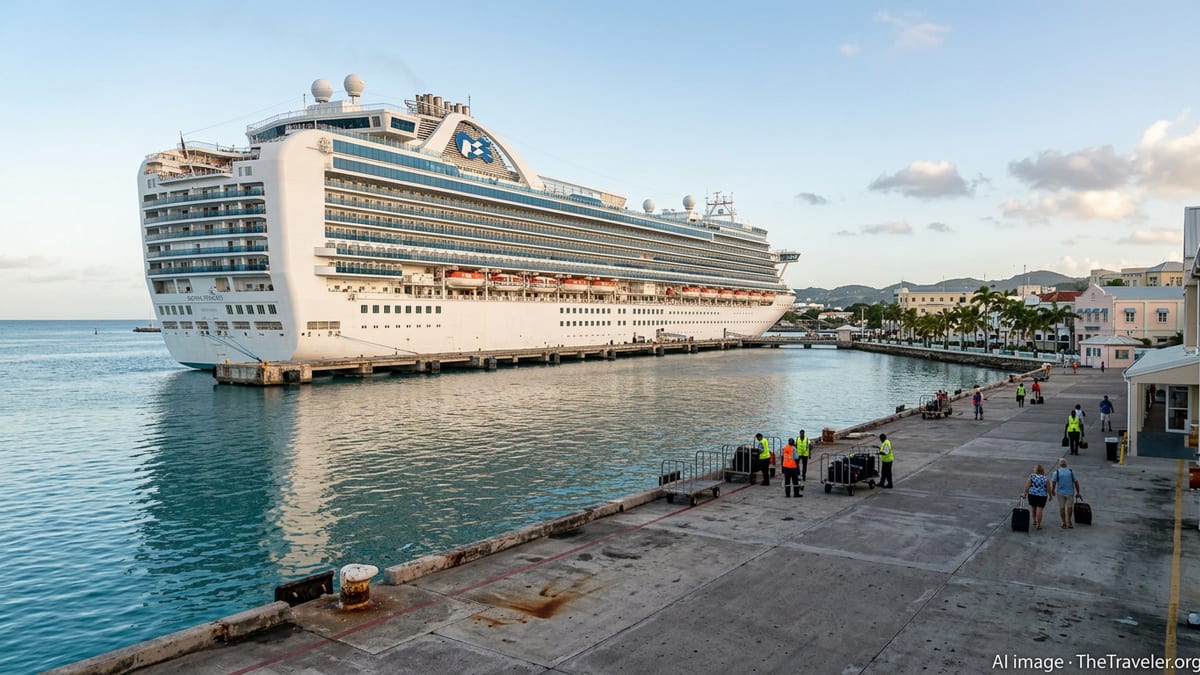
Mega-Ships Turn the Caribbean Into a Floating Theme Park
The newest generation of Caribbean cruise ships is reshaping expectations for a holiday at sea, with vessels that function as destinations in their own right. Royal Caribbean’s Icon Class, including Icon of the Seas and the recently introduced Utopia of the Seas, has drawn global attention with sprawling water parks, family neighborhoods and multi-deck entertainment districts aimed at keeping guests onboard as much as in port.
According to published coverage and cruise line data, these ships now rival large land resorts in capacity and complexity, carrying thousands of passengers and offering everything from surf simulators and multi-slide water complexes to immersive entertainment venues. Similar trends are evident across the industry, with new builds from Norwegian Cruise Line, MSC Cruises and others emphasizing large-scale water features, open-air activity zones and high-tech shows designed for short Caribbean itineraries.
Industry reports indicate that these mega-ships are being strategically based in Florida and Gulf homeports to deliver frequent three- to seven-night Caribbean sailings. The model encourages repeat visits, with travelers treating ships as attractions they return to for new dining concepts, upgraded suites and refreshed entertainment seasons rather than simply a means of transportation between islands.
Private Islands Emerge as High-Value Caribbean Destinations
At the same time, the classic beach day in the Caribbean is being reinvented through heavily developed private destinations. Royal Caribbean’s Perfect Day at CocoCay in The Bahamas has become a hallmark example, offering a full-scale water park featuring slides, wave pools and a helium balloon ride, alongside expansive beaches and family zones, according to the company’s publicly available destination overview and independent travel reports.
The island’s ongoing evolution illustrates how lines are concentrating investment into controlled environments. Perfect Day’s original multihundred-million-dollar transformation has been followed by new phases such as Coco Beach Club and, most recently, the adult-focused Hideaway Beach, which opened in January 2024. Published information describes Hideaway Beach as a dedicated 18-plus area with its own pool, swim-up bar, live music programming and a capped daily capacity aimed at preserving an exclusive feel.
Royal Caribbean Group’s corporate disclosures further highlight that CocoCay’s expansion is part of a wider destination strategy, which includes the upcoming Royal Beach Club on Paradise Island in Nassau and a future Perfect Day-branded site on Mexico’s Caribbean coast. Similar projects from MSC Cruises at Ocean Cay MSC Marine Reserve, and from other brands in The Bahamas and the eastern Caribbean, underline a broader shift toward cruise lines creating and controlling the shore-side experience.
Ship-Within-a-Ship Concepts Bring Luxury to the Mass Market
While mega-ships focus on high-energy attractions, there is parallel growth in secluded, upscale spaces aimed at travelers seeking a more intimate Caribbean experience. Mainstream brands have expanded “ship-within-a-ship” complexes, where premium suites are grouped into self-contained retreats with private lounges, pools and restaurants.
Comparative analyses from cruise industry publications point to Norwegian’s The Haven, MSC Yacht Club, Celebrity’s The Retreat and Royal Caribbean’s suite neighborhoods as leading examples. These areas typically provide priority embarkation, butler or concierge services, reserved sun decks and quieter dining venues, creating a boutique-hotel atmosphere even on vessels carrying several thousand guests.
Travel advisors note that the Caribbean is one of the most popular regions for these products, in part because the area attracts multi-generational groups and special-occasion travelers looking to combine family-friendly amenities with an elevated stay. The result is a stratified onboard experience: water slides and adventure zones remain accessible to all, while premium guests retreat to private pools and cabanas at sea and on the lines’ private islands.
Adults-Only and Boutique Experiences Gain Ground
The rise of adults-only zones in the Caribbean reflects evolving demographics and expectations. Reports on the debut of Hideaway Beach at Perfect Day at CocoCay describe a design that leans into a beach club atmosphere, with DJs, multiple bars, dedicated food options and upgraded cabanas positioned to appeal to couples and groups seeking a party vibe without children underfoot.
At the boutique end of the market, smaller ultra-luxury brands are expanding in the region alongside the mega-ship boom. The Ritz-Carlton Yacht Collection, for example, has rolled out winter Caribbean itineraries on all-suite yachts that emphasize personalized service, spacious terraces and destination-immersive shore experiences, according to the company’s published materials. These products are geared toward guests who might ordinarily choose a five-star resort in Barbados or St Lucia but are increasingly open to exploring multiple islands without sacrificing space and amenities.
Across both mainstream and luxury segments, Caribbean deployment patterns indicate a growing emphasis on differentiated experiences rather than simple port counts. Lines are mixing high-energy private destinations, marquee islands such as Cozumel and St Thomas, and smaller ports in the Grenadines or the Dutch Caribbean, giving travelers a wider range of atmospheres within a single week.
Technology, Pricing and Sustainability Shape the Next Phase
Behind the visible attractions, technology and pricing strategies are also reshaping Caribbean cruises. Corporate reports and investor presentations from major cruise groups highlight investments in island-wide Wi-Fi, digital payment systems and app-based reservations that allow guests to move seamlessly between ship and shore while managing dining, activities and shore excursions from their phones.
Dynamic pricing is increasingly evident in access fees for private island amenities such as water parks, beach clubs and adults-only areas. Published accounts from travelers show that the cost of a day pass to venues like Hideaway Beach or premium beach clubs can vary significantly by sailing date and demand, positioning these spaces as yield drivers in addition to guest perks.
Environmental considerations are also coming to the forefront as Caribbean cruise capacity grows. Private-island projects such as Perfect Day at CocoCay and Ocean Cay MSC Marine Reserve have sought eco-certifications and emphasized reef-friendly operations, shore-power capabilities and controlled development zones in their public messaging. Industry observers note that continued expansion in the region is likely to be closely watched by local governments, environmental groups and travelers who increasingly weigh sustainability alongside price and onboard features when choosing a cruise.
Collectively, these developments suggest that Caribbean cruise holidays are moving toward a model where guests choose not just an itinerary, but an ecosystem of experiences: from mega-ship thrills and engineered private beaches to curated luxury enclaves that reframe what a week at sea can look like.
Royal Caribbean Perfect Day at CocoCay overview
Royal Caribbean Group destination strategy
Cruise Critic comparison of suite enclaves