


More news on this day
Americans are crowding highways and airports for Memorial Day 2026 in numbers that industry data describe as record breaking, even as drivers and flyers face mounting delays, severe weather and the highest holiday gas prices in four years.
Get the latest news straight to your inbox!
Record Numbers on the Move for Memorial Day
Travel forecasts for the 2026 Memorial Day weekend point to one of the busiest holiday getaways in more than two decades. National projections compiled from AAA and transportation analytics firms indicate that around 45 million people are expected to journey at least 50 miles from home between Thursday and Monday, edging past last year’s total. Road trips make up the overwhelming share, with roughly 39 million travelers opting to drive despite significantly more expensive fuel.
Local and regional reports across the country mirror the national picture. Coverage of travel patterns in metropolitan areas from Philadelphia and Detroit to Phoenix describes packed interstates, crowded airport terminals and busy train and bus stations as the unofficial start of the summer season gets underway. In Washington state, for example, publicly available figures show more than 1.2 million residents expected to travel over the long weekend, with nearly a million driving.
The strong demand is emerging in the face of broader economic uncertainty and lingering concerns about household budgets. Surveys cited in regional newsrooms suggest that many travelers have adjusted by choosing shorter trips, traveling closer to home or trimming dining and entertainment plans, but have generally kept their core holiday journeys on the calendar.
Highways Jam as Drivers Navigate Peak Congestion
On the roads, congestion has intensified around major cities and along popular getaway corridors. Traffic analytics shared in local coverage indicate that the heaviest outbound delays built on Thursday and Friday afternoons, when commuters mixed with vacation traffic. In several markets, including Kansas City, Detroit and Philadelphia, travel time on key interstates was projected to jump significantly during peak windows, particularly between late morning and early evening.
Return traffic is expected to be similarly challenging. Forecasts cited in multiple outlets show Monday afternoon as one of the most congested periods of the entire weekend, with some corridors projected to see travel times swell by more than 40 percent compared with typical off-peak conditions. Authorities have issued holiday construction and lane-closure restrictions in many states, but bottlenecks remain common at urban chokepoints and popular beach and lake routes.
Beyond sheer volume, weather is compounding delays in portions of the country. A Memorial Day forecast from national meteorological services highlights scattered showers and thunderstorms across parts of Texas, the South and the Northeast, raising the risk of slick roads, reduced visibility and slower speeds. In North Texas, repeated storm systems have already disrupted outdoor plans and complicated early-morning departures for some drivers over the weekend.
Airports Feel the Strain of Summer’s First Surge
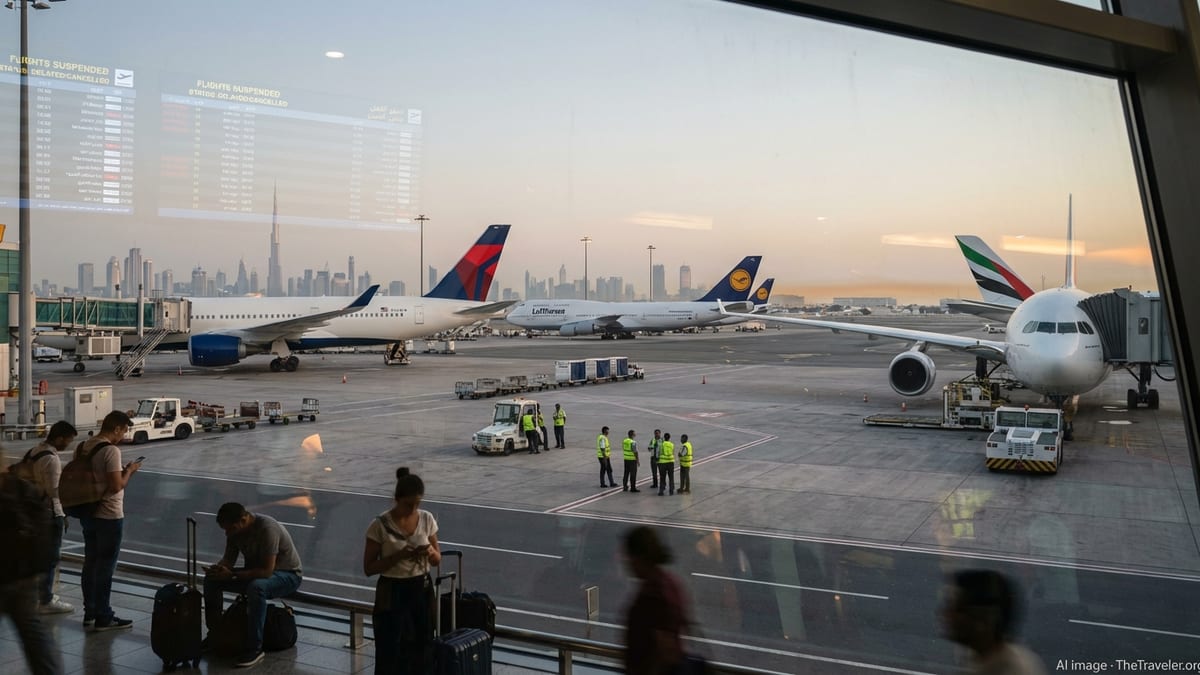
Air travel is also under pressure as the first major holiday of the summer season collides with already tight airline schedules. The Memorial Day forecast shows several million travelers passing through U.S. airports between Thursday and Monday, with the busiest days centered on Thursday, Friday and the Monday return. In cities such as Philadelphia and Seattle, airport officials have prepared for some of the heaviest passenger volumes since before the pandemic.
Published trackers and aviation data indicate that, while widespread national disruption has been limited so far, pockets of delays have cropped up at large hubs affected by thunderstorms and low clouds. Storm systems over Texas and the central United States have periodically slowed departures and arrivals, with knock-on effects for connecting flights. Transportation analysts note that afternoon and evening departures are especially vulnerable when early storms ripple through the system.
Airline performance in recent months illustrates how quickly conditions can deteriorate when severe weather coincides with high demand. A flight disruption review from March 2026 documented thousands of cancellations and tens of thousands of delays during a major winter storm, underscoring the risk of cascading issues when storms intersect with peak travel periods. For this holiday, travelers are being encouraged through public advisories to monitor forecasts closely and allow additional time at security checkpoints.
Four-Year-High Gas Prices Add to Holiday Sticker Shock
For millions of motorists, the most visible strain this Memorial Day weekend is posted on gas station signs. National averages compiled from fuel-pricing services and financial outlets show regular gasoline hovering in the mid 4 dollar range per gallon, roughly 4.50 to 4.60 dollars. That level marks the most expensive Memorial Day at the pump in four years and represents an increase of more than a dollar per gallon compared with the same holiday last year in many regions.
Energy analysts attribute most of the jump to higher crude oil costs tied to global supply concerns and geopolitical tensions. Industry outlooks published in recent days describe elevated refinery margins and tight inventories heading into the summer driving season, with few signs of a rapid decline in prices before June. State-level data show significant variation, with some Midwestern states reporting averages in the mid 4 dollar range while parts of the West Coast approach or exceed 5 dollars per gallon.
Despite the spike, consumer behavior has proven resilient. Surveys referenced by local stations and newspapers indicate that many travelers have chosen to absorb the higher fuel costs rather than cancel trips, sometimes compensating by cutting back on restaurant spending or opting for more modest accommodations. Travel commentators note that pent-up demand for summer experiences and family visits continues to outweigh concerns about price at the pump for a large share of holiday travelers.
Stormy Skies and Local Bottlenecks Shape the Return Home
As the long weekend winds down on Memorial Day, attention is turning to the trip back home. Forecasts from national weather outlets updated on May 25 highlight ongoing showers and thunderstorms in parts of the Southeast, Texas and sections of the mid Atlantic and Northeast, conditions that can slow both motorists and airline operations. Elsewhere across the West and much of the interior, drier and more stable weather is expected to allow for smoother journeys.
Transportation planning services are warning that the combination of afternoon storms, heavy return traffic and lingering incidents could mean extended delays on corridors feeding major metropolitan areas. In some cities, including those around the Great Lakes and the Eastern Seaboard, Monday afternoon drive times are projected to be among the longest of the entire weekend, particularly on interstates leading from popular lakefronts and coastal destinations.
For travelers, the pattern reinforces a familiar Memorial Day dynamic: strong demand, tight transportation networks and early season storms creating a challenging mix. While the 2026 holiday period is notable for its record-breaking volume and elevated costs, it also signals that many Americans remain determined to travel, accepting congestion, delays and higher prices as the tradeoff for launching the summer on the road or in the air.