


More news on this day
Key roads in central Mesa are moving again after a late-night freight train derailment near Center Street and Broadway forced traffic closures, detours, and a rapid cleanup effort that stretched into the following day.
Get the latest news straight to your inbox!
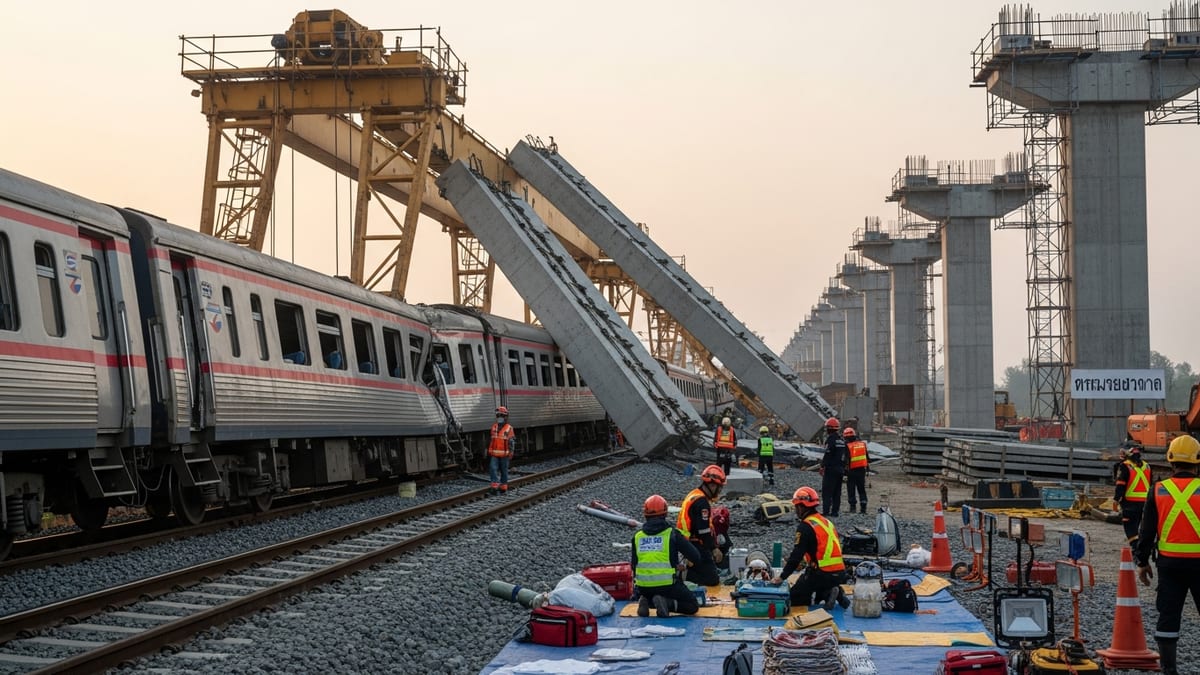
Derailment near key Mesa intersection halts traffic
Reports indicate that a freight train derailed just after midnight near the busy intersection of Center Street and Broadway Road in Mesa, disrupting vehicle circulation through one of the city’s core north south and east west corridors. Initial images from the scene showed several cars off the tracks and blocking nearby lanes, prompting law enforcement and road crews to divert motorists away from the area.
Publicly available information suggests the derailment did not lead to serious injuries, but it did immediately affect both neighborhood access and through traffic. Drivers waking up to early morning commutes on July 28 encountered flashing message boards, barricades, and extended travel times as crews assessed track and pavement damage.
The incident added to a feeling among many Phoenix area travelers that construction and emergency closures have become a regular feature of regional driving. For Mesa residents, the closure at Center and Broadway came on top of ongoing lane restrictions tied to utility work and broader street improvement projects across the city.
Roads reopened after overnight cleanup and inspections
By the morning of July 29, local coverage indicated that traffic had been restored in stages around the derailment site, with the full reopening of Center Street and Broadway following track stabilization and roadway safety checks. Barriers and detour signs that had rerouted drivers through residential streets began to come down as crews completed debris removal and surface repairs.
Travelers in the area reported that signals and lane markings were functioning normally once the roads reopened, although light congestion persisted during the first commute periods as drivers adjusted back from detour routes. For visitors using navigation apps, updates to traffic maps began reflecting green flow indicators instead of the red closure alerts that had dominated the previous day.
According to published coverage, rail operators also restored limited movements along the affected line after inspectors cleared the track for safe, reduced speed operations. Full rail capacity is expected to return following additional technical checks and any longer term infrastructure work recommended by engineering teams.
Impact on local travel and visitor itineraries
The temporary closure around Center Street and Broadway had a noticeable ripple effect on short term travel plans in Mesa, particularly for visitors using the area as a base to explore greater Phoenix, Tempe, and the East Valley. The intersection sits along established routes connecting downtown Mesa, nearby freeways, and key commercial corridors, making it a frequent cut through for hotel guests and business travelers.
With roads now reopened, drivers once again have direct access between central Mesa neighborhoods and major arterials leading toward Phoenix Sky Harbor International Airport, the Loop 202 Red Mountain Freeway, and attractions across the metro area. For travelers unfamiliar with the city’s grid, the return of normal traffic patterns simplifies navigation and cuts down on unexpected travel time.
Public information resources maintained by state and county transportation agencies emphasize that conditions around the derailment site have returned to standard operation. Visitors planning day trips by car are being encouraged in local coverage to continue checking regional traffic maps and traveler information services, as some residual lane adjustments may still appear during follow up work.
Ongoing safety reviews and infrastructure focus
While the roads have reopened, the derailment is prompting renewed attention to rail and roadway safety at busy crossings across Mesa and the wider Phoenix region. Recent years have seen a series of rail related incidents in Arizona and other states, including derailments that temporarily closed highways and local streets while wreckage was cleared and infrastructure was repaired.
According to publicly available reports, transportation agencies and rail operators typically conduct post incident reviews examining track conditions, train operations, and the performance of nearby crossings. Findings from those reviews often inform maintenance priorities, signal upgrades, and coordination protocols designed to minimize both the likelihood of future events and the travel disruption they create.
For Mesa, the combination of rapid cleanup and the swift reopening of Center Street and Broadway demonstrates how established emergency and recovery procedures can limit long closures at key junctions. At the same time, the event adds to ongoing discussions among residents and travelers about balancing intensive construction, infrastructure upgrades, and the needs of daily mobility in one of the fastest growing urban areas in the United States.
What drivers and visitors should know now
With main roads near the derailment site back in service, most travelers through Mesa are unlikely to encounter significant lingering impacts from the incident. Local news coverage notes that traffic volumes and speeds have largely normalized, and that nearby businesses are operating on standard schedules.
For visitors arriving in the coming days, the area around Center Street and Broadway is expected to function as a routine part of the city’s grid, suitable for reaching downtown Mesa, nearby cultural venues, and connections toward Tempe and Scottsdale. Rideshare drivers, hotel shuttles, and tour operators can once again use the intersection without needing extended detours.
Travel planners still recommend that motorists keep an eye on regional traffic advisories, particularly during peak hours, when minor backups can develop even under normal conditions. As Mesa continues to invest in road improvements and as rail operators complete any follow up work from the derailment, staying informed will remain a useful habit for both residents and the growing number of visitors navigating the East Valley by car.