


More news on this day
A Metro railcar derailed near the College Park–University of Maryland station around midday on July 4, disrupting Green and Yellow line travel for holiday riders and resulting in one person being transported to a hospital, according to early reports.
Get the latest news straight to your inbox!
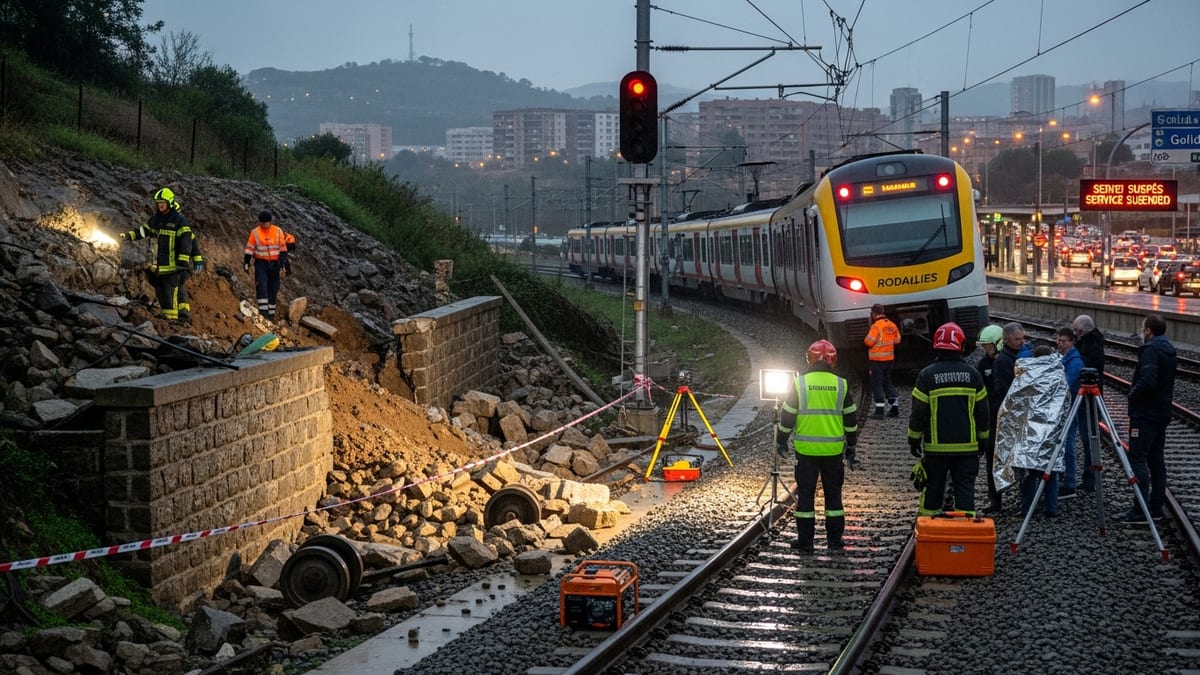
Midday derailment halts trains outside College Park
Publicly available incident reports indicate that the derailment occurred just before noon on Saturday, July 4, 2026, on a northbound train approaching College Park–University of Maryland. A single railcar is reported to have left the tracks near the transition from elevated structure to ground level, a short distance south of the station.
Initial accounts from local coverage describe a brief fire or smoke condition in the area where the train is believed to have derailed, which was quickly extinguished by on-scene personnel. The train reportedly continued a short distance before coming to a stop, allowing emergency responders to begin evacuating passengers.
Regional news summaries state that approximately a dozen riders were evacuated from the affected train. One person was transported to a hospital for evaluation, while others were assessed at the scene. No life-threatening injuries have been reported so far, but the full extent of impacts on passengers remains under review.
The station sits on a busy stretch of the Green and Yellow lines that links downtown Washington to the University of Maryland and suburban Prince George’s County. The incident unfolded as the region was preparing for heavy Fourth of July ridership, heightening concern about cascading delays across the system.
Green and Yellow line service curtailed on holiday weekend
System status updates and rider reports show that the derailment immediately disrupted rail service along the northern end of the Green and Yellow lines on Saturday. Trains were turned back short of College Park while emergency crews secured the area and inspected track and train equipment.
Passengers traveling between Greenbelt, College Park, and stations to the south encountered extended delays and crowding, particularly as midday holiday traffic began to build. The College Park–University of Maryland station typically serves as a key gateway for students, visitors, and residents heading toward downtown Washington and transfer points such as Fort Totten and Gallery Place.
According to information shared publicly through rider alerts and local coverage, replacement bus service was directed to connect Greenbelt, College Park, and Hyattsville Crossing, giving travelers an alternate path around the blocked segment. Those buses added significant travel time but helped maintain a basic connection for people relying on transit to reach Fourth of July events on the National Mall and elsewhere.
Travel patterns were further complicated by preplanned summer construction on other parts of the Metro network, including the Red Line. With normal redundancy already reduced, the derailment on the Green and Yellow corridor created additional pressure across remaining lines and bus routes serving the region.
Emergency response and early safety focus
Photographs and descriptions from the scene indicate that fire, rescue, and transit personnel converged quickly on the right-of-way south of the College Park station, working along the rail corridor that parallels freight tracks and nearby roadways. Crews used ladders and walkways to help passengers exit railcars and move to safe areas away from the tracks.
Transit safety procedures call for an immediate suspension of train movements in both directions during a derailment, followed by a methodical inspection of track, power systems, and train components. Early information suggests that investigators will closely examine the track transition area where elevated structure meets ground level, as well as any potential issues with rail fastenings or car wheel assemblies.
Published reports highlight that the incident took place during warm midday conditions, a time when heat-related stress on track infrastructure can be a concern on open-air sections of rail. In past summers, the region’s rail system has adjusted operations to account for heat-related speed restrictions and track inspections, and observers note that the combination of high temperatures, aging infrastructure, and heavy holiday traffic will likely be part of the review.
While official findings will take time, transportation analysts say that a single-car derailment with limited injuries can still have outsized implications for public confidence. Many riders are sensitive to any sign of instability on elevated or at-grade track segments, especially when traveling to high-profile events with large crowds.
Impact on Fourth of July travel plans
The derailment unfolded as Metro had positioned itself to handle some of the busiest ridership of the summer, with extended service hours and frequent trains advertised for Independence Day festivities. Riders from College Park and Greenbelt often use the Green and Yellow lines to reach downtown Washington for fireworks, concerts, and gatherings on the National Mall.
With trains halted north of the incident site, travelers faced abrupt changes to carefully timed plans. Some riders shifted to park-and-ride facilities closer to unaffected stations, while others opted for regional commuter rail or rideshare services, according to social media posts and local news coverage that tracked the disruption.
The timing also affected visitors staying near the University of Maryland and nearby hotels, who often rely on the College Park station for direct access to central Washington without needing a car. For them, navigating alternative bus shuttles or unfamiliar rail transfers on a crowded holiday afternoon added uncertainty to what is typically a straightforward journey.
Travel organizations and tourism operators monitoring Fourth of July movements across the region noted that even a localized disruption can ripple outward, as rail-reliant visitors adjust schedules, miss reservations, or choose to leave events early to secure return trips before the end of service.
What riders can expect in the coming days
Looking ahead, publicly available service advisories indicate that Green and Yellow line riders should prepare for ongoing delays and possible single-tracking near College Park while inspections and repairs proceed. Railcars and infrastructure at the derailment site will need to be cleared, examined, and certified safe before full service is restored through the affected stretch.
Travelers planning to use the Green and Yellow lines in the coming days are being urged, through online updates and media reports, to check for real-time service information before starting trips. Alternate routes may include nearby bus lines connecting to Hyattsville Crossing and other stations, as well as regional rail options that serve College Park and adjacent communities.
For the broader Washington area, the derailment serves as a reminder of the complex interplay between maintenance, capital projects, and day-to-day service reliability during the busy summer travel period. Ongoing Red Line construction, Purple Line building activity around College Park, and seasonal events across the capital region all contribute to a network where unplanned incidents can quickly test contingency plans.
Travel-focused observers note that many visitors value transparent communication about delays and realistic travel times as much as the service itself. As the investigation into the College Park derailment unfolds, Metro’s ability to manage substitute service and keep riders informed will shape how quickly confidence returns for those depending on the Green and Yellow lines to navigate the Washington region.