


More news on this day
Passengers traveling through Miami International Airport are experiencing hours-long delays and lingering cancellations after a fatal Amazon cargo plane crash forced a ground stop and shut key runways on Sunday, September 6.
Get the latest news straight to your inbox!
Ground Stop After Cargo Jet Overruns Runway
According to published coverage, an Amazon Prime Air cargo jet overran a runway at Miami International Airport on Sunday afternoon, crashing through an airport perimeter and striking vehicles outside the airfield. Reports indicate that at least five people were killed and several others injured in the fiery accident, which sent a plume of smoke over the western side of the airport complex.
Video and images shared by local outlets and social media users show the Boeing 767 coming to rest beyond the runway end, with its fuselage heavily damaged and emergency crews surrounding the wreckage. The crash prompted an immediate halt to operations as fire and rescue teams responded and investigators began documenting the scene.
Publicly available information from the Federal Aviation Administration shows that a full ground stop was issued for Miami International Airport shortly after the incident. For several hours, no flights were permitted to depart for Miami, and arrivals were held on the ground at origin airports or diverted in flight, creating a rapid buildup of delays across domestic and international routes.
While the formal investigation into the cause of the crash is in its early stages, early summaries from national and local news reports describe the incident as one of the most severe disruptions to hit the busy South Florida hub in recent years, both in terms of loss of life and operational impact.
Hours-Long Delays and Cancellations for Stranded Passengers
As of Monday morning, September 7, flight tracking data and airport status updates show that Miami International Airport remains under heavy strain. FAA advisories list significant average arrival delays into Miami, in some instances exceeding six hours, due to reduced runway availability and the presence of the disabled aircraft on or near key taxi routes.
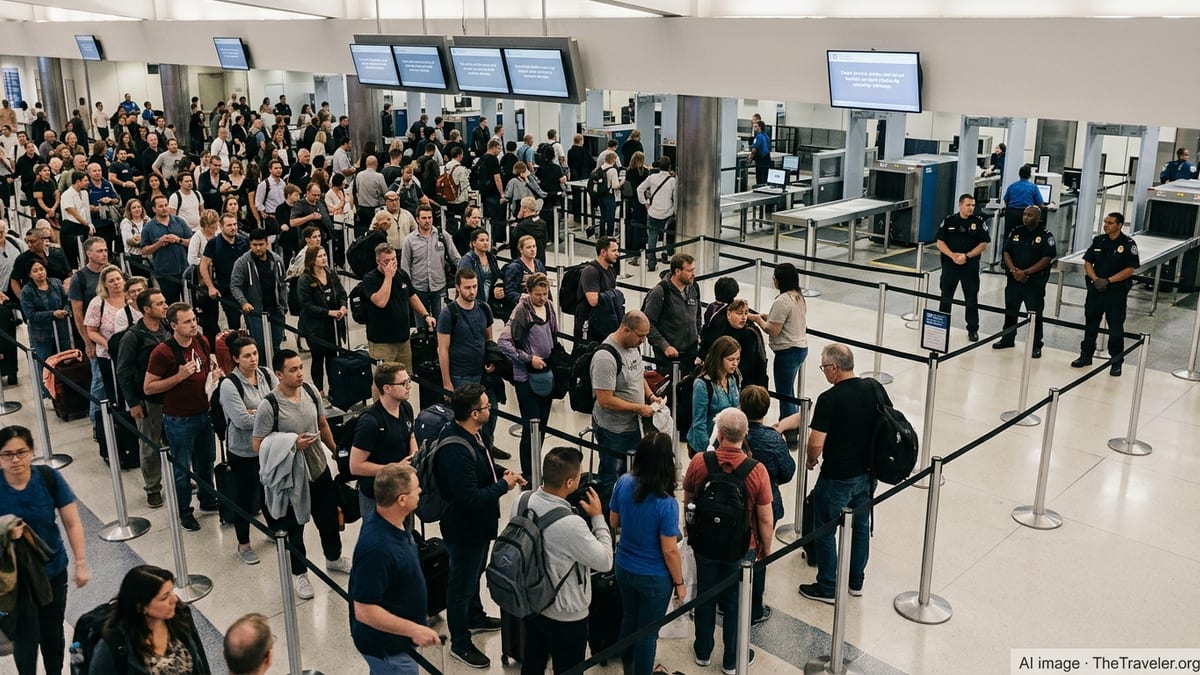
Local broadcast coverage from South Florida stations shows packed departure halls and long lines at airline counters as travelers attempt to rebook canceled or severely delayed flights. Passengers already past security describe waiting at gate areas with limited information, as airlines work through the backlog created during Sunday’s full ground stop and subsequent ground delay programs.
Published reports note that dozens of flights were canceled outright in the immediate aftermath of the crash, while many others were pushed back repeatedly throughout Sunday evening. The knock-on effect is continuing into Monday’s schedule, with early-morning departures departing late and inbound aircraft arriving out of rotation, leaving some aircraft and crews out of position.
Travelers with connections through Miami are among the most affected, as missed onward flights lead to unexpected overnight stays or rerouting through other hubs in the southeastern United States. Social media posts from passengers reference diversions to airports such as Charlotte and regional South Florida airports, where some flights have been temporarily redirected while Miami’s capacity remains constrained.
Runway and Capacity Constraints Shape Recovery Timeline
Miami International Airport typically operates with multiple runways to handle heavy traffic volumes, including extensive domestic service and long-haul international flights. Following Sunday’s crash, only a subset of these runways returned to service overnight, according to regional news coverage, while areas near the accident scene remained closed for recovery and investigation activity.
FAA operational bulletins describe the situation at Miami as a runway and taxiway capacity reduction caused by a disabled aircraft. When such restrictions are in place, air traffic planners often introduce ground delay programs, spacing out arrivals and departures to match the airport’s reduced throughput, which in turn lengthens wait times for passengers both in terminals and on aircraft.
Publicly available planning documents indicate that Miami’s infrastructure already faces periodic congestion during peak travel periods, making the impact of a sudden runway closure more severe. With one large cargo aircraft damaged near the end of a runway and emergency equipment occupying nearby surfaces, airlines are working within a narrower operating window, stretching out the recovery process.
Industry analysts quoted in national reports suggest that clearing the wreckage and inspecting the affected runway and taxi areas could take at least through the early part of the week. Until that work is complete and full runway capacity is restored, travelers can expect continued delays, schedule adjustments, and potential last-minute cancellations.
What Travelers Passing Through Miami Should Expect
For passengers with upcoming flights to, from, or through Miami International Airport over the next several days, publicly available guidance from airlines and aviation agencies points to a cautious approach. Most carriers are urging travelers to check their flight status frequently on official websites or mobile apps before leaving for the airport, as departure and arrival times remain subject to change.
Some airlines have introduced temporary travel waivers for Miami, allowing customers to modify itineraries without standard change fees, in recognition of ongoing operational disruptions. While specific terms vary by carrier, these waivers typically permit rebooking on alternative dates or routing through different hubs when seats are available.
Travel experts interviewed in broadcast and online coverage recommend that passengers with tight connections or important same-day commitments build in additional time or consider routing options that avoid Miami until operations stabilize. Those already at the airport may find it helpful to remain close to their gate, monitor airport display boards, and stay in touch with their airline’s customer service channels for rebooking assistance.
Given the evolving nature of the response and investigation, official airport and FAA advisory pages remain important references for the latest information on runway status and delay programs. Travelers planning near-term trips are being encouraged to remain flexible, as Miami’s role as a major gateway means that disruptions can ripple across airline networks well beyond South Florida.
Impact on Cargo Operations and Regional Connectivity
The crash involves an aircraft operating an Amazon-related cargo service, and publicly available reports note that the flight was carrying freight rather than passengers. Even so, the shutdown affected the entire airport, including passenger terminals and other cargo operations, as ground crews and first responders worked across a broad area.
Miami serves as a key cargo and logistics hub for the Americas, with extensive connections to Latin America and the Caribbean. Any extended closure of a runway used by freighters can disrupt time-sensitive shipments, ranging from e-commerce parcels to perishable goods, though the full scale of the cargo impact from Sunday’s crash is not yet clear in early reporting.
Regional coverage highlights that some flights were diverted to nearby airports as Miami reduced operations. While this can ease congestion at the primary hub, it may add complexity for both airlines and travelers, particularly when aircraft and crews must reposition once conditions improve. Ground transportation providers near Miami International Airport are also experiencing higher-than-usual demand as travelers adjust their plans.
As investigators continue their work, aviation observers note that the crash and its aftermath raise broader questions about runway safety areas, land use around airports, and the challenges of managing high-density operations when an emergency closes part of the airfield. For now, however, the immediate reality for thousands of passengers inside Miami International Airport is a day of uncertainty, long waits, and the hope that normal schedules will gradually return in the days ahead.
Sources: WPLG Local 10, CBS Miami, WPBF, Associated Press