


For many travelers, the Chase Freedom Unlimited card rides in a wallet pocket, quietly earning cash back on airport coffees, drugstore sunscreen and last-minute Uber rides. Yet a surprising number of cardholders never move past the basic idea of “1.5 percent cash back,” and in doing so leave significant rewards on the table. Used thoughtfully, this no-annual-fee card can fund hotel nights, offset flights and protect trips, especially when paired with other Chase cards. The key is understanding how the earning structure really works, how Ultimate Rewards points behave, and when travel redemptions beat simple cash back.
Get the latest updates straight to your inbox!
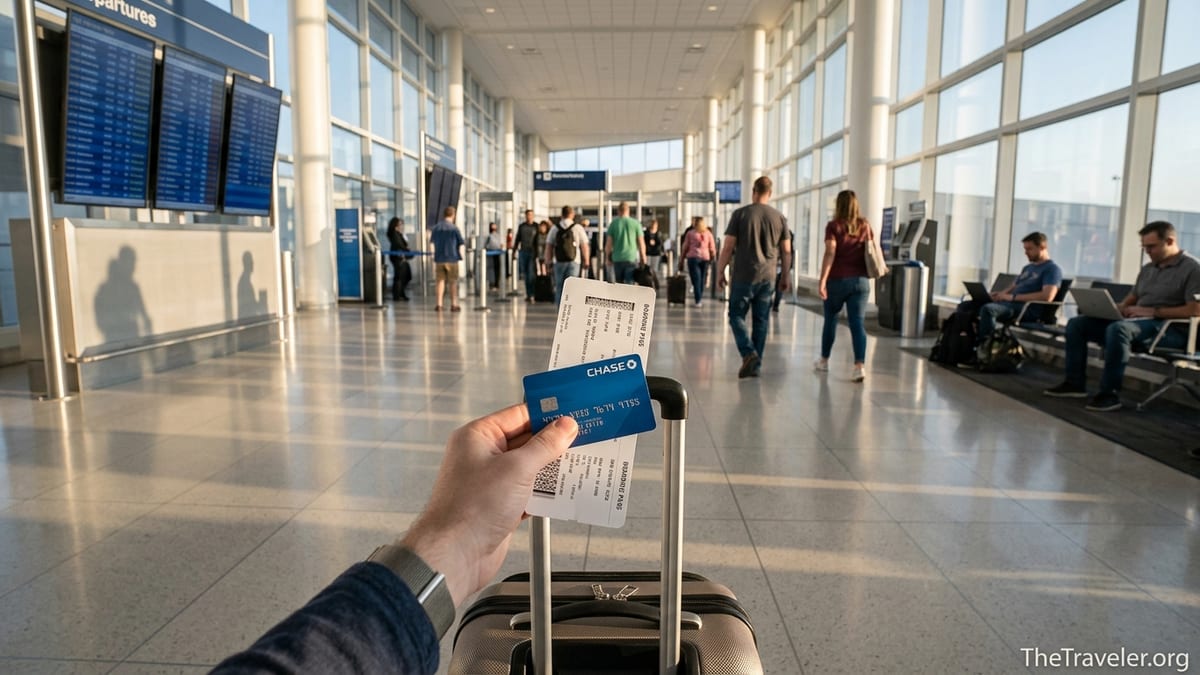
What the Chase Freedom Unlimited Card Actually Earns
Chase markets Freedom Unlimited as a simple cash back card, but behind the scenes it earns Chase Ultimate Rewards points. On the current structure, cardholders earn 5 percent back on travel purchased through Chase Travel, 3 percent on dining (including most delivery and takeout) and 3 percent on purchases at drugstores. All other eligible purchases earn 1.5 percent. In practice that means a $400 long-weekend hotel booked through the Chase Travel portal can earn 2,000 points, a $120 dinner out earns 360 points, and a $60 drugstore run for travel toiletries, sunscreen and motion sickness tablets earns 180 points.
Many people assume they are locked into cash back only. In reality, Freedom Unlimited points sit in an Ultimate Rewards account, and you can redeem them for statement credits, direct deposits, gift cards, travel through Chase Travel, and in some cases transfer them to a premium Chase card you also hold. The default value is typically about 1 cent per point for cash back or travel booked through Chase with this card, so 10,000 points generally equates to about 100 dollars in value. Understanding that baseline is essential before you can see where the real upside begins.
Another misconception is that bonus categories are limited or capped. Unlike rotating category cards that require activation each quarter, Freedom Unlimited’s 3 percent and 5 percent categories are ongoing. That means a frequent traveler who spends roughly 250 dollars a month on dining, 100 dollars in drugstores and 1,000 dollars a year on travel booked through the Chase portal could easily generate more than 10,000 points annually without chasing promotions or changing habits.
How Redemption Choices Quietly Shrink or Grow Your Travel Budget
Where most people lose value is in quick, convenient redemptions that feel satisfying but are mathematically weak. With Freedom Unlimited on its own, points are worth about 1 cent each whether you cash out or book travel in the Chase portal. That makes it tempting to redeem 8,000 points for an 80 dollar statement credit after an expensive night out. Yet if you also carry a Chase Sapphire Preferred or Chase Sapphire Reserve, you can move those same points into the Sapphire account and increase their value when booking travel.
For example, consider a traveler planning a three-night city break in Chicago. They spend 600 dollars on a flight and 450 dollars on a midrange downtown hotel, booking both through Chase Travel. The 1,050 dollar purchase on Freedom Unlimited earns 5 percent back, or 5,250 points. If they later redeem those points through Freedom Unlimited alone, they get about 52 dollars of value. If instead they also hold a Sapphire Preferred and pool the points there, Chase may value them at about 1.25 cents per point when used for travel, turning 5,250 points into roughly 65 dollars toward the next trip. With a Sapphire Reserve, the uplift can be higher. Over several trips a year, that difference adds up to an extra hotel night or a short-haul flight.
Travelers also underestimate the power of flexible timing. A common pattern is earning points on summer vacation expenses and then redeeming them immediately for statement credits when the card bill arrives. Waiting and combining points from multiple months or multiple Chase cards can unlock more useful redemptions, such as offsetting a high-season flight to Europe or covering a boutique hotel near a major festival when cash rates spike.
The Overlooked Power of Pairing With Other Chase Cards
Freedom Unlimited becomes significantly more valuable when paired with a premium Chase Ultimate Rewards card like Sapphire Preferred, Sapphire Reserve or the Ink Business Preferred card. Those products typically allow transfers of Ultimate Rewards points to airline and hotel partners at a one-to-one ratio. By moving Freedom Unlimited points into a partner airline or hotel program via a Sapphire or Ink card, travelers can often book flights and stays that would cost far more in cash.
Picture booking a round-trip economy flight from New York to Lisbon. A cash fare in shoulder season might run around 800 dollars. Some airline mileage programs charge roughly 60,000 points plus taxes for the same route. A diligent Freedom Unlimited user who channels daily spend into bonus categories could generate a substantial chunk of those points in a year, especially when combined with points from a Sapphire Preferred sign-up bonus and additional travel spending. Instead of redeeming 40,000 points as 400 dollars of statement credit, a traveler might aim to top up those points in a partner airline program and secure an international ticket worth closer to 800 dollars in cash.
Hotels show similar potential. Many frequent travelers use Ultimate Rewards to transfer to a hotel program for high-value redemptions. A downtown hotel during a major event might cost 350 dollars per night in cash while requiring far fewer points than that cash price implies. Freedom Unlimited cardholders who routinely spend on dining, drugstores and Chase Travel can move their accumulated points into that hotel program through a Sapphire or Ink card and effectively turn everyday errands at home into free nights on the road.
This sort of strategy requires a willingness to think beyond pure cash back. For someone who never travels, cash back may be the cleanest option. For travelers who value flights and hotel nights, pairing and pooling Ultimate Rewards points across Chase cards is where Freedom Unlimited often stops being a simple 1.5 percent card and becomes a core travel tool.
Misunderstood Travel Earning Rules and Protections
Another place where people leave rewards behind is confusion about what counts as travel and how to trigger the 5 percent category. With Freedom Unlimited, the elevated 5 percent rate generally applies to travel purchased through the Chase Travel portal rather than booking directly with an airline or hotel. A traveler flying from Los Angeles to Honolulu who books a 500 dollar ticket directly on an airline website will typically earn 1.5 percent, or 750 points. If the same ticket is booked through Chase Travel, it can earn 5 percent, or 2,500 points, a significant difference over repeated trips.
Travelers often assume that using a cash and points mix in the portal might reduce earnings. In reality, if you pay a portion of the booking with the card itself, that portion can still earn the bonus. For instance, booking a 700 dollar hotel stay in Miami through Chase Travel and using 300 dollars worth of points plus 400 dollars charged to the card can still earn 5 percent on the 400 dollars paid in cash, or 2,000 points, while simultaneously redeeming some of your balance.
Beyond rewards, Freedom Unlimited carries several travel-related protections that many cardholders overlook. Trip cancellation and interruption coverage can reimburse certain prepaid, nonrefundable travel expenses, such as flights or tours, if a trip is disrupted by covered reasons like severe weather or qualifying illness. There is also purchase protection on eligible new items, which can help if your new noise-canceling headphones bought for a long-haul flight are damaged or stolen shortly after purchase. Many travelers instinctively reach for whichever card is already in hand at checkout, but deliberately using the Freedom Unlimited for key bookings can provide both reward earnings and a layer of protection that debit cards and some other credit cards may not offer.
Foreign Transaction Fees and When Not to Use the Card Abroad
One of the most expensive misunderstandings for international travelers is assuming that a strong rewards rate makes Freedom Unlimited ideal for spending overseas. In practice, the card typically charges a foreign transaction fee of about 3 percent on purchases made in another currency or processed by a foreign bank. That means a 150 dollar bistro dinner in Paris can quietly cost closer to 154.50 dollars once the fee is added, and a 1,000 dollar resort stay in Mexico can incur an extra 30 dollars in fees on top of the room rate and any taxes.
Consider a weeklong trip to Tokyo where a traveler spends roughly 1,800 dollars on hotels, 600 dollars on dining and 400 dollars on attractions and transportation, much of it in local currency. Using Freedom Unlimited, they would earn respectable rewards but may also pay around 84 dollars in foreign transaction fees on 2,800 dollars in spend. Over multiple international trips per year, that fee can outstrip the value of the rewards earned, especially when compared with a card that waives foreign transaction fees entirely.
For this reason, many travelers combine Freedom Unlimited with a no-foreign-transaction-fee travel card, such as a premium Chase Sapphire product. At home, they might pay for ride-shares, dining and pharmacies with Freedom Unlimited to capture the elevated bonus rates. Abroad, they switch to a card that explicitly advertises no foreign transaction fees for restaurants, hotels and shops in local currency. In effect, Freedom Unlimited becomes the workhorse for earning at home, while another card takes the lead once the plane lands.
Everyday Scenarios Where Travelers Leave Value on the Table
To see how this plays out in the real world, imagine a family of four planning an October trip from Dallas to Orlando for a theme-park getaway. They spend 1,200 dollars on flights, 1,800 dollars on a four-night hotel stay near the parks and about 600 dollars on dining. Booked directly with airlines and hotels, paying everything on Freedom Unlimited at 1.5 percent, they earn roughly 57 dollars in rewards. If instead they book the flights and hotel through Chase Travel with the same card, the 3,000 dollars in portal travel earns about 150 dollars worth of points, nearly triple the value, before accounting for dining rewards.
Or consider a solo traveler based in Seattle who eats out frequently and travels modestly. They spend 400 dollars a month on dining and 100 dollars at drugstores, plus 2,000 dollars a year on domestic flights and hotels booked through Chase Travel. Over 12 months, that pattern might generate roughly 14,000 points from dining, 3,600 from drugstores and 10,000 from travel, for a total near 27,600 points. Treated as straight cash back, that is about 276 dollars. If that traveler also holds a Sapphire Preferred and moves the points there, those same 27,600 points can be worth closer to 345 dollars toward flights or hotels through the Sapphire travel portal, enough to cover a round-trip ticket to a nearby national park gateway city and a night in a midrange hotel.
Many travelers also forget to adjust their card choice during big, infrequent expenses like destination weddings or multi-generational family trips. A single 5,000 dollar villa rental booked through Chase Travel for a countryside reunion could earn 250 dollars in rewards. Paying for the same villa via a bank transfer or a card that does not earn elevated travel rewards could mean missing out on what amounts to a free domestic flight.
The Takeaway
Chase Freedom Unlimited is often dismissed as a straightforward 1.5 percent cash back card, but travelers who stop there miss its potential. Understanding that it earns Ultimate Rewards points, recognizing how the 5 percent travel and 3 percent dining and drugstore categories work, and learning to pair it with other Chase cards can dramatically change how far your everyday spending carries you on the road.
Used strategically, Freedom Unlimited can be your primary card for daily life in the United States, quietly building a balance of points that later translates into airfare, hotel nights or meaningful statement credits against big trips. Combined with a no-foreign-transaction-fee card for international purchases and a premium Chase card to unlock partner transfers, it becomes a flexible tool for building travel experiences rather than just trimming your monthly bill. The card’s protections around trip cancellation and eligible purchases add a layer of safety many travelers do not realize they already have.
The biggest shift is mental: treat every restaurant check, pharmacy run and portal-booked flight as a chance to fuel your next adventure, rather than a chore to be paid off as quickly as possible. When you understand what Freedom Unlimited is capable of, your rewards stop being an afterthought and start becoming part of your travel planning toolkit.
FAQ
Q1. Is Chase Freedom Unlimited a cash back card or a travel points card?
It functions as a cash back card on the surface but actually earns Chase Ultimate Rewards points, which you can redeem for cash, travel through Chase Travel and, when paired with certain other Chase cards, transfer to airline and hotel partners.
Q2. How much cash back does Chase Freedom Unlimited earn on travel purchases?
When you book eligible travel through the Chase Travel portal with this card, you generally earn 5 percent back in the form of Ultimate Rewards points, while most direct travel purchases outside the portal earn 1.5 percent.
Q3. Can I use Chase Freedom Unlimited for international travel expenses?
You can use it abroad, but many versions of the card charge around a 3 percent foreign transaction fee on purchases in foreign currencies, which can outweigh some of the rewards earned on international trips.
Q4. How do I get more than 1 cent per point from my Freedom Unlimited rewards?
On its own, the card typically gives about 1 cent per point in value. To potentially get more, you can pair it with a premium Chase card that allows you to pool points and redeem them at a higher value for travel or transfer them to airline and hotel partners.
Q5. Do Freedom Unlimited rewards expire if I do not travel often?
As long as your account is open and in good standing, the Ultimate Rewards points you earn with Freedom Unlimited generally do not expire, so infrequent travelers can let points build over time for a future trip.
Q6. What counts as dining for the 3 percent category on Chase Freedom Unlimited?
Dining usually includes purchases at restaurants, cafes, fast-food outlets and many delivery and takeout services. Charges must code as dining with the payment network to earn the elevated rate.
Q7. Do I need to activate categories to earn 3 percent or 5 percent rewards?
No. Unlike some rotating category cards, Freedom Unlimited’s 3 percent dining and drugstore categories and 5 percent travel through Chase Travel are built-in and do not require quarterly activation.
Q8. Is booking through Chase Travel more expensive than booking directly with airlines or hotels?
Prices in the Chase Travel portal are often competitive with public rates, but they can vary by date, route and property. It is wise to compare the portal price to the airline or hotel’s own price before booking, especially on complex itineraries.
Q9. Does Chase Freedom Unlimited include any travel insurance benefits?
Yes, the card typically offers benefits such as trip cancellation and interruption coverage for certain prepaid, nonrefundable travel expenses when you pay with the card, along with purchase protection on eligible items used during travel.
Q10. When should I use a different card instead of Chase Freedom Unlimited while traveling?
It often makes sense to use a card with no foreign transaction fees for purchases in foreign currencies, while reserving Freedom Unlimited for domestic travel bookings through Chase Travel, dining and drugstore purchases where its bonus categories shine.