


More news on this day
Asia-Pacific travellers heading to Europe now have fresh incentives to linger in southern Germany, as Lufthansa’s Munich Stopover Programme scales up with new long-haul capacity and expanded tourism partnerships across Bavaria.
Get the latest news straight to your inbox!
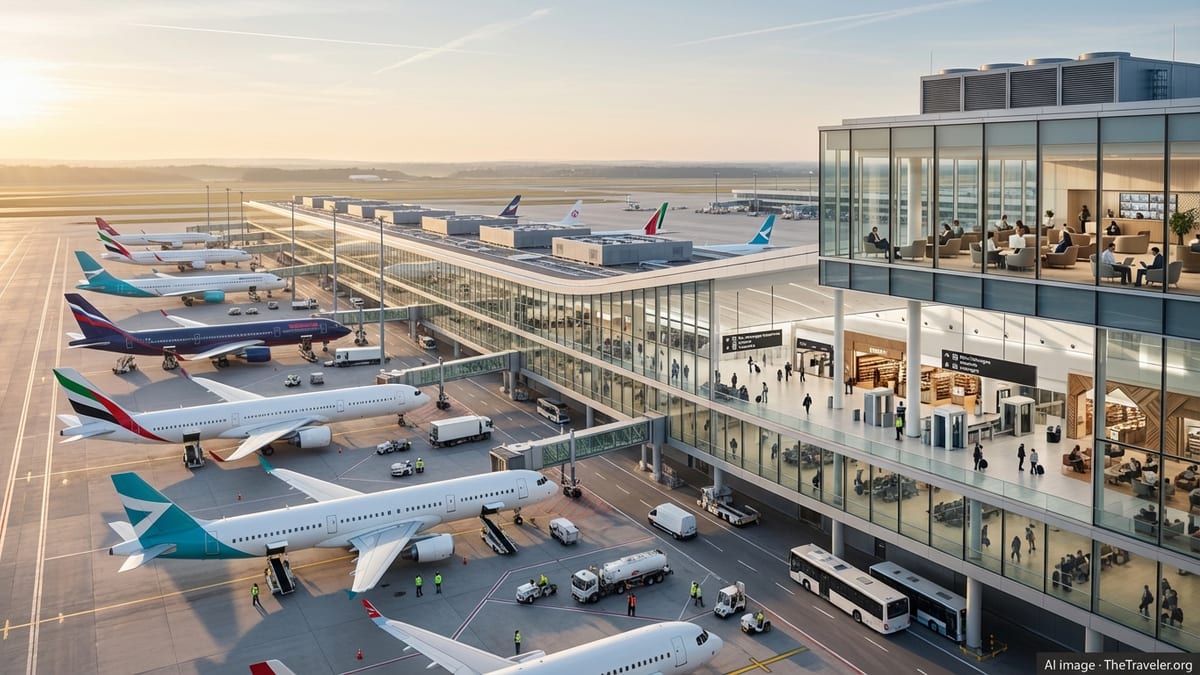
Stopover Offer Grows Around Munich Hub
Publicly available information shows that Lufthansa’s stopover option, introduced for its Munich hub in partnership with Munich Airport and local tourism bodies, has evolved into a core pillar of the city’s visitor strategy. The programme allows international passengers to add a stay of up to seven days in Munich when travelling to or from their final destination, transforming a transfer into an additional short break in Bavaria.
Munich Tourism highlights the stopover initiative as a way to position the Bavarian capital as a destination in its own right rather than just a connecting point. Reports indicate that the offer is tightly linked to the city’s existing visitor infrastructure, with participating hotels, cultural attractions and mobility providers integrated into the booking flow and post-booking communications.
According to the Lufthansa stopover pages, the scheme currently focuses on Munich as the sole gateway city. Travellers who opt in at the time of booking receive access to a curated portfolio of partner offers, ranging from accommodation discounts to city sightseeing products. These elements are designed to be bookable independently, while the flight itinerary remains on a single ticket.
Targeting APAC Demand with More Asia Capacity
Industry updates from the Lufthansa Group show a clear emphasis on expanding capacity between Munich and key Asian markets in the 2026 summer schedule. Additional weekly flights to Indian technology hubs such as Bangalore, alongside increased services on existing routes, underscore Munich’s role as a growing long-haul gateway for Asia-Pacific travellers connecting to Europe.
Munich Airport’s own traffic forecasts and summer timetable announcements point to record long-haul activity, with the Lufthansa Group basing more widebody aircraft in the Bavarian capital and scheduling new or upgauged services to Asian cities. This aligns the stopover programme with a larger network push that channels more APAC-origin passengers through Munich on their way to other European destinations.
Tourism market research in Bavaria has highlighted the importance of so-called “fern markets,” including long-haul origin regions across the Asia-Pacific. Conference and trade presentations focused on stopover products describe them as a lever for international market development, suggesting that APAC routes are an early testing ground for broader applications of the Munich model.
Curated Bavarian Experiences for Transit Guests
The Munich stopover framework is built around easy access to Bavarian culture, food and landscapes within a tight timeframe. Lufthansa’s dedicated stopover pages for markets such as Singapore and Japan promote classic Munich experiences, including visits to Marienplatz, the English Garden and major museums, alongside culinary highlights like traditional beer halls and local specialties.
Partner offers promoted through the programme extend beyond the city centre. Tourism factsheets circulated to the travel trade present Munich as a gateway to the Alps and wider Bavaria, with day trips to destinations such as Neuschwanstein Castle, the Zugspitze and nearby lakes positioned as natural extensions of a one to three night stopover. This supports an itinerary pattern where APAC visitors break their journey for a short Bavarian segment before continuing deeper into Europe.
Within Munich itself, the programme makes use of existing visitor tools like the Munich city pass and hop on hop off sightseeing buses, often at preferential rates for stopover customers. Publicly available descriptions emphasize seamless public transport links from the airport to the city, enabling time-pressed passengers to maximise a short stay without the need for a rental car.
Digital Access and Market-Specific Landing Pages
The stopover offer is integrated into Lufthansa’s digital booking environment rather than sold as a standalone tour package. Information made available by the airline shows that eligible customers are invited during or after the flight booking process to opt in to receive tailored tourism content. Once consent is given, they are sent a dedicated link within 24 hours that unlocks partner offers connected to their Munich stopover.
Separate stopover pages are available for different language and market versions of the Lufthansa site, including dedicated sections for Singapore, Japan and other APAC countries. These pages combine general programme conditions with regionally adapted messaging, highlighting Munich’s cultural attractions, shopping and dining options that may resonate particularly with Asia-Pacific travellers.
Programme conditions published online clarify that stopover benefits are not available on certain special fares or award tickets, and that Lufthansa’s role is limited to granting access to third party tourism offers. The structure keeps the airline focused on air transport while allowing Bavarian tourism partners to manage the on-the-ground guest experience.
Bavaria Positions Itself as a Long-Haul Stopover Region
Beyond the airline component, Bavarian tourism organisations are treating the Munich stopover as part of a broader regional strategy. Trade-facing materials from Bavaria’s tourism board and Munich Tourism frame the airport as a “gateway to the Alps” and stress the potential to convert transit passengers into short-stay visitors across the state.
Presentations at local B2B tourism forums have specifically examined whether stopover initiatives can unlock more value from long-haul markets. Discussion topics include bundling city and alpine experiences, improving rail connectivity for short stays and aligning marketing campaigns in APAC with airline capacity growth. The Munich stopover project is frequently referenced as a live example of this approach.
As Lufthansa and Munich Airport pursue a joint growth strategy that adds more long-haul aircraft, terminal capacity and premium products in the coming years, publicly available documents suggest that stopover and transfer products will remain a focus. For APAC travellers, this combination of network expansion and curated on-the-ground experiences is positioning Munich and Bavaria as a practical and appealing detour on routes between Asia and Europe.
Lufthansa Stopover Program overview
Munich Tourism information on the Lufthansa stopover offer
Lufthansa Group news on expanded Asia flight offer from Munich
Bavaria tourism B2B stopover programme session details
Bavaria Travel Trade factsheet on Munich as gateway to the Alps