


More news on this day
A traveler’s attempt to help a supposedly stranded student at Navi Mumbai International Airport has triggered fresh concern over passenger-targeted scams, after the good Samaritan reported transferring Rs 21,100 for a flight ticket only to be blocked immediately afterward.
Get the latest news straight to your inbox!
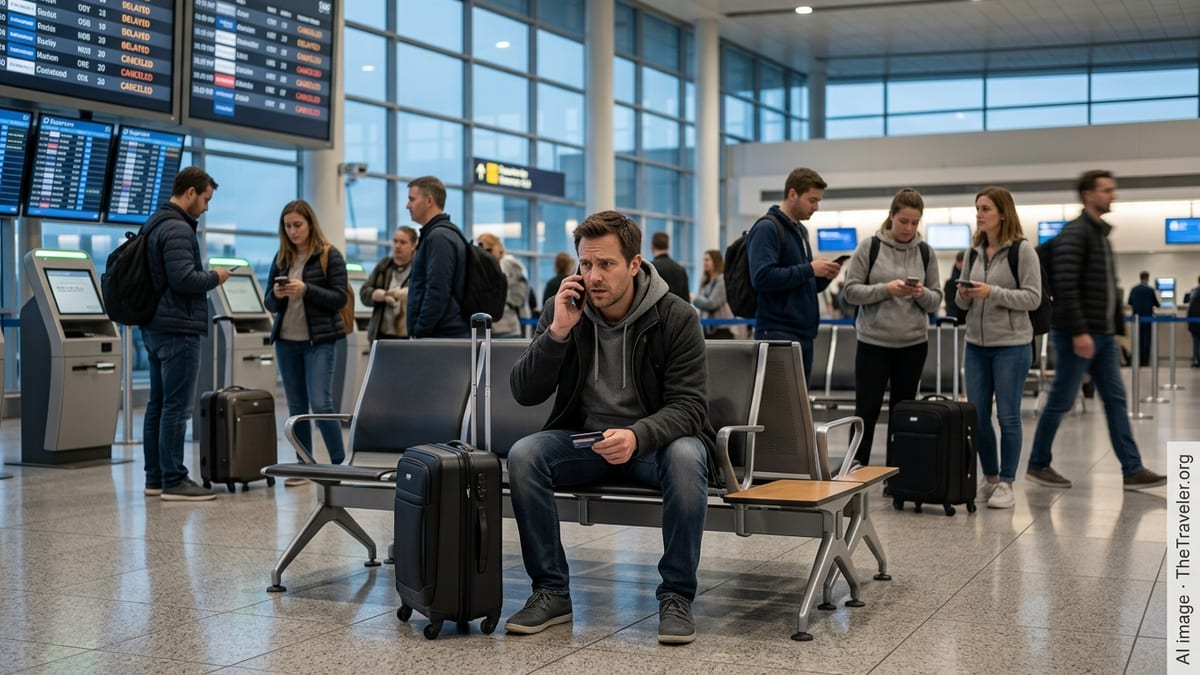
Online Post Details Costly Appeal for Help at NMIA
According to a first‑person account shared this week on a public discussion forum, the incident took place on 6 October 2026 at Navi Mumbai International Airport, where the poster describes being approached by a young man who said he was from Andhra Pradesh and struggling with Hindi. The stranger reportedly claimed he was a student who had missed his flight, did not have enough money to rebook, and needed urgent help to travel home.
The poster recounts that after an initial conversation, they agreed to help purchase a new ticket using their own funds, with the student promising to reimburse the full amount immediately. The helper says they transferred Rs 21,100 via digital payment to cover the fare for a same‑day flight, selecting what was presented as a reasonably priced option in the circumstances.
Soon after the transaction, the traveler states that the recipient blocked them on messaging platforms and could no longer be reached on the phone number initially provided. The poster later described the experience as “funding a stranger’s trip” and warned other passengers that similar emotional appeals could surface at busy terminals.
The account has not been independently verified, but the pattern described closely mirrors other reports from major Indian airports in recent years, in which passengers are approached with convincing personal stories and asked to pay for tickets, luggage fees or transport, only to find communication cut off once money changes hands.
Navi Mumbai’s Rapid Growth Creates New Environment for Scammers
Navi Mumbai International Airport, operated by Adani Airport Holdings, has been ramping up operations ahead of the 2026–2027 winter schedule, adding more domestic connectivity and expanding ground transport links including additional bus routes, app‑based cabs and shuttle services between Navi Mumbai and Mumbai’s Chhatrapati Shivaji Maharaj International Airport. Publicly available information shows that the airport is positioning itself as a major regional hub with multimodal access for passengers.
As flight volumes and footfall rise, traveler advocates note that large hubs tend to see a parallel increase in opportunistic scams. High‑stress moments such as tight connections, late‑night arrivals and complex transfers between terminals or cities can leave passengers more susceptible to emotional requests for financial help or to informal “assistance” offers that come with undisclosed costs.
Reports from forums focused on air travel in India have highlighted a broader ecosystem of questionable practices in and around major airports, from informal portering for unannounced fees to inflated taxi quotes at peak hours. In the Navi Mumbai area specifically, online discussions have pointed to confusion around new transport arrangements, variable app‑based cab pricing and the learning curve that comes with navigating an unfamiliar, still‑evolving infrastructure.
Within that context, a scam that hinges on empathy for a stranded young traveler can be particularly effective. The sums involved, such as the Rs 21,100 described in this latest account, align with what a one‑way short‑notice domestic ticket can cost on a busy travel day, making the appeal sound realistic to someone who is already familiar with current fares.
How the “Stranded Passenger” Scenario Typically Unfolds
Travel‑security specialists who monitor passenger complaints say that variations of the “stranded passenger” scenario have been reported at airports worldwide. The core elements are often similar: an individual approaches a solo traveler, speaks in a language they are comfortable with, and offers a detailed backstory that suggests urgency and limited options, such as missed flights, lost wallets or blocked payment cards.
In the Navi Mumbai case, the poster notes that the man appeared to time his approach around a flight announcement, which may have made the narrative about a missed departure seem more convincing. The stranger reportedly shared personal details, including university information and an identification document, to build trust. The helper states that they did not independently verify these details at the time, partly because they were in a hurry and wanted to resolve the situation quickly.
After trust is established, the next step typically involves moving the conversation to a private chat or call, where payment details are exchanged. Scammers may encourage their target to use fast, irreversible digital transfers, citing imminent boarding deadlines or limited seat availability. Once the transfer is confirmed, communication stops. Numbers may be blocked, and any digital identity shared earlier can turn out to be fake or difficult to trace.
Forum discussions suggest that while individual losses can range from a few thousand rupees to larger sums, the emotional impact is often as significant as the financial one, especially for travelers who believed they were offering genuine help to someone in distress.
What Official Guidance Says About Requests for Money at Airports
Public passenger guides for Navi Mumbai International Airport emphasize that travelers who require assistance with tickets, baggage or special needs should primarily work through their airline’s counters and the airport’s designated service desks. Airport information materials list official mobility, transport and meet‑and‑assist services, many of which must be booked directly with operators or airlines and are clearly priced.
These guides do not endorse ad hoc financial arrangements with strangers inside or outside the terminal. Consumer advocates stress that legitimate situations involving missed flights or payment issues are typically handled through airline customer service channels, where options such as rebooking fees, fare differences or travel insurance claims are processed in a documented manner.
In India, domestic airlines commonly allow passengers to manage same‑day changes and rebookings at airport counters or through official apps, although charges can be substantial for last‑minute alterations. Travel groups point out that in genuine hardship cases, distressed passengers are more likely to approach airline desks, family members or known contacts than to solicit large transfers from unknown travelers.
Industry observers argue that while airports cannot control every interaction between passengers, clear signage, visible help desks and proactive communication about official support channels can help reduce the space in which informal intermediaries and scammers operate.
Practical Tips for Staying Safe While Traveling Through Navi Mumbai
The Navi Mumbai incident has fueled discussion among travelers about how to respond when approached for money in a terminal. Regular flyers posting on public forums recommend maintaining a firm but polite stance: declining to make direct transfers to individuals, and instead directing anyone claiming to be stranded toward airline counters, airport information desks or police outposts within the terminal complex.
Security‑conscious travelers also advise against displaying large cash sums at airports or sharing screenshots of banking and digital payment apps with strangers. Where help feels appropriate, some suggest offering non‑monetary assistance, such as walking a person to an official desk, helping them locate their airline counter or checking publicly available information on schedules and fares without making payments on their behalf.
More broadly, passengers using Navi Mumbai International Airport are encouraged to familiarize themselves in advance with formal transport and service options, including official taxi queues, bus routes and shuttle transfers. Airport and operator materials outline prepaid taxi services, app‑based cab pickup zones, organized parking and special assistance offerings, which can reduce reliance on unsolicited help on arrival.
For the traveler who reported losing Rs 21,100, the experience appears to have turned a routine journey into an expensive lesson. As Navi Mumbai’s newest airport settles into its role in India’s aviation network, the case serves as a reminder that rapid growth in connectivity must be matched by heightened traveler awareness about the social engineering risks that can emerge in crowded, fast‑moving terminals.