


More news on this day
South Korea’s foreign ministry has raised its travel alert for all of Saudi Arabia and is urging Korean nationals to leave the country as intensified attacks by Yemen’s Houthi movement hit airports and other civilian infrastructure.
Get the latest news straight to your inbox!
Travel Alert Raised to Level 3 for Entire Saudi Territory
According to publicly available information from Seoul, the travel advisory for Saudi Arabia was elevated on October 11 to Level 3, a status that is officially described as an advisory to depart. The change took effect at 10 p.m. Korea time and now applies to the entire territory of Saudi Arabia, not just selected high-risk areas near energy or military facilities.
Government notices indicate that Korean nationals currently in Saudi Arabia are being urged to leave unless they have urgent and unavoidable business in the country. Those who were planning new trips are being advised to cancel or postpone their journeys, reflecting a sharp reassessment of the security situation following a series of recent strikes.
Prior to this latest move, Level 3 advisories covered areas such as the Yemen border region, Ras Tanura, the Shaybah oil field zone, the vicinity of Prince Sultan Air Base and the industrial city of Yanbu. The new guidance replaces this patchwork approach with a single, nationwide warning, signaling concern that the risks are no longer confined to specific regions.
Published briefings from the foreign ministry describe the shift as part of a broader tightening of travel guidance across the Middle East in response to rising regional tensions and expanding missile and drone threats.
Houthi Attacks Intensify Against Saudi Civilian Infrastructure
Recent coverage from Korean and international outlets notes that clashes between Saudi forces and Yemen’s Houthi movement have escalated in both scale and geography. Attacks have increasingly targeted civilian and economic sites, including airports and energy infrastructure, rather than remaining limited to isolated military positions.
Reports from Saudi aviation and civil defense authorities, cited in Korean media, describe casualties and damage at airports following recent incidents attributed to Houthi missiles and drones. One widely reported strike on a Saudi airport resulted in more than a dozen deaths and hundreds of injuries, affecting both local residents and foreign nationals and underscoring the risks for travelers using major hubs.
Publicly available diplomatic statements from Seoul in September already condemned a pattern of Houthi attacks on civilian and economic facilities in Saudi Arabia and called for an immediate halt. The latest advisory builds on those concerns, reflecting assessments that the threat has since widened and become less predictable.
Security analyses referenced in regional press also highlight worries about spillover effects into Red Sea and Arabian Gulf shipping lanes, raising the stakes for both air and maritime routes used by Korean travelers and businesses.
Impact on Korean Travelers, Residents and Air Connections
The upgraded alert has immediate implications for Korean residents in Saudi cities such as Riyadh, Jeddah and Dammam, as well as for short-term visitors on business or pilgrimage. Embassy notices from earlier in the year already urged avoidance of areas around key oil facilities, air bases and foreign diplomatic complexes that had experienced repeated drone and missile activity.
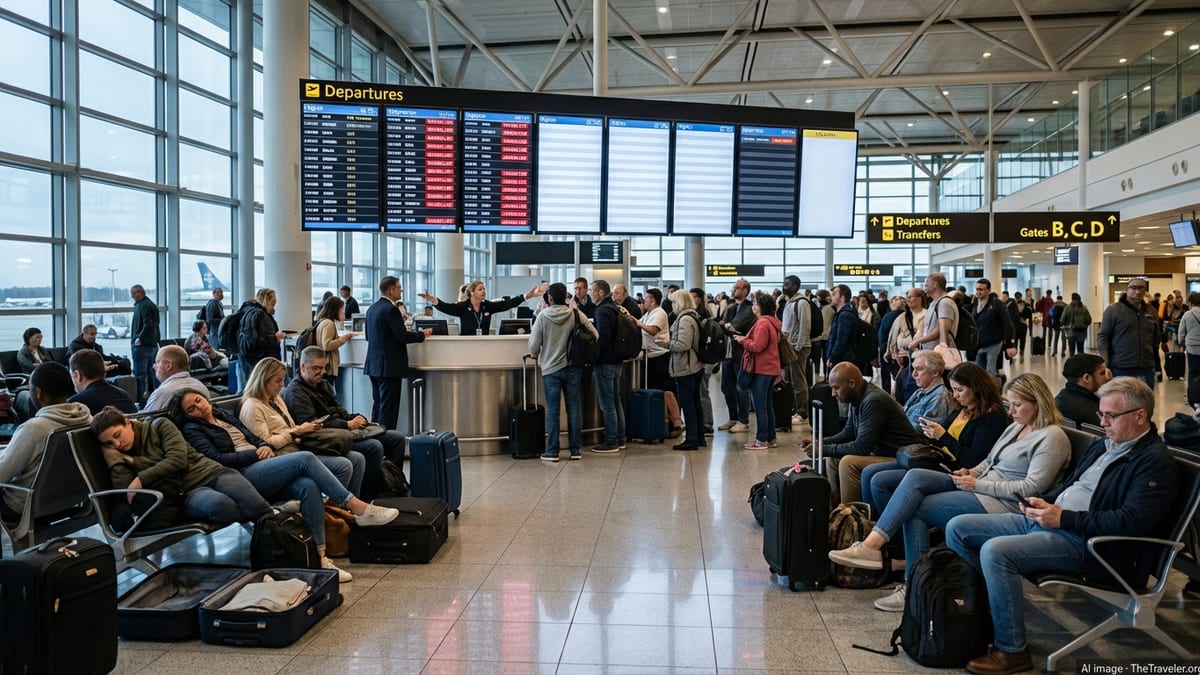
As of recent public advisories, major international airports including Riyadh King Khalid International and King Fahd International near Dammam have maintained operations, but travelers have been warned to expect intermittent delays or cancellations whenever security alerts rise or interception operations are underway. Passengers are being told to verify flight status frequently with airlines before heading to the airport.
Saudi carriers such as Saudia and Flynas, along with foreign airlines like Turkish Airlines and Air India, continue to appear in embassy contact lists as primary operators on routes linking Saudi Arabia with Asia and Europe. However, Korean government guidance stresses that schedules can change at short notice, and travelers may face diversions or reroutings if airspace restrictions expand.
For Koreans seeking to leave, publicly available safety notices recommend keeping identity documents and essential items ready, monitoring text and online updates from the embassy and consular services, and registering contact details so officials can share alerts about available flights or overland options out of the country.
Broader Regional Security Concerns for Korean Nationals
The decision to recommend departure from Saudi Arabia follows a series of broader regional assessments by Seoul on the security environment in the Middle East. Over recent months, the foreign ministry has convened joint situation review meetings with embassies and consulates across roughly 15 to 17 posts in countries including Saudi Arabia, Yemen, Iran, Israel, Jordan, Qatar, Oman and the United Arab Emirates.
Press materials summarizing these meetings point to several overlapping risks: continued hostilities involving Iran and its regional adversaries, higher volumes of missile and drone launches, and concerns about the safety of both air and sea corridors. Korean briefings have highlighted potential disruptions to flights that either operate within the region or use Middle Eastern airports as transit hubs for long-haul connections between Asia, Europe and Africa.
Red Sea and Bab el Mandeb shipping routes have also drawn attention in official statements, with policymakers noting that any attempted blockade or intensification of conflict there would have direct consequences for energy shipments and container traffic used by Korean companies. The intensified clashes between Saudi Arabia and Houthi forces feed into those broader strategic concerns.
For Korean nationals who travel frequently for business, construction projects or energy-sector work in the Middle East, the latest Saudi advisory serves as an indicator that similar alerts in neighboring states could be reviewed and adjusted if security conditions deteriorate further.
What Korean Travelers Should Consider Now
Public guidance from Seoul emphasizes that Korean nationals currently in Saudi Arabia should first verify that their contact details and travel plans are registered with the relevant embassy or consulate. This enables consular teams to distribute safety messages, gather information on local conditions and provide advice about exit routes if commercial options narrow.
Individuals planning new trips to Saudi Arabia are being told through official advisories to cancel or defer travel until the Level 3 alert is lifted or downgraded. For those who must travel due to essential business or family reasons, government notices stress the importance of monitoring security developments on a daily basis and checking both airline communications and consular updates before departure.
Korean travelers transiting other Middle Eastern hubs are also being encouraged, in public briefings, to build extra time into itineraries and prepare for potential last-minute changes in routing. Advisories warn that flight schedules across the region may be affected if airspace restrictions widen or if airlines revise operations in response to heightened risk around Saudi Arabia and neighboring states.
Overall, South Korea’s upgraded travel warning reflects a judgment that the security environment in Saudi Arabia has shifted toward broader, less predictable threats to civilian infrastructure and travel networks. For Koreans living in or traveling through the kingdom, the message is clear: leave if possible, postpone new trips, and pay close attention to rapidly evolving guidance from consular services and airline operators.