


More news on this day
Australian travellers are being urged to avoid Riyadh’s main airport after recent deadly attacks prompted a rare “do not travel” warning, disrupting popular connections between Australia, the Middle East and Europe.
Get the latest news straight to your inbox!
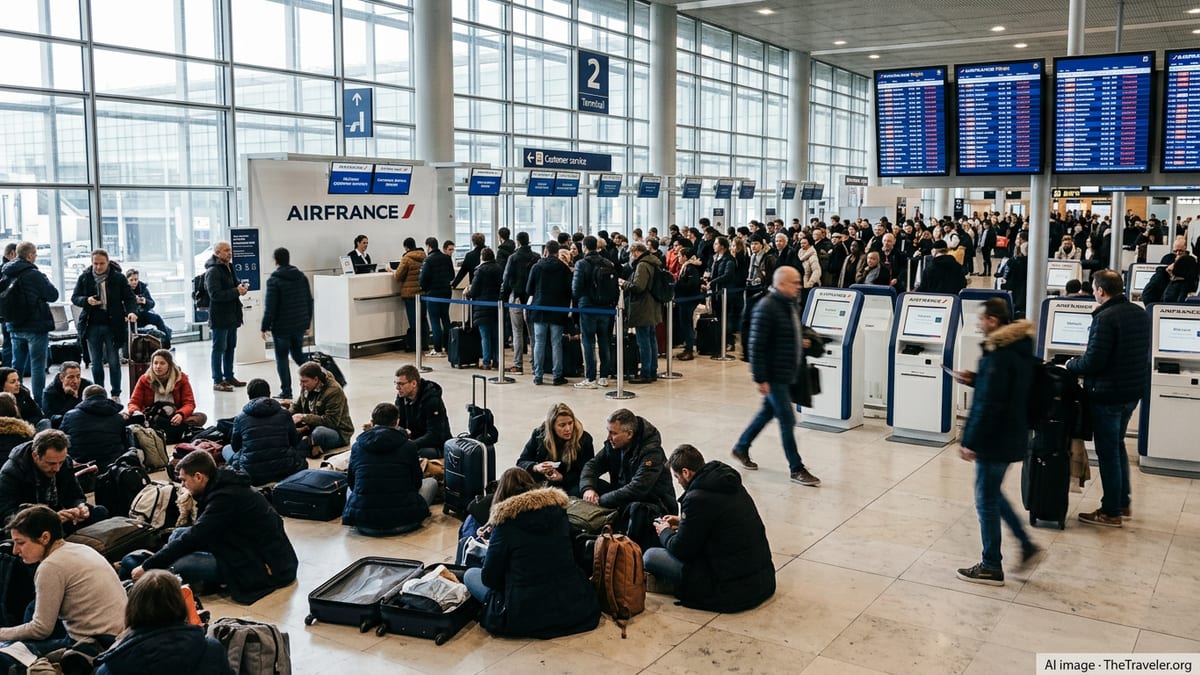
Deadly strikes trigger new airport warning
Australia’s Smartraveller service now advises “do not travel” to King Khalid International Airport in Riyadh, citing recent security incidents that have disrupted operations at one of Saudi Arabia’s key aviation hubs. Updated advice dated 12 October 2026 notes ongoing military strikes and reprisal attacks across Saudi Arabia, including in the capital and at regional airports.
The advisory follows a series of strikes attributed in public reporting to Yemen’s Houthi movement. Recent coverage indicates that at least 13 people were killed and more than 300 injured in one attack on Riyadh’s airport precinct, with a further strike days later leaving additional casualties. The Houthis have publicly threatened to continue targeting Saudi airports and airspace, exempting only facilities in Mecca and Medina, raising concerns about further disruption to civilian aviation.
Australian travel advice for Saudi Arabia overall remains at “reconsider your need to travel,” but the specific warning for King Khalid International Airport is stronger. Travellers who choose to proceed against the advice are urged by the government’s guidance not to leave for the airport until flights are reconfirmed with airlines or travel providers, and to minimise the time spent at any airport in the country.
The Riyadh alert sits alongside long‑standing “do not travel” warnings for several conflict‑affected locations, including Iran, Iraq, Lebanon, the Palestinian territories, Syria and Yemen, where Australian government advisories highlight the risks of armed conflict, terrorism, arbitrary detention and kidnapping.
What ‘do not travel’ means for Australian travellers
Australia’s travel advisory system uses four levels, with Level 4 representing the strongest language: “do not travel.” Official explanations of the scale state that at this level, travellers face an extreme risk of severe injury or death, imprisonment or kidnapping, and that sudden deterioration in security conditions can make departure difficult or impossible.
Publicly available guidance emphasises that government assistance is extremely limited in Level 4 destinations and that Australian officials require high‑level internal approval to enter such areas. Travellers are also warned that many insurers will not cover trips to destinations under a “do not travel” advisory, or may exclude claims arising from acts of war, terrorism or civil unrest.
For those already overseas when an advisory is upgraded, Smartraveller information suggests considering departure if it is safe to do so, avoiding known or potential targets such as transport hubs, tourist sites and large gatherings, and having contingency plans if airports or borders close without warning. Separate guidance dealing with unrest near airports notes that protests, security operations or attacks can rapidly halt ground transport and flights, leaving passengers stranded inside or outside terminals.
In practical terms, the Riyadh airport warning means that Australians who had planned to use King Khalid International as a transit point for Europe, Africa or the wider Middle East now face difficult choices. Some may be able to reroute via other hubs that currently carry a lower advisory level, while others may need to postpone or cancel trips altogether if alternative routing is not available or affordable.
Impact on popular Middle East transit routes
The latest Riyadh restrictions arrive amid a broader period of volatility for Middle East air corridors used by Australian travellers. Earlier this year, the Department of Foreign Affairs and Trade listed much of the region, including Dubai, under stronger warnings at the height of regional tensions, even as flights between Australia and Gulf hubs continued to operate and many passengers still transited through them.
Published coverage indicates that subsequent adjustments have eased some of the broadest restrictions. Recent notices show that travel advice for Bahrain, Israel, Kuwait, Qatar and the United Arab Emirates has been downgraded from Level 4 “do not travel” to Level 3 “reconsider your need to travel,” reflecting a somewhat reduced but still elevated risk profile. However, the explicit “do not travel” instruction now focused on Riyadh’s main airport underscores that conditions remain highly changeable across the region.
The Middle East has long played a central role in long‑haul connections from Australia, with airlines using hubs in cities such as Dubai, Doha and Abu Dhabi to link Australian capitals to Europe and parts of Africa. Disruptions to any major regional hub can increase pressure on alternative routes, potentially driving up fares and reducing flexibility for travellers who prefer to avoid certain airspaces or stopover points for security, ethical or insurance reasons.
Reports on recent conflicts and drone attacks near major airports also highlight risks that extend beyond a single terminal. Regional aviation safety agencies have, at various points, advised operators to avoid sections of regional airspace or to maintain higher cruising altitudes, measures that can add flying time and operational costs. Travellers deciding whether to proceed with booked itineraries are being encouraged in public advisories to remain in close contact with airlines and to monitor government alerts in the days before departure.
Insurance, airline policies and what travellers can do
The intersection of travel warnings, airline operations and insurance coverage is emerging as a key concern for Australians caught up in the latest Middle East airport alerts. Insurers frequently refer customers to official advisories when determining coverage, and information made public by both Smartraveller and insurance providers notes that standard policies may not respond if travellers enter or remain in destinations under a “do not travel” warning or if losses arise from declared acts of war or terrorism.
Advisories aimed at Australian consumers stress the importance of checking policy wording carefully, particularly for exclusions related to conflict, terrorism and government travel alerts. Some documents shared by insurers and travel agencies state that once a “do not travel” notice is issued for a location, cover for new bookings to that destination may be restricted or unavailable, while travellers already overseas may be eligible for limited assistance to depart but not for broader trip disruption or cancellation benefits.
Airlines retain discretion over whether to continue flying to or through affected airports, and publicly available timetables show that many carriers attempt to maintain limited services for as long as safety regulators permit. In the case of Riyadh, Smartraveller’s latest update advises Australians who travel despite the warning not to leave for King Khalid International Airport until they have reconfirmed their flight status with airlines or agents, suggesting that last‑minute schedule changes remain possible.
For Australians planning upcoming travel, risk management guidance from government sites recommends several steps: choosing routes that avoid the highest‑risk hubs where practicable, registering itineraries with the Smartraveller service, maintaining flexible bookings where possible, and keeping copies of key documents accessible if rapid changes are required. Businesses sending staff overseas are advised to conduct formal risk assessments that account for evolving security threats to airports and transport infrastructure.
Checking the latest advice before you fly
The situation surrounding Middle East airports illustrates how quickly travel conditions can change and how critical it is for travellers to verify information close to their departure date. Smartraveller’s destination pages for Saudi Arabia and nearby states are being updated regularly, and the advice level for a country or specific location can move up or down as security dynamics evolve.
Recent examples include the shift from blanket “do not travel” warnings for some Gulf states earlier this year to the current, more targeted combination of “reconsider your need to travel” for most of Saudi Arabia alongside the sharper “do not travel” directive for Riyadh’s main airport. Similar adjustments have occurred in other regions, such as long‑running Level 4 warnings that remain in place for Ukraine and parts of the Democratic Republic of the Congo.
Travellers are encouraged in public advisories to check the Smartraveller site both when booking and again shortly before departure, rather than relying on older information or social media accounts of conditions on the ground. Guidance covering protests and unrest also urges Australians to avoid large gatherings, stay alert around transport hubs, and have backup plans in case flights are cancelled or terminals are temporarily closed following an incident.
For Australians already overseas or with imminent departures routed through Riyadh, the current message from publicly available government material is clear: avoid King Khalid International Airport if at all possible, and if travel cannot be deferred or rerouted, engage closely with airlines, insurers and travel providers to understand the remaining risks and limitations on assistance should another attack occur.