


More news on this day
Thousands of travelers across the United States faced major disruptions as publicly available tracking data showed 4,879 flights delayed and 674 canceled, snarling operations at airports in Texas, Illinois, Colorado, Ohio, New York and other states and affecting services on Southwest, American, SkyWest, Delta, United and several regional carriers.
Get the latest news straight to your inbox!
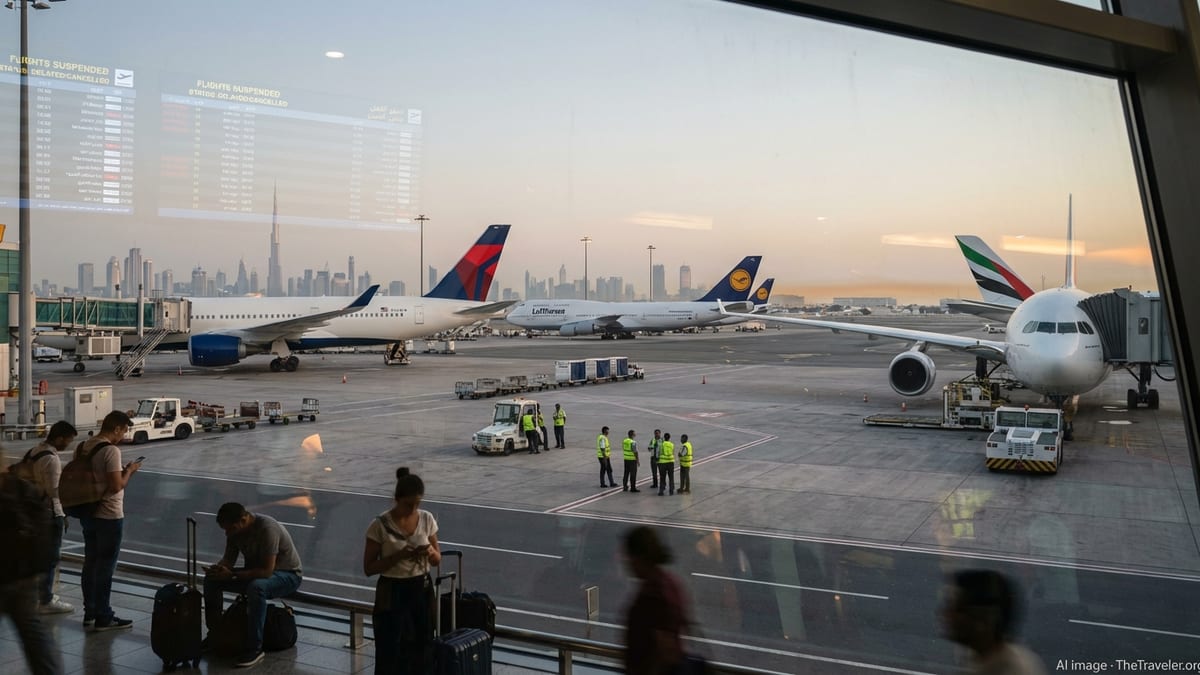
Major Hubs from Texas to New York Struggle to Keep Schedules Moving
The latest wave of disruption hit some of the nation’s busiest hubs, including airports in Dallas and Houston in Texas, Chicago in Illinois, Denver in Colorado, Cleveland in Ohio and the New York City area. Tracking platforms indicated that delays were concentrated at large connecting airports, where schedule changes quickly cascaded across the national network.
In Texas, Dallas Fort Worth International and nearby Dallas Love Field experienced extended departure queues and arrival holds as the day progressed, contributing to growing numbers of late departures and missed connections. Houston’s primary airports also reported mounting delays as congestion elsewhere in the system pushed back arrival and departure banks.
Chicago’s O’Hare International and Midway airports saw ripple effects from earlier operational challenges and weather systems in the Midwest. Even when local conditions improved, the backlog of aircraft and crews created knock-on delays for flights bound for smaller cities across the country.
In the Rocky Mountain region, Denver International once again emerged as a pressure point, with recent thunderstorms and intermittent ground stops feeding into today’s broader slowdown. Flights connecting through Denver to the West Coast, the Midwest and the South experienced rolling delays that pushed some departures into late evening.
Southwest, American, SkyWest, Delta and United Among Hardest Hit
Operational data showed that large network carriers bore the brunt of the disruption, given their extensive schedules and dependence on busy hubs. Southwest, American Airlines, Delta Air Lines and United Airlines all recorded substantial numbers of delayed flights, with regional operator SkyWest also appearing prominently in the statistics due to its role in operating flights under multiple big-brand banners.
Because SkyWest operates services marketed by several major airlines, delays on a single route often affected passengers booked under different carrier names. Travelers connecting from regional cities into hubs like Chicago, Denver, Dallas or New York frequently found that even short initial delays made tight connections unworkable.
Low-cost and ultra-low-cost carriers were not immune, but the structure of their point-to-point networks limited the visibility of their disruption in national aggregates. By contrast, the hub-and-spoke systems used by the biggest carriers meant a problem at a single airport could reverberate across dozens of spokes in a matter of hours.
For many travelers, the carrier name mattered less than the systemwide nature of the disruption. Publicly available information showed similar patterns of late arrivals and missed departure slots across multiple airlines, suggesting that traffic constraints and weather impacts at key nodes were as important as any individual airline’s internal challenges.
Weather, Congestion and Crew Positioning Combine to Create Gridlock
Weather remained a primary trigger for the disruption, particularly around Denver and parts of Texas and the Midwest, where storms and low visibility periodically slowed or halted operations. Ground stops, reduced arrival rates and rerouted traffic all contributed to longer taxi times and airborne holding patterns.
Once schedules began to slip, congestion and crew positioning problems compounded the impact. When inbound aircraft arrived late, outbound flights relying on the same planes and crews were often forced to wait, which then pushed those flights into already crowded departure banks at subsequent airports.
Industry analyses of past disruption events have highlighted how quickly such conditions can escalate, as each delay adds pressure to a fixed number of available runways, gates and air traffic control slots. Even modest weather disturbances or temporary power or systems issues at a single airport can trigger widespread problems when traffic volumes are high.
Today’s figures fit into a broader pattern observed in 2025 and early 2026, when federal transportation statistics showed elevated cancellation and delay rates compared with pre-pandemic norms. That context suggests that the system remains vulnerable to spikes in demand, staffing gaps and fast-changing weather conditions, particularly during shoulder seasons when cold fronts and severe storms are common.
Passengers Confront Long Lines, Missed Connections and Scrambled Plans
Inside terminals, the numbers translated into long lines at check in counters, rebooking desks and customer service kiosks. Travelers on multi-leg itineraries through Chicago, Denver, Dallas or New York were among the most affected, with many missing onward connections as first segments ran late.
Publicly available accounts from social media and travel forums described passengers sleeping on terminal floors, racing between gates as departure times repeatedly shifted, and waiting hours in call center queues to secure new itineraries. Some reported losing prepaid hotel nights, tours and rental car bookings when arrival times slipped from afternoon into the early hours of the morning.
Families traveling with children and older passengers found the disruption particularly challenging, as crowded terminals and limited seating made it difficult to rest. Travelers with tight timeframes for cruises, weddings or business meetings faced agonizing decisions over whether to wait out rolling delays or abandon trips altogether.
Even travelers whose flights ultimately operated on time often found themselves navigating packed security lines and congested boarding areas, as schedule changes elsewhere in the terminal reshaped passenger flows throughout the day.
What Travelers Can Do as Disruptions Persist
With federal data showing that elevated cancellation and delay rates have persisted into 2026, today’s problems underscored the importance of preparation. Travel experts frequently recommend booking earlier flights in the day, when aircraft and crews are more likely to be in position and the system has more time to recover from unexpected issues.
Passengers are also increasingly encouraged to download airline apps and sign up for text alerts to receive rapid notice of schedule changes. Same day rebooking tools within those apps can sometimes secure alternative routings more quickly than waiting in line at the airport.
Understanding basic passenger rights has grown more important as well. The U.S. Department of Transportation publishes guidance on circumstances under which travelers may be eligible for refunds, meal vouchers or hotel accommodations when flights are significantly delayed or canceled for reasons within an airline’s control.
For now, the latest figures on delays and cancellations show that air travel across the United States remains vulnerable to spikes in demand, volatile weather and infrastructure constraints. Travelers with upcoming itineraries through major hubs in Texas, Illinois, Colorado, Ohio and New York may benefit from monitoring conditions closely and building extra flexibility into their plans.