


More news on this day
Thousands of travellers across China are facing another bruising day of air travel disruption, with fresh data pointing to more than 500 delays and hundreds of cancellations affecting major carriers and hubs including Beijing, Chengdu and Changsha.
Get the latest news straight to your inbox!
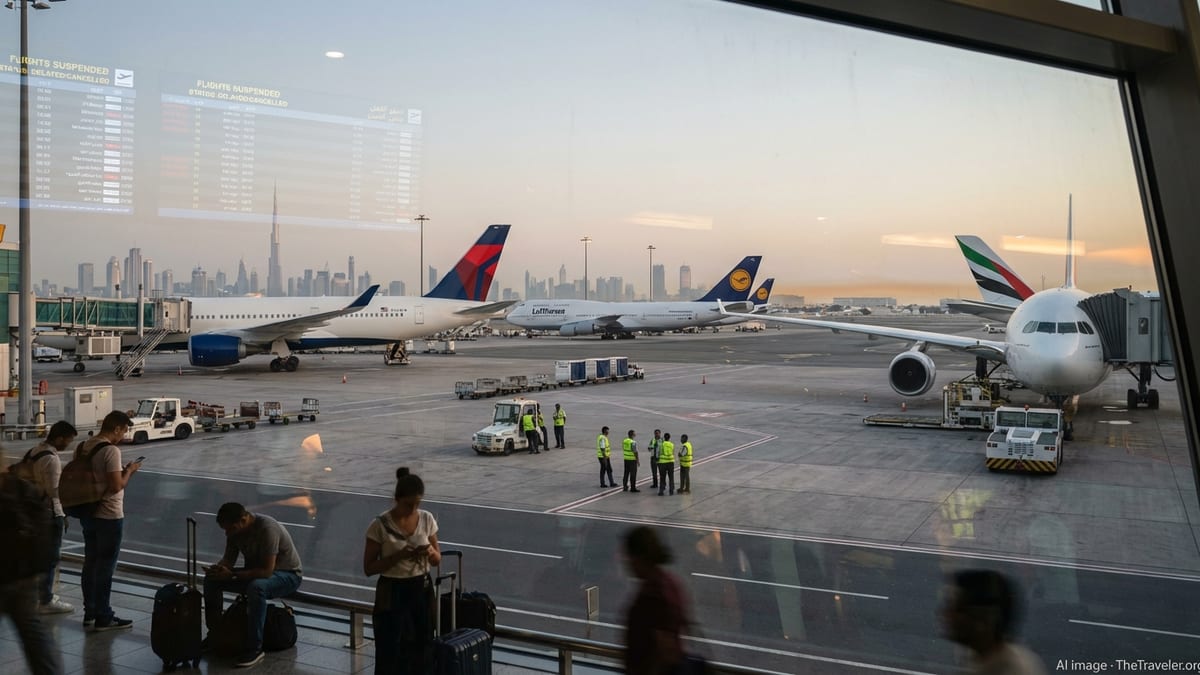
New Wave of Disruptions Hits China’s Air Network
Operational data compiled from flight tracking platforms and airline schedules for mid May indicates that Chinese airports have once again been gripped by large scale disruption, with at least 541 flights delayed and around 250 services cancelled across the domestic network. The ripple effects are being felt most acutely at major hubs serving Beijing, Chengdu, Changsha, Changzhou and other densely trafficked city pairs.
Publicly available information shows that the latest wave of delays follows a broader pattern of strain on China’s aviation system this year, as carriers ramp up post pandemic capacity into increasingly congested airspace. Recent analyses of disruption days in China have documented well over 1,000 affected flights at a time, suggesting that the current event fits within a series of recurring pressure points for operators and airports.
Reports from passenger rights platforms and travel industry outlets describe departure boards dominated by late running flights, extended ground holds and rolling knock on delays when aircraft and crews are left out of position. With many key routes operating near capacity, a relatively small disturbance in one hub can quickly cascade across the network, creating the kind of system wide chaos now unfolding.
While the precise breakdown between weather, air traffic control flow restrictions and airline operational challenges varies by airport, early indicators point to a familiar mix of thunderstorms, low visibility and temporary route restrictions aggravating already tight schedules. Observers note that such conditions tend to hit heavily banked morning and evening waves of departures especially hard, amplifying the disruption that travellers are currently experiencing.
Major Carriers Including Air China and China Eastern Affected
The latest disruption is impacting a broad swathe of Chinese and regional airlines, with network carriers Air China, China Eastern, China Southern and Shanghai Airlines among those reporting significant schedule changes alongside other domestic operators. Recent operational snapshots from prior disruption days have shown these airlines collectively accounting for hundreds of delayed and cancelled services, and early tallies for the current event point to a similarly uneven day of operations.
Data driven roundups published by air travel compensation and analytics firms in recent weeks have highlighted how large full service carriers often bear the brunt of such shocks, particularly at their primary hubs. China Eastern and Shanghai Airlines, for example, run dense schedules out of Shanghai’s dual airport system, while Air China and China Southern maintain expansive operations linking the capital region to cities across the country. When bottlenecks form at these hubs, the impact quickly flows across their domestic and regional networks.
Low cost and regional carriers are also feeling the strain. Reports indicate that airlines such as Spring Airlines, Juneyao Airlines and others operating into the affected cities are seeing higher than usual rates of delayed departures and arrivals. These operators sometimes have less slack in their fleets, meaning a single aircraft or crew disruption can force difficult decisions between preserving trunk routes or cutting lower volume services.
Publicly available operational policies from major Chinese airlines emphasise their commitment to taking all reasonable measures to avoid delays and cancellations, but they also note that factors such as severe weather and airspace restrictions can limit what carriers are able to control. In such circumstances, the focus typically shifts from preventing disruption to managing rebooking, customer care and recovery of the schedule once conditions stabilise.
Beijing, Chengdu and Central China Hubs Under Pressure
Among the most affected cities in the latest episode are Beijing and Chengdu, both of which serve as critical junctions in China’s domestic air network. Beijing’s dual airport system handles an enormous volume of traffic linking the capital to every province, while Chengdu functions as a key gateway to the country’s southwest. Travel industry coverage of recent disruption days has repeatedly flagged these airports as hotspots where weather systems and traffic management constraints can quickly create bottlenecks.
Central China hubs such as Changsha and fast growing secondary cities like Changzhou are also caught up in the latest wave of delays and cancellations. Operational data compiled this spring by travel intelligence outlets has shown that when Beijing and the Yangtze River Delta region slow down, knock on effects are often most visible at these secondary hubs, which depend heavily on connecting traffic and tight turnarounds.
In practical terms, travellers passing through these airports are encountering long queues at check in and transfer counters, packed gate areas and busy customer service desks as airlines work through rebooking backlogs. With many flights departing late or being consolidated, passengers who miss connections can find themselves facing lengthy waits for the next available seat, particularly on popular trunk routes linking major business and tourism centres.
Some travellers are seeking alternatives on high speed rail for medium haul domestic journeys, a trend that has been visible during previous disruption spikes. China’s extensive rail network offers multiple daily services on key corridors such as Beijing to Shanghai or Chengdu to Chongqing, providing a fallback for those able to switch modes at short notice. However, for longer sectors or trips requiring international connections, the options are more limited, leaving many passengers dependent on airlines’ recovery plans.
Weather, Airspace Controls and Structural Strain Combine
While a full post event analysis of the current disruption will take time, patterns from similar episodes in recent months point to a mix of immediate triggers and deeper structural issues. Weather remains a recurring problem, particularly during the spring and summer storm seasons when convective systems, fog and low cloud frequently affect East and Central China. Travel industry reports have documented multiple days where thunderstorms alone have forced hundreds of delays across Shanghai, Guangzhou, Shenzhen and Beijing.
Air traffic control flow management measures add another layer of complexity. China’s busy airways are subject to capacity restrictions that can tighten further when military airspace is active or when routes are temporarily closed. On earlier disruption days documented by aviation analytics firms, capacity cuts and reroutings over the Yangtze River Delta and Pearl River Delta regions have led to holding patterns, extended taxi times and slot reductions that ripple across carriers’ operations.
These acute pressures sit atop structural constraints that have been building as China’s domestic air market rebounds. Airlines have restored or added thousands of weekly seats, but airport infrastructure, runway capacity and available airspace have not always kept pace. As a result, the system is more vulnerable to shocks, whether they come from a fast moving storm front, a technical outage in an airport system or a surge in peak period demand around holidays and weekends.
Recent coverage in specialist travel media has also highlighted the role of tight crew scheduling and aircraft utilisation in amplifying disruption. When fleets are scheduled with minimal slack to maximise efficiency, an early morning delay can leave an aircraft running behind schedule all day. By evening, this can translate into rolling knock on delays across several cities, ultimately contributing to the kind of network wide figures now emerging for delays and cancellations.
What Travellers Can Expect in the Coming Days
With airlines and airports still working through the backlog of disrupted flights, travellers booked on domestic routes in China over the next 24 to 48 hours may continue to feel the effects of the current chaos. Recovery operations typically focus on restoring core trunk routes between major hubs, which can leave thinner secondary routes more vulnerable to last minute timetable changes as carriers juggle aircraft and crew.
Passenger advocates and travel industry guides generally advise monitoring airline apps and flight trackers closely on days like this, rather than relying solely on printed itineraries or early morning departure boards. Same day schedule changes have become more common during periods of heightened disruption, and travellers who stay informed are often better able to re route or adjust plans quickly when opportunities arise.
In previous disruption events documented this year, airlines have varied in how proactively they communicate with customers about options such as free changes, refunds or accommodation assistance. Some carriers have issued broad fee waivers covering affected travel dates and routes, while others have handled requests on a case by case basis. Analysts expect a similar patchwork of responses this time, shaped by each airline’s policies, operational flexibility and the scale of the disruption it faces.
For now, the latest wave of delays and cancellations underscores how sensitive China’s rapidly recovered air travel sector remains to weather and operational shocks. As the busy summer travel season approaches, both travellers and industry observers will be watching closely to see whether further investment in resilience and capacity can reduce the frequency and severity of such chaotic days in the skies.