


More news on this day
Air travelers moving through Detroit and other major U.S. hubs on May 19 faced mounting disruptions, with publicly available tracking data showing 164 flight delays and six cancellations affecting services operated by Delta Air Lines, SkyWest, Endeavor Air, American Airlines and Southwest Airlines across Detroit, Chicago, Atlanta and additional cities.
Get the latest news straight to your inbox!
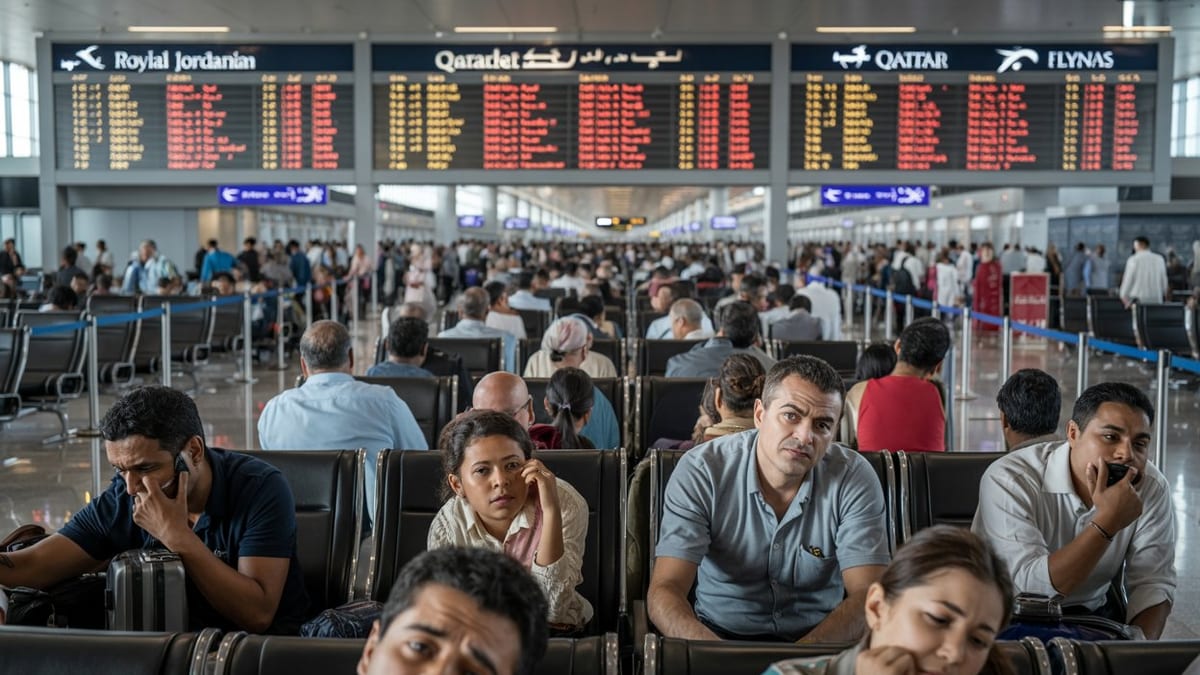
Detroit at the Center of a Widening Disruption
Detroit Metropolitan Wayne County Airport continued to experience operational strain on May 19, reflecting its position as a major hub in the national air network. Data from flight-tracking and schedule services indicated a concentration of delayed departures and arrivals touching Detroit, including mainline operations and regional affiliates that connect smaller markets to the city’s extensive route map.
Delta Air Lines, the dominant carrier at Detroit, featured prominently in the disruption picture as delays on both domestic and connecting routes rippled through the day. Operations by SkyWest and Endeavor Air, which fly numerous regional routes under the Delta brand, added to the volume of affected flights as late inbound aircraft and congestion elsewhere in the system slowed turnaround times.
The pattern in Detroit reflected what travelers were seeing across other large hubs, with delays and a limited number of cancellations arising not from a single cause but from a mix of scheduling pressure, network congestion and knock-on effects from earlier irregular operations. Passengers connecting through Detroit to cities such as Chicago, Atlanta and mid-continent destinations reported extended waits and rebookings as carriers worked to absorb the backlog.
Impact Spreads Through Chicago, Atlanta and Other Hubs
The disruption extended beyond Michigan, with Chicago and Atlanta emerging as key pressure points. These airports serve as critical junctions for national traffic flows, and delays on flights to and from Detroit contributed to a wider network slowdown. Published coverage and aviation data showed late departures building through the day, particularly on routes linking major hubs where tight schedules left little margin for recovery.
In Chicago, both O Hare and Midway experienced rolling departure and arrival delays as aircraft arriving late from cities including Detroit and Atlanta compressed already busy schedules. Carriers adjusting gate assignments and turnaround windows sought to keep aircraft moving, but the cumulative effect of earlier late flights limited flexibility by the afternoon and evening peaks.
Atlanta, one of the country’s largest connecting hubs, also saw delayed departures to Detroit and other Midwestern and East Coast cities. Even when individual flights operated on time, late inbound aircraft and crew rotations elsewhere in the network meant passengers were still dealing with missed connections and rebooked itineraries, illustrating how a relatively small number of cancellations can still translate into widespread inconvenience.
Major Carriers and Their Regional Partners Under Strain
Publicly available information pointed to Delta, SkyWest, Endeavor Air, American Airlines and Southwest Airlines as key carriers involved in the disruption pattern. Some of the affected flights were mainline services operating between primary hubs, while others were regional flights marketed by the major airlines but flown by partner carriers under capacity purchase or codeshare arrangements.
SkyWest and Endeavor Air, which operate extensive Delta Connection networks, play an outsized role in feeding passengers into and out of Detroit, Chicago and Atlanta. When regional aircraft arrive late, the resulting squeeze on short ground times often cascades into subsequent departures, increasing the likelihood of missed connections on onward journeys operated by larger jets.
American Airlines and Southwest Airlines added to the overall disruption picture at Chicago and other large airports, as their own networks intersected with the same congested airspace and ground infrastructure. Although each carrier’s delay and cancellation figures were only a portion of the national total, the combined effect was evident in crowded gate areas, rolling gate changes and revised boarding times at multiple airports.
How 164 Delays and 6 Cancellations Ripple Through the System
While the tally of 164 delays and six cancellations may appear modest compared with the thousands of flights that operate nationwide each day, the structure of the U.S. hub-and-spoke system means even a limited number of problem flights can generate outsized disruption. Each delayed departure can affect dozens or hundreds of passengers, many of whom rely on tightly timed connections at hubs such as Detroit, Chicago or Atlanta.
Once a flight is delayed, crews and aircraft assigned to later legs of the day often reach their next departure points behind schedule. This dynamic is especially pronounced on regional routes, where aircraft may be scheduled to operate several short segments in quick succession. As those delays stack up, airlines can face difficult decisions about whether to push back departure times further, substitute aircraft or cancel individual flights to protect the broader schedule.
Historical data published by the U.S. Department of Transportation show that late-arriving aircraft and broader national aviation system issues consistently rank among the leading contributors to delays. When these factors combine with busy travel periods, capacity constraints on popular routes and the interconnected nature of hub operations, a localized problem can swiftly expand into a multi-city challenge.
What Travelers Moving Through Detroit and Other Hubs Are Facing
For passengers traveling through Detroit, Chicago, Atlanta and other affected cities on May 19, the operational picture translated into longer-than-expected waits at gates, tighter layovers and uncertainty around final arrival times. Travelers on both business and leisure itineraries encountered departure boards populated with revised timings and occasional cancellations that required rapid rearrangement of plans.
Reports from airports and social media posts highlighted passengers queuing at customer service desks, using airline apps to seek earlier rebookings and monitoring seat availability on alternate routings. With many of the delays concentrated on high-demand hub-to-hub corridors, options to switch to other flights were sometimes limited, particularly during peak periods when aircraft were already close to full.
Aviation consumer advocates frequently advise travelers facing similar disruption patterns to check flight status early and often, allow additional connection time when routing through busy hubs such as Detroit, Chicago or Atlanta, and review airline policies on rebooking, meal vouchers and hotel accommodation during significant delays. On days when multiple carriers are simultaneously affected, preparation and flexibility can be crucial for minimizing the impact of network-wide irregular operations.