


More news on this day
Clark Freeport Zone in Pampanga is accelerating its transformation from a former United States air base into one of the Philippines’ fastest-rising tourism gateways, as new routes from Japan Airlines join expanding services by United Airlines, Cebu Pacific, Korean Air, Philippine Airlines and AirAsia to draw record numbers of visitors from South Korea, the United States, Japan, Australia, India and China into Clark International Airport.
Get the latest news straight to your inbox!
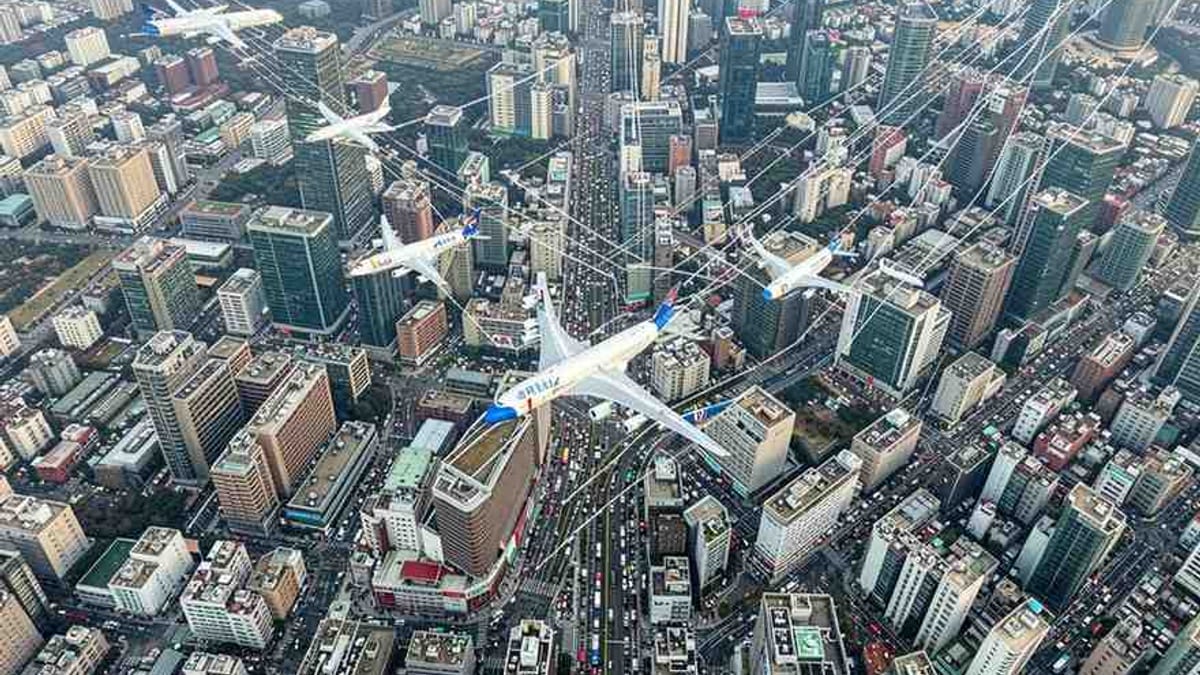
Clark International Airport Emerges as Northern Philippines Gateway
Located about 80 kilometers north of Manila within the Clark Freeport Zone, Clark International Airport has been steadily positioned as the Philippines’ second major international gateway. Publicly available information describes the airport as a modern hub with a new passenger terminal that opened in 2021, designed to handle several million passengers a year while relieving congestion at Manila’s Ninoy Aquino International Airport.
Clark occupies much of the former Clark Air Base, once the largest overseas facility of the United States Air Force before its turnover to the Philippine government in the early 1990s. Since then, the surrounding area has been redeveloped into a special economic and freeport zone anchored by the airport, new expressways and large-scale tourism, leisure and business investments.
Airport data and industry guides indicate that Clark now handles an expanding mix of domestic and international services, functioning as a practical access point for travelers from Central and Northern Luzon. The combination of a newer terminal, shorter queues and proximity to major road networks is drawing more airlines and passengers who seek an alternative to Manila’s busier primary gateway.
As passenger volumes climb toward the new terminal’s design capacity, the airport’s growth is increasingly linked to the broader development of the Clark Freeport Zone, including hotels, golf courses, casinos and business parks that serve both local and foreign visitors.
Japan Airlines Joins Expanding List of International Carriers
In this environment of rapid expansion, Japan Airlines has become one of the newest full-service carriers to mount services at Clark, reinforcing the airport’s growing profile in Northeast Asia. Industry reporting and route-monitoring platforms show that JAL’s Clark operations complement the already-strong presence of Japan-focused flights run by Philippine carriers and low-cost competitors, broadening options between Luzon and key Japanese cities.
The entry of Japan Airlines adds a major oneworld carrier to a roster that already includes United Airlines from the United States, Korean Air and other South Korean operators, as well as Cebu Pacific, Philippine Airlines and AirAsia. This mix of full-service and low-cost airlines provides a range of price points and connectivity options that appeal to both holidaymakers and business travelers.
Route data suggest that the Clark–Japan market is being built on robust outbound demand from Filipino travelers, combined with rising inbound interest from Japanese visitors seeking golf, resort stays and investment opportunities within the Freeport Zone and nearby destinations such as Subic Bay and Northern Luzon highlands.
With Japan Airlines now in the picture, Clark is better positioned to link seamlessly with extensive onward networks in Japan and beyond, strengthening its role as a regional transit and tourism node rather than merely a secondary Philippine airport.
United, Cebu Pacific, Korean Air, Philippine Airlines and AirAsia Drive Traffic Surge
Alongside Japan Airlines, a cluster of established carriers has been instrumental in driving Clark’s passenger boom. Public schedules and official airline information show United Airlines providing a direct bridge to the United States via its Pacific network, while Cebu Pacific has rebuilt Clark as a strategic hub with multiple domestic and international routes following the reopening of its Pampanga base.
Cebu Pacific’s service from Clark to destinations such as Narita, Incheon and various Philippine islands has been highlighted in Philippine aviation and tourism coverage as a key factor in dispersing tourists beyond Manila and into regional centers. Philippine Airlines, meanwhile, operates selected domestic and regional flights from Clark, including services to South Korea, providing higher-yield alternatives and connectivity to its broader long-haul network.
Korean Air and other Korean low-cost carriers are particularly important to Clark’s route map, as South Korea remains one of the Philippines’ largest tourism and expatriate source markets. According to published industry analyses, the Incheon to Clark sector is among the airport’s busiest, helping sustain a steady flow of Korean golfers, leisure groups and business travelers into the Freeport Zone and neighboring resort areas.
AirAsia, which began its Philippine operations from Clark, continues to operate a mix of domestic and regional flights that support budget-conscious travelers. Together, these airlines are increasing frequencies, adding near-term seasonal capacity and experimenting with new point-to-point connections that collectively lift Clark’s profile on regional route maps.
Tourists From Six Key Markets Flock to Clark
The combined efforts of these carriers are reshaping inbound tourism patterns to the Philippines, with Clark emerging as a front door for visitors from South Korea, the United States, Japan, Australia, India and China. Tourism and travel-market assessments point to South Korea as the single most influential source market for Clark, with high-frequency flights from Seoul helping establish a well-traveled corridor for leisure and education-related visits.
Visitors from Japan are increasingly drawn by Clark’s resort hotels, casino facilities and golf courses set within the former air base, while American travelers benefit from more direct routing to Central Luzon’s growing industrial zones and tourism sites. Analysts note that as United Airlines and other transpacific carriers strengthen their networks, Clark becomes more accessible to US-based Filipino communities and long-haul holidaymakers looking to bypass Manila’s congestion.
Australia, India and China are seen as emerging growth markets for Clark. Even where direct services are still limited or seasonal, route planners and tourism promoters identify Clark’s connectivity via regional hubs such as Seoul, Tokyo, Taipei and Kuala Lumpur as a way to tap rising outbound travel from these countries. This connecting-traffic dynamic is beginning to complement pure point-to-point demand, adding resilience to Clark’s route portfolio.
Within the Philippines, the catchment area for Clark stretches northward to cities such as Baguio and westward toward the Zambales coast, bringing a sizable population of students, professionals and overseas workers into the airport’s core market. This diversified base underpins year-round demand, which is attractive to airlines considering further route launches.
Old US Air Base Recast as an Unstoppable Tourism Powerhouse
The broader Clark Freeport Zone is evolving in step with the airport’s rise. Government documents and investment reports describe Clark as a multiuse hub for business, aviation, education and leisure, with a growing inventory of resort hotels, convention venues, sports facilities and entertainment complexes within minutes of the terminal.
The area’s master-planned roads and utilities, along with continuing investments in rail and expressway projects, are designed to make Clark a self-contained gateway city. Planners envision visitors flying directly into Clark International Airport, staying in nearby resorts, attending conferences or sporting events and then exploring wider Central Luzon without passing through Manila.
Recent business coverage indicates that passenger traffic at Clark is expected to continue climbing, supported by flight transfers from Manila, new international routes and broader tourism campaigns focused on the Freeport Zone. As airlines vie for slots and seek alternatives to saturated primary hubs, Clark’s available capacity and pro-growth regulatory environment offer a compelling proposition.
With Japan Airlines joining an already strong line-up that includes United Airlines, Cebu Pacific, Korean Air, Philippine Airlines and AirAsia, the former US air base is being recast as a competitive regional gateway. For travelers from South Korea, the United States, Japan, Australia, India and China, Clark International Airport is rapidly shifting from a niche alternative to a front-line entry point into the Philippines’ expanding tourism landscape.