


More news on this day
Late summer in New England is emerging as prime time for coastal escapes, with travelers looking beyond Boston to classic beach towns such as Ogunquit, Kennebunkport and Cape Cod villages for cooler temperatures, walkable streets and still-warm Atlantic waters.
Get the latest news straight to your inbox!
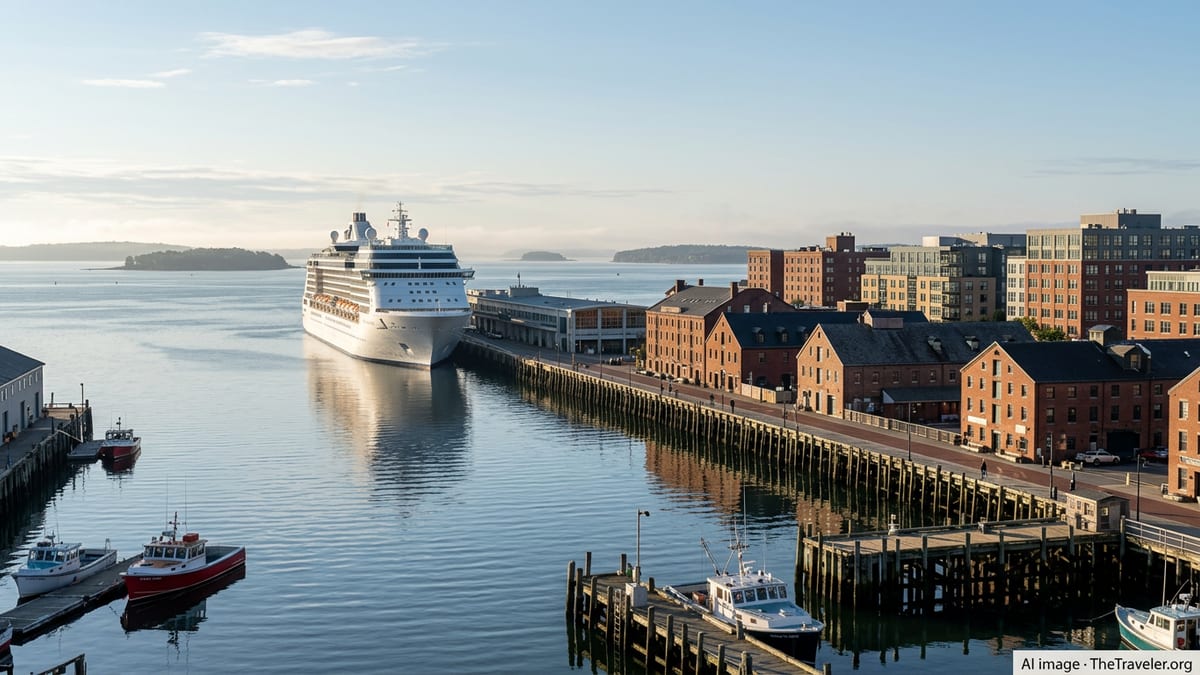
Boston Travel Guide Puts Ogunquit in the Spotlight
A spring 2026 Boston travel guide aimed at visitors to the city is helping steer late summer interest north toward Ogunquit, the compact southern Maine resort town known for its sand beach, cliffside Marginal Way path and busy Perkins Cove waterfront. The guide highlights Ogunquit as a feasible side trip from Boston, drawing attention to its combination of small-town scale and resort infrastructure at a time when coastal demand remains high.
Publicly available visitor information presents Ogunquit as a longtime New England favorite, with repeat guests drawn by its broad main beach, seasonal trolley service and mix of inns and rental cottages. The town’s walkability and concentration of restaurants and galleries make it appealing for travelers who want to park the car and stay put once they arrive.
Regional travel coverage has for years placed Ogunquit near the top of New England beach rankings, often citing its deep sand, relatively gentle surf and family-friendly facilities. That existing reputation, combined with fresh visibility in Boston-focused material for 2026, is positioning the town as a natural add-on for city breaks as the peak summer rush eases.
Travel planners note that late August and early September trips from Boston to southern Maine can be completed in a few hours by car, shifting the town from stand-alone destination to part of a multi-stop itinerary that may also include Portsmouth, the New Hampshire Seacoast and coastal Massachusetts communities.
Late Summer Demand Shifts Beyond Major Hubs
Across New England, coastal visitor patterns in 2026 indicate that travelers are increasingly looking past the best-known hotspots such as central Cape Cod, downtown Newport and the islands during the most crowded weeks of July and early August. Reports from regional tourism organizations describe stronger interest in smaller harbor towns and secondary beaches that can offer a similar sense of place with fewer crowds and somewhat softer prices.
Coverage of Massachusetts coastal trends this year points to Rockport, Gloucester, Newburyport and Scituate as examples of communities seeing solid summer numbers as visitors widen their search radius from Boston. Beaches such as Good Harbor and Wingaersheek on Cape Ann are frequently cited in local reports as family favorites that remain busy well into September, supported by a mix of day-trippers and weeklong renters.
Further north, New Hampshire’s limited but popular Seacoast and southern Maine’s line of small beach towns often capture late-season interest from Boston-area residents who have already made one or two peak-season trips farther afield. Regional analysis suggests that travelers are testing new locations for long weekends rather than returning to the same marquee towns year after year.
Industry commentary also notes that late summer travel is being buoyed by calendar shifts and flexible work. With many New England schools resuming after Labor Day and hybrid schedules allowing midweek departures, coastal stays in the final weeks of August and early September are increasingly framed as “second summer” or “locals’ summer,” extending the traditional season.
Weather, Ocean Temperatures and the Appeal of September
Destination marketing materials for coastal New England consistently emphasize that August and early September bring the warmest ocean temperatures of the year, typically in the mid-60s Fahrenheit along much of the Massachusetts and southern Maine shoreline. Travel writers covering the region point out that those water conditions, paired with slightly cooler air and lower humidity after mid-August, create some of the most comfortable beach days of the season.
For visitors who are less attached to traditional school calendars, those conditions are encouraging a shift away from mid-July peaks. Commentators in consumer travel features describe September as one of the best months for New England beach trips, with restaurants and seasonal businesses still operating at near-full capacity while crowds on the sand thin out.
Local trip-planning advice often refers to this period as a chance to experience “quintessential” coastal New England without high-season congestion, particularly on weekdays. Lodging availability tends to improve after the Labor Day weekend, and some properties quietly adjust nightly minimums or introduce shoulder-season specials to keep occupancy steady.
At the same time, travel forums and planning guides caution that late-season visitors should check ferry timetables, tour schedules and event calendars closely for destinations such as Cape Cod, Nantucket and Martha’s Vineyard, where some services begin to scale back in late September even as weather remains pleasant.
Ogunquit and Its Neighbors Compete on Experience
Within this wider late-summer landscape, Ogunquit is competing with a cluster of New England beach towns that offer similarly walkable centers, traditional architecture and a mix of independent lodging. Coverage from national travel magazines and regional publications regularly highlights Kennebunkport, Old Orchard Beach, Newport and parts of Cape Cod among the most appealing alternatives for an Atlantic-facing holiday.
In Kennebunkport, small inns and oceanfront resorts overlook sheltered coves and rocky shoreline, with docks supporting lobster excursions and scenic cruises. To the south, Cape Cod communities such as Falmouth, Chatham and Provincetown capture visitors with rail trails, harborfront promenades and long stretches of dune-backed sand, while Connecticut and Rhode Island shore towns attract a mix of seasonal renters and weekenders from metropolitan New York and Boston.
Travel and leisure titles that compile annual lists of New England beach escapes often balance Ogunquit against these peers on metrics such as ease of access from major airports, density of dining options, availability of car-free activities and perceived authenticity. Ogunquit’s car-light center and the Marginal Way oceanfront path routinely receive special mention as assets for visitors seeking a slower-paced stay.
Late summer programming, including small arts events, dining promotions and outdoor performances, also plays a role in keeping these towns competitive once school holidays wind down. Public information from local chambers and business groups suggests that many coastal communities have expanded shoulder-season calendars in recent years to capture travelers staying beyond the traditional August cutoff.
Planning a Late Summer Coastal Itinerary from Boston
With Boston as a primary arrival point for both domestic and international visitors, late summer itineraries increasingly pair the city’s cultural attractions with one or two compact beach stays. Travel planners typically recommend allowing at least three nights at the coast to justify the transfer, especially when factoring in weekend traffic along major routes such as Interstate 95 and Route 1.
For Ogunquit, current guidance commonly suggests midweek arrivals to reduce congestion at highway chokepoints and to improve chances of securing preferred lodging. Parking limitations in the town center encourage travelers to choose accommodations within walking distance of the beach or trolley stops, especially during the final busy weeks of August.
Travel coverage notes that late summer visitors are placing a premium on experiences that do not require extensive driving once they reach the coast. In Ogunquit and similar towns, that often means sunrise walks on the sand, afternoon gallery browsing, short boat excursions and evening restaurant-hopping within compact, pedestrian-friendly districts.
Regional tourism materials indicate that, as New England beach towns refine their late-season offerings, coastal escapes anchored by Ogunquit and its neighbors are likely to remain a strong complement to Boston city breaks through the end of the 2026 summer period.