


More news on this day
Travelers moving through Hampton Roads this spring are beginning to see signs of a shifting transportation landscape, as new rail initiatives and planning efforts converge on a vision that could fundamentally change how people commute across Coastal Virginia.
Get the latest news straight to your inbox!
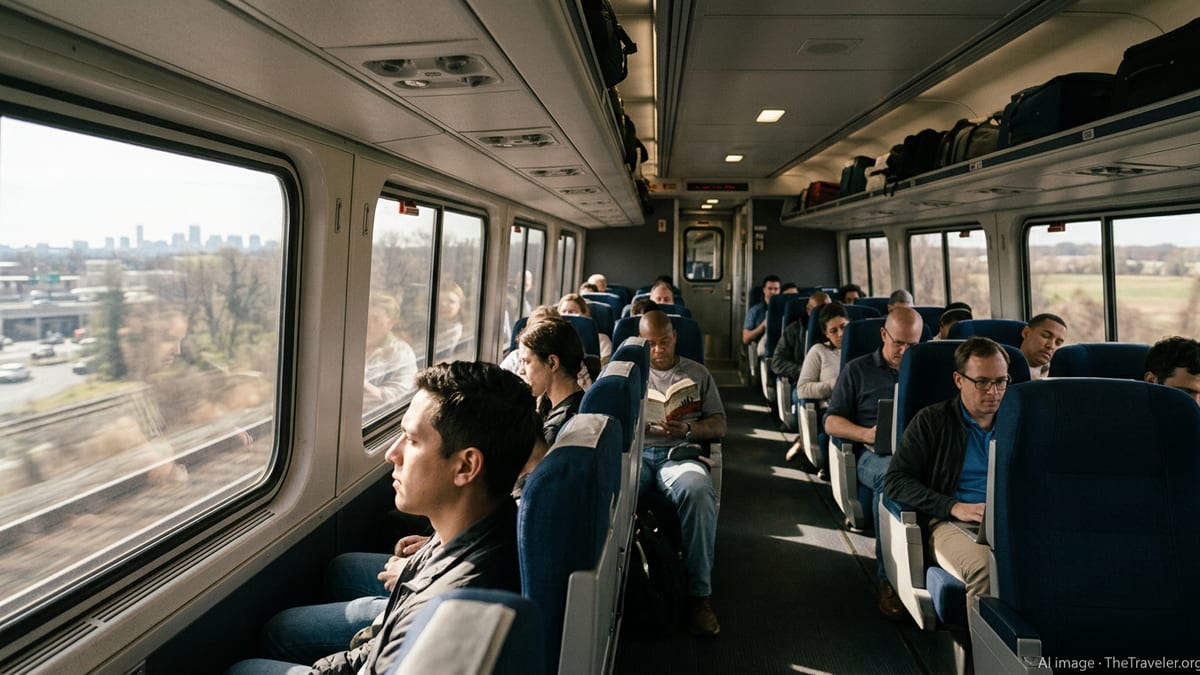
A Region Where Rail Is Finally Gaining Ground
Hampton Roads has long depended on highways and bridge-tunnels, leaving daily commuters vulnerable to congestion and delays. Recent planning documents and project updates now point to a stepped-up focus on rail as a way to ease roadway pressure and offer more predictable travel times between key coastal cities.
Publicly available information from the Hampton Roads Transportation Planning Organization indicates that the latest long range transportation plan through 2045 places significant emphasis on multimodal travel, including higher speed and intercity passenger rail connections that would link the region more directly with Richmond and the Northeast Corridor. Those concepts build on the state’s broader Transforming Rail in Virginia program, which is expanding passenger capacity between Washington, DC and Richmond and is expected to improve onward connections to Hampton Roads.
For everyday travelers, the most visible effects so far are the growing role of Amtrak Virginia services at the Norfolk and Newport News stations and the ongoing development around the new Newport News Transportation Center, an intermodal hub designed to tighten the link between rail, local buses and nearby highways. Reports indicate that Amtrak ridership serving Virginia has been climbing in recent years, a trend that regional planners say supports more frequent and better coordinated service.
As these pieces come together, residents navigating the I 64 corridor or crossing the Hampton Roads Bridge Tunnel are watching closely for signs that rail could become a reliable alternative to often unpredictable drive times.
New Traffic Modeling and a Different Way to Move
Behind the scenes, planners are relying on a new generation of regional traffic and travel demand models that treat rail as a central part of future mobility, not a niche option. Documentation from the region’s scenario planning work shows that future networks are being tested with assumptions about expanded passenger rail and high capacity transit, alongside ongoing road improvements.
These technical models simulate how commuters might shift from cars to trains if travel times become more competitive, stations are easier to reach, and connecting bus or shuttle services are more seamless. In Hampton Roads, where multiple waterways slice through urban areas, rail lines and dedicated rights of way are seen as tools for bypassing recurrent chokepoints that no longer have room for major new highway lanes.
The move to embed rail in traffic modeling also reflects the creation of the Virginia Passenger Rail Authority, which is charged with coordinating investments across the state’s intercity network. According to published coverage, that structure is helping align Hampton Roads plans with projects now under way in the Richmond and Washington corridors, so that regional trains can slot into a broader, integrated system rather than operating as isolated services.
For travelers, the result could be a rail traffic environment where train movements, freight operations and highway flows are managed more cohesively, with schedules and infrastructure designed to support higher volumes and more frequent departures.
Local High Capacity Transit Studies Reshape Expectations
At the metropolitan level, Hampton Roads Transit and the City of Norfolk are advancing studies of a possible extension of The Tide light rail line toward Naval Station Norfolk, one of the region’s largest employment centers. Project materials describe a high capacity transit corridor that would link downtown Norfolk and the existing light rail system with important intermediate destinations such as Military Circle.
The Tide currently runs from the Eastern Virginia Medical Center area through downtown Norfolk to Newtown Road near the Virginia Beach line. The proposed extension scenarios under environmental review examine how additional dedicated guideway segments or priority treatments could move higher volumes of riders more quickly than traditional bus routes, effectively forming the backbone of a new urban rail traffic system for the core of Hampton Roads.
Publicly available information on the Naval Station Norfolk transit study notes that the project team is gathering data on travel patterns, potential station locations and environmental impacts to narrow down a preferred alternative. While funding and final design decisions remain ahead, the study has already begun to reframe discussions about how workers, students and military personnel might access one of the country’s largest naval installations without relying solely on personal vehicles.
For travelers who already use The Tide for downtown trips or events, the possibility of a direct or near direct rail link to the base suggests a very different commuting landscape in the years ahead.
Connecting Peninsula and Southside Through New Passenger Rail Concepts
Regional planning documents highlight several unfunded but detailed concepts that, taken together, resemble a future Hampton Roads rail traffic grid. Among these are a proposed Peninsula commuter rail service between Newport News and Williamsburg and higher speed and intercity passenger rail projects that would improve travel between Hampton Roads, Richmond and points north.
The Peninsula commuter rail idea, listed in the regional transportation vision plan, would overlay dedicated or enhanced rail service along an existing corridor, with the aim of supporting regular trips for workers and visitors between densely developed areas on the lower Peninsula. By positioning commuter trains as a frequent, predictable option, planners hope to reduce vehicle miles traveled on parallel highways and support transit oriented development around stations.
Another vision project describes higher speed and intercity rail connecting Hampton Roads more efficiently to the Richmond hub and the Northeast Corridor, building on the state’s environmental studies and long range rail program. While these initiatives are not yet funded, their inclusion in the strategic plan signals that rail is viewed as a central tool for regional connectivity, tourism growth and economic development across Coastal Virginia.
Travelers who currently rely on a combination of Interstate 64, park and ride lots and Amtrak through services could, under these concepts, see more departure options, shorter waits and better timed transfers, particularly during peak commuter hours and holiday travel periods.
What Travelers Are Beginning to Notice on the Ground
Even as many of the most transformative projects remain on the drawing board, travelers in Hampton Roads are already encountering early signs of the evolving rail traffic system. The completed Newport News Transportation Center offers a modernized station experience and clearer connections to local transit routes, while the Norfolk station continues to anchor expanding Amtrak Virginia service toward Washington and the Northeast.
Reports from regional agencies indicate that Hampton Roads Transit has been upgrading amenities such as real time information and onboard connectivity across its fleet, including The Tide light rail, making transfers between bus and rail more predictable for daily commuters. Riders moving between the Southside and the Peninsula are gradually seeing more coordinated schedules that recognize rail as a primary mode rather than a secondary option.
As planning continues for projects such as the Tide extension to Naval Station Norfolk and potential Peninsula commuter rail, local travelers are being asked to participate in surveys, open houses and comment periods that will help refine preferred routes and station areas. That feedback is expected to influence how closely the emerging rail traffic system aligns with actual commuting patterns, including shifts in population and employment around the region’s waterfronts.
For now, the experience of boarding a train in downtown Norfolk or Newport News still feels new to many residents of Coastal Virginia. Yet the volume of planning activity and the scale of the projects under consideration suggest that rail may soon become a mainstream choice for getting to work, visiting family or exploring the historic and recreational destinations that define Hampton Roads.