


More news on this day
The U.S. Embassy in Jerusalem issued a fresh security alert on October 13, 2026, prompting U.S. citizens and foreign visitors to reassess travel plans amid continuing regional tensions and an elevated global security environment.
Get the latest news straight to your inbox!
Latest Alert Follows Series of Recent Embassy Warnings
The October 13 alert from the U.S. Embassy in Jerusalem is the latest in a series of security messages directed at travelers in Israel, Jerusalem, and the West Bank. Tracking services that collate official notices list it as a new product issued in the evening of October 13, without public release of the full text, indicating that specific language is being circulated primarily through official U.S. government channels and direct email subscriptions.
Publicly available travel-advisory information shows that Israel and the West Bank remain under a Level 3 “Reconsider Travel” advisory as of late August 2026, citing terrorism and unrest. That baseline advisory has not been downgraded, and the new Jerusalem alert is understood as an update within this broader framework rather than a change in country risk classification.
Travel-tracking platforms that monitor embassy feeds for Israel note that the October 13 message follows several earlier security alerts from Embassy Jerusalem in October, including notices on October 4 and October 8. Together, these advisories underscore a pattern of frequent risk updates, and suggest that conditions on the ground are fluid enough that travelers should monitor new information closely in the days and weeks ahead.
While the text of the October 13 alert has not been widely reproduced, its timing coincides with a period of heightened diplomatic messaging, including a separate Worldwide Caution issued by the U.S. State Department that same day, urging U.S. citizens globally to exercise increased vigilance.
Context: Regional Tensions and Worldwide Caution
The October 13 Jerusalem alert lands against a backdrop of wider security concerns across the Middle East. In September, publicly available reporting showed the U.S. Embassy in Israel issuing a security alert connected to intensified fighting involving Houthi forces in Yemen, warning of potential airspace disruptions and urging travelers in the region to be prepared for flight cancellations and route changes. More recent advisory language stresses that similar disruptions remain possible throughout the Middle East.
On October 13, the State Department also renewed its Worldwide Caution notice, one of its broadest global security communications. According to published coverage, the Worldwide Caution references an elevated risk environment for U.S. citizens and U.S. interests abroad, with particular concern for demonstrations, protests, and potential security incidents that could emerge quickly and affect areas well beyond any single conflict zone.
Travel information pages for Israel, the West Bank, and Gaza continue to highlight terrorism, rocket fire, and localized clashes as primary risks. Official material also notes that Israeli security forces can impose additional restrictions on movement for U.S. government personnel without advance notice, a signal that checkpoint closures, roadblocks, and other measures may also impact private travelers with little warning.
For visitors, the latest alert cycle means that itineraries involving Jerusalem, Tel Aviv, and the West Bank need to be considered in light of both country-level advisories and rapidly changing operational conditions, particularly at airports, border crossings, and key road junctions.
Practical Impact on Flights, Borders, and Internal Movement
Travelers heading to or transiting through Israel in the aftermath of the October 13 alert should prepare for potential disruptions even if commercial flights and tourist services continue to operate. Earlier alerts from Embassy Jerusalem and regional U.S. missions in 2026 have explicitly warned of possible flight cancellations, periodic airspace closures, and temporary changes in airline schedules, especially in response to regional escalations or security incidents.
Official travel information on Israel and the West Bank describes an extensive network of security checkpoints regulating movement between Israel, Jerusalem, and Palestinian areas. Recent alerts in late September, for example, reported temporary checkpoint closures across the West Bank for defined periods, significantly limiting cross-boundary movement. The October 13 alert does not publicly list specific closures, but it is being interpreted in the context of such earlier measures, suggesting that similar restrictions could reappear with little notice.
Within major cities, prior 2026 alerts and regional advisories have pointed to risks associated with demonstrations, politically charged gatherings, and, in some instances, criminal violence. Publicly accessible guidance on terrorism risk highlights that crowded public spaces, holiday events, places of worship, transportation hubs, and tourist attractions are among the locations where security incidents are more likely to occur.
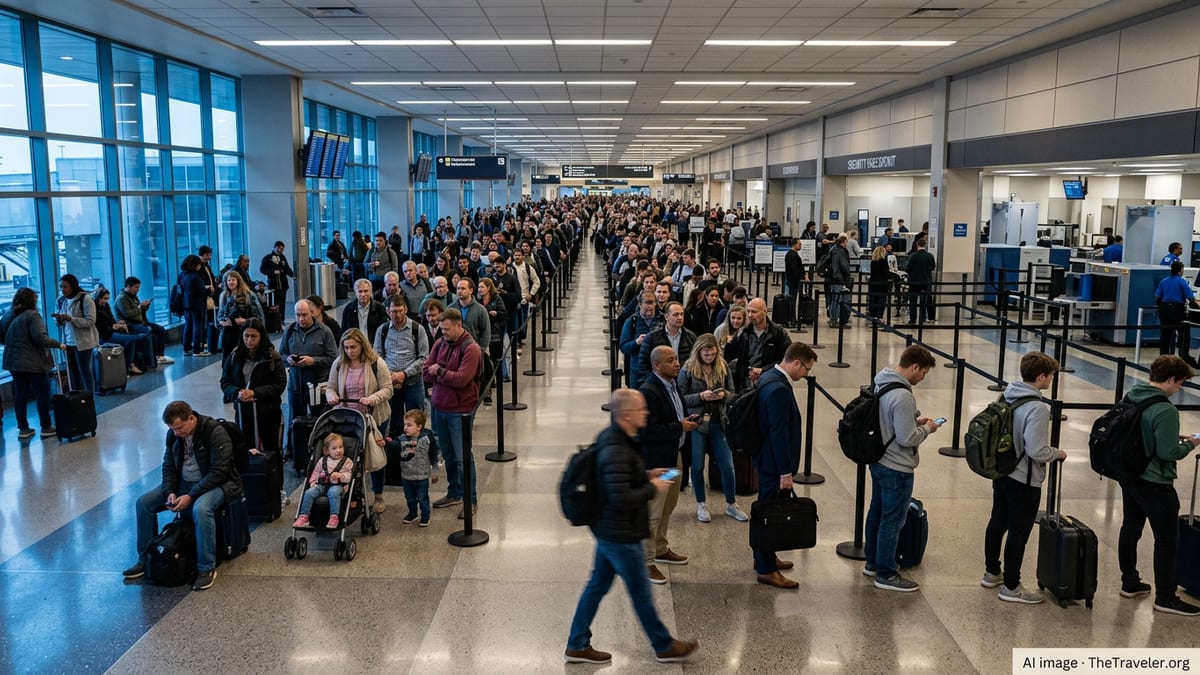
Travelers already in the region are being encouraged by publicly available information to maintain flexible schedules, allow extra time for security screening at airports and checkpoints, and have alternate routes in mind when planning overland travel between Jerusalem, Tel Aviv, and destinations in the West Bank.
Recommended Security Measures for U.S. Citizens and Visitors
While the October 13 security alert is addressed primarily to U.S. citizens, the underlying advice is relevant to all foreign visitors. Current State Department material on terrorism and global risk emphasizes the importance of situational awareness, avoiding large gatherings and demonstrations, and identifying secure locations in advance, such as shelters or reinforced rooms, particularly in areas that have previously experienced rocket or missile fire.
Travel guidance for Israel and the West Bank points travelers to locally available mobile applications that provide real-time alerts for rocket attacks and other emergencies. These tools, along with local news and official social-media channels, are recommended as a way to receive rapid updates on changing conditions, including instructions to take shelter or avoid specific neighborhoods.
Publicly available resources also encourage travelers to register their trip with government systems that provide security updates by email or text message. For U.S. citizens, enrollment in the Smart Traveler Enrollment Program allows Embassy Jerusalem and the U.S. Office of Palestinian Affairs to distribute security messages directly, including follow-up details that may not appear in general media coverage.
Given the Level 3 advisory status and recurring local alerts, travel specialists suggest that visitors consider comprehensive travel insurance that includes coverage for security-related disruptions, such as last-minute flight changes, trip interruptions due to unrest, or emergency evacuations arranged through private assistance providers.
What Prospective Travelers Should Consider Now
For travelers planning future trips to Israel or the Palestinian territories, the October 13 Embassy Jerusalem alert is a reminder that conditions can change quickly, even without a formal upgrade in the overall travel-advisory level. Published advisories indicate that some areas may have more restrictive guidance than the national rating, and travelers with itineraries that include border areas or the West Bank are advised to review both national and local-level materials in detail.
Holiday periods, politically sensitive anniversaries, and high-profile events often see increased security measures, including road closures, visible security deployments, and limitations on movement near religious sites or government buildings. The current alert environment suggests that such measures may be implemented more frequently or with shorter notice than in calmer periods.
Prospective visitors weighing whether to proceed with travel plans are being urged by travel and security analysts to map out key logistics, including how to reach shelters from hotels or short-term rentals, what to do if a border crossing temporarily shuts, and how to maintain communication with family or tour operators if cellular service is interrupted in a localized incident.
In the absence of a detailed public text for the October 13 alert, travelers are relying on the existing Level 3 advisory language, prior Jerusalem alerts from earlier in October, and the concurrent Worldwide Caution to form a risk picture. Together, these sources point to an environment where travel remains possible but demands a higher-than-usual level of preparation, flexibility, and attention to official updates.