


More news on this day
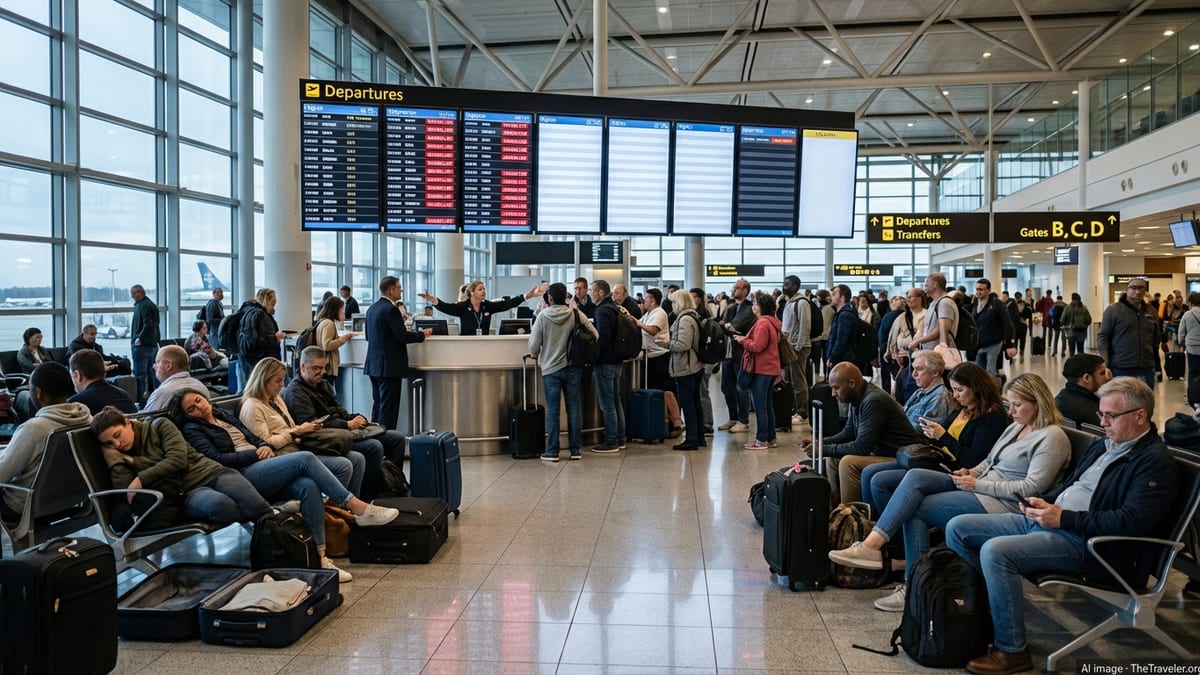
The U.S. State Department has issued a new security alert for the Middle East, urging Americans in the region to exercise heightened vigilance and warning travelers to be ready for sudden flight cancellations, periodic airspace closures, and wider travel disruptions as tensions remain high.
Get the latest news straight to your inbox!
What the new alert says and why it matters now
Publicly available State Department messaging dated Saturday, September 19, 2026, describes a complex security environment across the Middle East with the potential for unforeseen escalation. The alert emphasizes practical, immediate travel impacts, including disrupted flight schedules, last-minute route suspensions, and interruptions tied to airspace restrictions.
Recent regional developments have contributed to the elevated posture. Published coverage has pointed to rising cross-border threats, including activity involving the Iran-backed Houthis and Saudi Arabia, alongside a broader backdrop of U.S.-Iran hostilities that began earlier in 2026. For travelers, the key takeaway is that disruption risk is not confined to one country: itineraries that connect through major hubs or cross multiple borders can be affected quickly.
The State Department has also maintained a broader “Worldwide Caution” advisory updated July 22, 2026, noting that heightened Middle East tensions can produce ripple effects beyond the region, including possible targeting of U.S.-associated locations overseas. That backdrop helps explain why the department’s newest Middle East-focused alert centers on vigilance and travel continuity planning rather than a single incident in a single destination.
Flight disruption is the biggest near-term risk for tourists
The alert’s most actionable warning is about aviation: travelers should be prepared for flight cancellations, periodic airspace closures, and route changes that can happen with little notice. In practice, this can mean missed onward connections, extended layovers, unexpected reroutes over longer flight paths, and sudden changes in airline schedules.
State Department travel advisories for countries in the region have increasingly included aviation-specific language tied to ongoing regional hostilities that began February 28, 2026, including the continuing threat of drone and missile activity and the possibility of disruptions to commercial flights. Qatar’s advisory, for example, explicitly references FAA notices and/or Special Federal Aviation Regulations affecting the region, underscoring that aviation risk planning is now part of standard travel guidance for some Middle East destinations.
For travelers, this is also a logistics issue: if you are planning a trip that depends on tight connections through Gulf hubs or short-haul hops between neighboring countries, build in extra buffer time and consider refundable options where feasible. The State Department’s own guidance in its Worldwide Caution messaging encourages travelers to check with air carriers to confirm flights remain scheduled and to monitor airport and airline operational updates closely.
Country advisories still matter: several destinations carry high risk levels
A regional “security alert” is not the same thing as a country Travel Advisory level, and travelers should review both. As of late August 2026, several Middle East destinations have elevated advisory levels that can shape insurance coverage, employer travel approvals, and the level of U.S. consular assistance that may be feasible in an emergency.
Jordan, for instance, is listed at Level 3 (Reconsider travel) with area-specific “Do not travel” guidance that includes certain border regions and specific locations cited for terrorism, crime, and cross-border violence risks. Iraq remains Level 4 (Do not travel), while Lebanon is also Level 4, reflecting high-risk environments that can shift rapidly during periods of regional escalation.
Even within Level 3 countries, the fine print matters for trip planning. Jordan’s advisory highlights specific areas and notes that disruptions to commercial flights have been an ongoing concern since February 28, 2026. This is a reminder that travelers should look beyond the headline level and read the destination-specific sections that spell out where risks are concentrated and what types of disruptions have been occurring.
What travelers should do before departure and while on the ground
Travelers currently in the Middle East or transiting through it should focus on preparedness steps that match the alert’s core warning: disruption can occur quickly. That means keeping travel documents accessible, maintaining enough funds and flexibility to adjust plans, and monitoring developments that could affect airports, highways, and border crossings.
The State Department’s guidance for Americans in the Middle East points travelers to enroll in the Smart Traveler Enrollment Program (STEP) to receive local embassy or consulate security updates by email. The same State Department page lists the department’s 24/7 phone numbers for Americans who need consular information or assistance: +1-202-501-4444 from abroad and +1-888-407-4747 from the U.S. and Canada.
For people with upcoming trips, this is also the moment to re-check the practical details that get overlooked when conditions are stable: whether your airline is offering fee-free changes on affected routes, whether your hotel booking is refundable, and whether your travel insurance includes coverage for trip interruption and medical evacuation. If your itinerary includes multiple countries or relies on a single hub for connections, consider contingency routing and backup lodging plans in case you are stranded mid-journey.