


More news on this day
The U.S. State Department has issued a new security alert for the Middle East, warning U.S. citizens to expect potential flight cancellations, airspace closures, and broader travel disruptions as regional tensions remain volatile.
Get the latest news straight to your inbox!
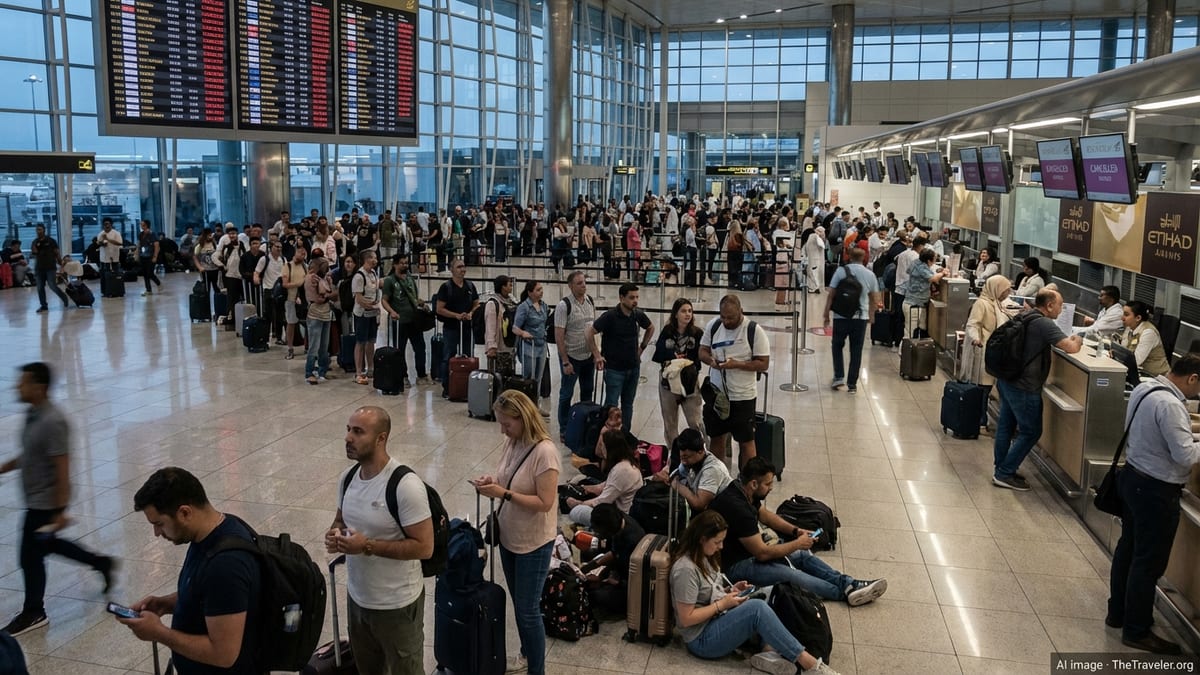
What the new alert says and why it matters now
The latest State Department messaging urges heightened vigilance for Americans currently in the Middle East and emphasizes that the security environment can shift quickly, with knock-on effects for aviation and ground movement. The alert highlights the possibility of sudden flight schedule changes and intermittent airspace restrictions that can strand travelers or force reroutes on short notice.
While the notice is framed as regionwide guidance rather than a single-country directive, the language is practical: travelers should anticipate disruptions, confirm flights directly with carriers, and keep plans flexible. The alert also points travelers to country-specific security updates and advisories, which can differ substantially from one destination to the next.
Published coverage tied the alert to a renewed risk picture that includes hostile activity affecting Saudi Arabia and nearby air corridors, as well as broader concerns about potential targeting of U.S.-linked interests abroad. For travelers, the key takeaway is that the State Department is explicitly flagging air travel instability as a near-term risk, not just a general security concern.
Where travelers may see the biggest impact: flights, airspace, and routing
The most immediate traveler-facing risk in the alert is aviation disruption. In practical terms, that can mean last-minute cancellations, delayed departures, diversions to alternate airports, and missed connections that cascade across itineraries, particularly on routes that normally transit Gulf and Levant air corridors.
Travelers with connections through major hubs should build extra time into schedules and monitor both their airline and the relevant airport’s live status updates. Even if a departure is operating, onward legs can change quickly if airspace restrictions appear with little lead time, forcing airlines to refile routes or consolidate flights.
The advisory language also matters for travelers who are not ending their trips in the Middle East. The State Department’s guidance warns that transiting “to and through the region” may carry elevated disruption risk, which can affect travelers connecting between North America, Europe, Africa, and Asia on routings that pass through Middle Eastern hubs.
How the alert intersects with Travel Advisory levels
A security alert is not the same thing as a country’s Travel Advisory level, but they should be read together. The State Department uses Travel Advisory levels to describe baseline risk, while alerts often address fast-moving situations that can change day to day, including transportation interruptions and localized security events.
In the region, advisory levels can vary widely. Several countries remain under high caution, and some destinations have long-standing “Do Not Travel” advisories due to armed conflict, kidnapping, terrorism, or wrongful detention risks. Travelers should treat the new security alert as an added layer on top of those standing risk assessments, not a replacement for them.
Saudi Arabia is an example of how detailed advisories can become during heightened tension. A recently issued advisory reiterates “Level 3: Reconsider Travel” and explicitly notes the ongoing threat of drone and missile attacks since hostilities between the United States and Iran began on February 28, 2026. It also notes that commercial flights can be operational while still being “significantly disrupted at times,” reflecting the type of scenario the broader Middle East alert is warning about.
What travelers should do before departure and while on the ground
For imminent travel, the most important step is operational: confirm that your flight is still scheduled and understand your options if it is not. That includes checking rebooking rules, knowing which alternate airports your airline typically uses in disruptions, and keeping enough battery power and connectivity to receive real-time changes.
For U.S. citizens already in the region, the State Department’s regional consular information page consolidates where to find the latest embassy alerts by country and provides contact numbers for consular help, including a 24/7 line reachable from abroad (+1-202-501-4444) and from the U.S. and Canada (+1-888-407-4747). Enrolling in the Smart Traveler Enrollment Program (STEP) is also a core recommendation for receiving location-specific security messaging.
Finally, travelers should plan for scenarios where official assistance may be limited in certain areas, particularly near conflict zones or border regions. That means keeping passports and critical documents accessible, knowing the fastest route to your departure airport, maintaining backup funds for unexpected hotel stays, and having a contingency plan that does not rely on government evacuation or on a single flight option.