


More news on this day
Fresh U.S. travel advisories highlighting crime risks in Saint Lucia, Jamaica, Turks and Caicos and Haiti are sharpening the focus on safety across the Caribbean, raising new questions for travelers planning island getaways in late 2026.
Get the latest news straight to your inbox!
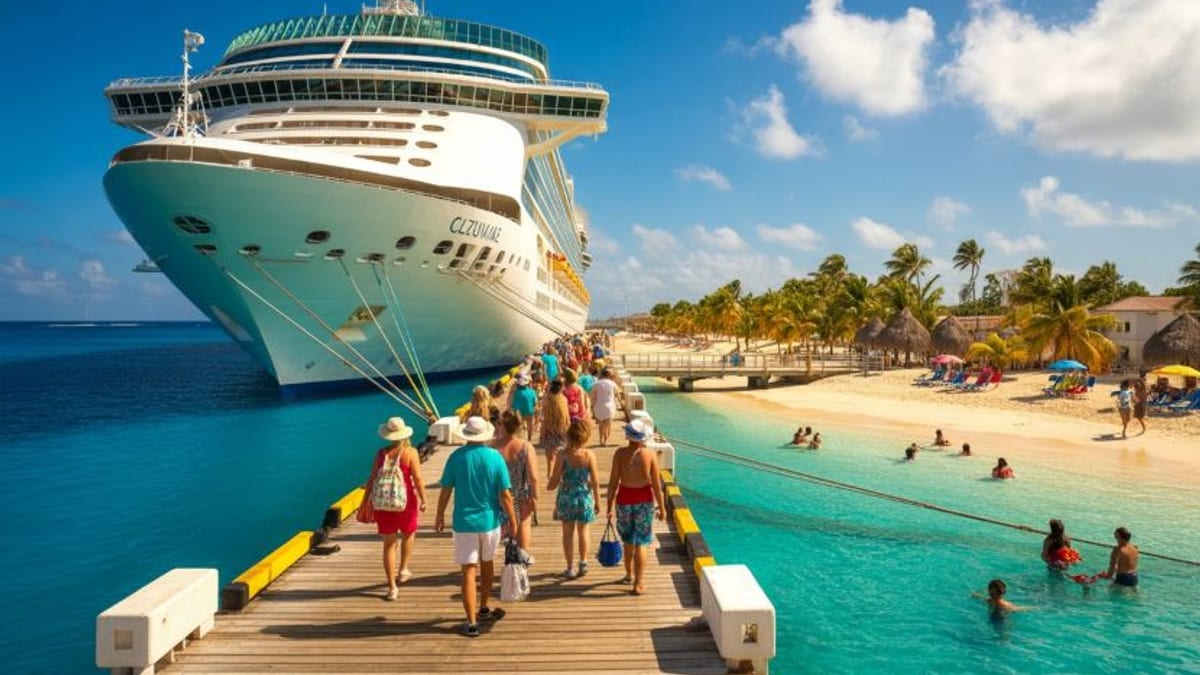
Saint Lucia Moves to Level 2 as Crime Indicator Added
The United States updated its travel advisory for Saint Lucia on July 10, 2026, moving the island from Level 1, where travelers are advised to take normal precautions, to Level 2, which calls for increased caution. Publicly available State Department information lists crime as the key driver of the change, marking the first time a specific crime indicator has been attached to the country.
Reports indicate that the revised advisory highlights incidents of robberies and other opportunistic crimes affecting visitors in popular tourism zones and urban areas. While Saint Lucia continues to market itself as a laid-back beach and nature destination, the change signals that U.S. officials see a material enough risk to adjust guidance for American travelers.
For tourism stakeholders on the island, the shift to Level 2 brings reputational challenges. The Caribbean has long competed on the perception of safety compared with some Latin American and global destinations, and moving off the lowest advisory rung can influence how tour operators, cruise lines and travelers compare Saint Lucia with rival islands still at Level 1.
Travel specialists note that a Level 2 designation does not recommend canceling trips but encourages visitors to pay closer attention to their surroundings, avoid isolated areas at night, and secure valuables. For many frequent Caribbean travelers, those steps already form part of standard travel habits, yet the formal upgrade places Saint Lucia more squarely under the safety microscope.
Jamaica’s Crime Picture Keeps It at Higher Alert
Jamaica continues to carry one of the region’s more serious U.S. advisories. The State Department advisory, reissued in late June 2026, keeps the country at Level 3, where travelers are urged to reconsider travel, primarily because of violent crime. Official text highlights a homicide rate among the highest in the Western Hemisphere and notes that armed robberies, sexual assaults and other violent incidents have occurred, including in areas frequented by tourists.
Published guidance points out that local police capacity can be stretched and that emergency response and medical services may fall short of what U.S. travelers are accustomed to at home. Separate security assessments referenced in travel industry briefings describe an ongoing gang presence, spikes in violence in certain parishes and periodic states of emergency in previous years to contain crime.
The disparity between the island’s strong tourism appeal and its crime statistics has created a complex narrative. Jamaica remains a major hub for all-inclusive resorts, cruise calls and music tourism, and many visitors report incident-free vacations in resort corridors with heavy private security. At the same time, the continued Level 3 rating shapes how travel insurers, risk managers and corporate travel departments view leisure and incentive trips to the country.
For individual travelers, the practical effect of Jamaica’s status often comes down to itinerary choices. Travel advisers increasingly recommend airport transfers arranged through vetted providers, limiting movement at night, and staying within established resort areas or reputable tour operations when exploring beyond the hotel zone.
Turks and Caicos Under Increased Caution as Crime Data Draws Notice
Turks and Caicos, best known for luxury villas and white-sand beaches, is also under a Level 2 advisory for U.S. citizens, with crime listed as the primary concern. The State Department guidance, supported by regional crime data, notes an uptick in armed robberies and other offenses that have occasionally involved tourists, particularly in urban sections of Providenciales away from resort enclaves.
Independent analyses citing United Nations figures have drawn attention to a high per-capita homicide rate in recent years, unusual for a small territory strongly associated with high-end tourism. Local tourism sources emphasize that most violent incidents take place in residential neighborhoods rather than along Grace Bay’s resort strip, but the headline numbers have added pressure for a more visible law-enforcement presence.
Travel information sites that aggregate government advisories from multiple countries now consistently list Turks and Caicos as a destination where visitors should exercise increased caution and take steps to reduce the risk of becoming a victim of crime. Recommendations typically include using licensed taxis, avoiding walking in poorly lit or unfamiliar areas at night, and being mindful of displays of jewelry, cash or electronics away from resorts.
For the broader Caribbean, the Turks and Caicos example illustrates how small jurisdictions with limited law-enforcement resources can quickly see their international reputation affected once violent crime spikes, even if visitor numbers remain solid and major hotels continue to report strong occupancy.
Haiti Stays at Level 4 as Violence and Kidnappings Intensify
If Saint Lucia, Jamaica and Turks and Caicos occupy the middle rungs of the U.S. advisory system, Haiti sits firmly at the highest level. U.S. government information shows that Haiti remains under a Level 4 “Do Not Travel” advisory, most recently reinforced in 2025 and 2026 as gang violence, kidnappings and political instability have escalated.
Recent reports from international organizations and media outlets describe more than a thousand kidnapping incidents recorded in the first months of 2026 alone, widespread territorial control by armed groups in Port au Prince and beyond, and a severely strained health and transport infrastructure. Passenger air links from the United States have been repeatedly curtailed as carriers and regulators assess security conditions around airports.
Human rights reports and travel risk bulletins emphasize that foreign citizens, including dual nationals, may face heightened targeting for kidnapping or extortion and that consular assistance can be severely limited if incidents occur. Many governments, not only the United States, now strongly urge citizens to leave Haiti if safe to do so and to avoid all non-essential travel.
For the travel industry, Haiti’s prolonged crisis has effectively halted mainstream leisure tourism. Niche cultural and adventure itineraries that once marketed Haiti’s art, music and historic sites have largely disappeared from brochures, underscoring how security conditions can push a Caribbean nation completely off the holiday map.
What the New Safety Landscape Means for Caribbean Holiday Planning
The mixed advisory picture across the Caribbean underscores that travelers cannot assume a uniform safety profile across the region. On July 10, Saint Lucia’s move to Level 2 placed it alongside Turks and Caicos in the increased caution category, while Jamaica remains higher at Level 3 and Haiti at Level 4, where travel is strongly discouraged. Other islands, from Barbados to the Cayman Islands, still sit at Level 1 or 2, offering points of comparison for risk conscious travelers.
Travel risk specialists argue that the advisory system is best viewed as a starting point rather than an absolute verdict. Level 2 destinations can feel markedly different on the ground depending on neighborhood, time of day and traveler behavior, while parts of Level 3 countries may be heavily secured tourist corridors. Conversely, even lower level destinations are not immune to opportunistic crime, especially where tourism and income gaps intersect.
For travelers planning winter 2026 and spring 2027 Caribbean vacations, the shifting safety map is likely to influence destination choice, insurance purchases and on the ground habits. Trip planners are increasingly reviewing government advisories alongside local news, traveler forums and tour operator guidance, while also weighing practical measures such as private airport transfers, staying in well-reviewed accommodations, and booking excursions through established providers.
The latest U.S. advisories, particularly the visible upgrade for Saint Lucia and the ongoing severe warning for Haiti, highlight how quickly perceptions can change in a region that depends heavily on tourism. As peak travel season approaches, the Caribbean’s safety conversation is likely to remain as central to holiday decision making as beaches, resorts and airfare deals.