


More news on this day
A 35-year-old traveler on a Virgin Voyages charter sailing was removed from the ship after drugs were reportedly found in his cabin, drawing renewed attention to how cruise lines enforce zero-tolerance policies on narcotics at sea.
Get the latest news straight to your inbox!
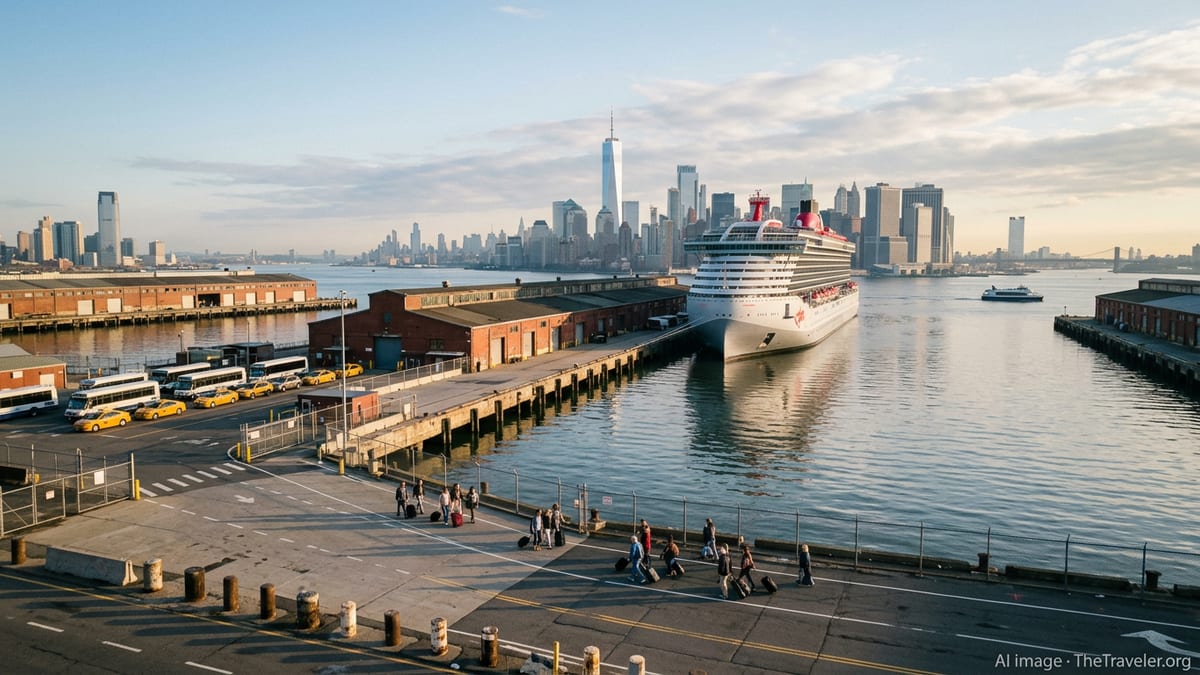
Incident Reported Aboard Virgin Voyages Charter
According to published coverage from cruise industry outlets, the incident occurred during a privately chartered voyage on a Virgin Voyages ship when crew members inspected a 35-year-old guest’s cabin and allegedly discovered illegal drugs. The sailing had been fully reserved by a third-party organizer, meaning all passengers on board were part of the same themed charter rather than a standard commercial itinerary.
Reports indicate that once the suspected drugs were found, shipboard security followed established protocols to segregate the passenger from other guests and coordinate his removal at the next port of call. The individual was disembarked from the voyage and did not complete the itinerary with the rest of the passengers.
Publicly available information describes the case as a violation of Virgin Voyages’ code of conduct and prohibited items policy, which bars passengers from bringing narcotics and controlled substances on board, regardless of local legalization in home jurisdictions. The handling of the episode has been cited by cruise commentators as an example of how swiftly cruise operators can act when potential drug violations are identified.
Zero-Tolerance Policies on Drugs at Sea
Virgin Voyages, like most major cruise brands, maintains a strict ban on recreational drugs, including cannabis products and related paraphernalia. Company security guidance available online states that illegal drugs are prohibited at all times, both in guest cabins and in public areas, and may result in immediate removal from the ship, referral to law enforcement, or a permanent ban from future sailings.
Travel industry analyses underscore that cruise ships must comply with international maritime regulations, flag-state rules, and the laws of each country on the itinerary. Even in regions where certain substances are legal or decriminalized on land, they often remain off-limits on foreign-flag vessels that are subject to different legal frameworks.
Legal experts who comment on cruise operations generally note that narcotics issues at sea can trigger multiple jurisdictions, including the nation where the ship is registered, the coastal state where it is calling, and, in some cases, the passenger’s home country. As a result, cruise lines are widely described as erring on the side of caution, particularly when itineraries include ports with stringent anti-drug statutes.
Charter Sailings and Enforcement Environment
The voyage involved in the incident was a full-ship charter, meaning an outside company had leased the entire vessel and marketed the trip directly to its own clientele. While charter organizers often curate onboard entertainment, branding and programming, the ship’s safety, security and operating rules continue to be governed by the cruise line.
Industry briefings explain that cruise operators retain ultimate control over security procedures, screening processes and disciplinary actions on charter sailings. That includes the authority to deny boarding or remove passengers who are found with contraband or who violate behavioral standards set out in ticket contracts and security guides.
Observers of the charter cruise sector point out that these sailings can feature highly themed events, late-night parties and large group activities. However, despite a more festival-like atmosphere, the same underlying safety and legal obligations apply. The removal of the 35-year-old guest for alleged drug possession has been referenced by commentators as a reminder that passengers on charter voyages are subject to the same enforcement environment as on any regular scheduled cruise.
Security Procedures and Passenger Screening
Publicly available security documents from Virgin Voyages outline layered procedures designed to keep prohibited items off the ship. These include screening of luggage and personal belongings at embarkation, the right to conduct further inspections if there is reasonable suspicion, and the ability to seize items that breach company rules.
Maritime safety resources describe how cruise ships increasingly rely on technology such as X-ray scanners, CCTV monitoring and, in some ports, specialized detection dogs employed by local authorities or terminal operators. While not every sailing involves the same level of screening, analysts say the trend across the industry is toward more rigorous checks, particularly related to drugs and weapons.
In the reported Virgin Voyages incident, coverage indicates that a cabin search led to the discovery of the drugs, rather than detection at the initial boarding stage. Cruise commentators note that officers and security staff can initiate such inspections if behavior, odors or complaints from nearby guests suggest a possible rules violation.
Implications for Cruise Travelers
Travel advisors and cruise-focused publications consistently caution passengers that bringing drugs on board a ship, even in small quantities for personal use, can result in serious consequences. Beyond immediate removal from the voyage, individuals may face additional costs such as arranging last-minute travel home, forfeiture of unused cruise days and, in some cases, inquiries from local law enforcement at the disembarkation port.
Some commentators emphasize that passengers should not assume that medical or recreational cannabis permitted in one jurisdiction will be accepted on a ship or in overseas ports. Documentation regarding cruise line policies typically warns that any form of THC product, along with other controlled substances without appropriate documentation under applicable law, is categorized as a prohibited item.
The removal of the 35-year-old traveler from the Virgin Voyages charter sailing has been highlighted as a cautionary example for prospective guests across the cruise sector. Analysts suggest that, as operators continue to refine security practices and face heightened scrutiny around safety at sea, enforcement of drug bans is likely to remain strict, regardless of evolving norms and legalization trends on land.