


More news on this day
Australians planning trips to the United States are being urged to closely monitor official travel advice after renewed threats and combative rhetoric from Donald Trump have sharpened concerns about security, immigration crackdowns and the broader global climate.
Get the latest news straight to your inbox!
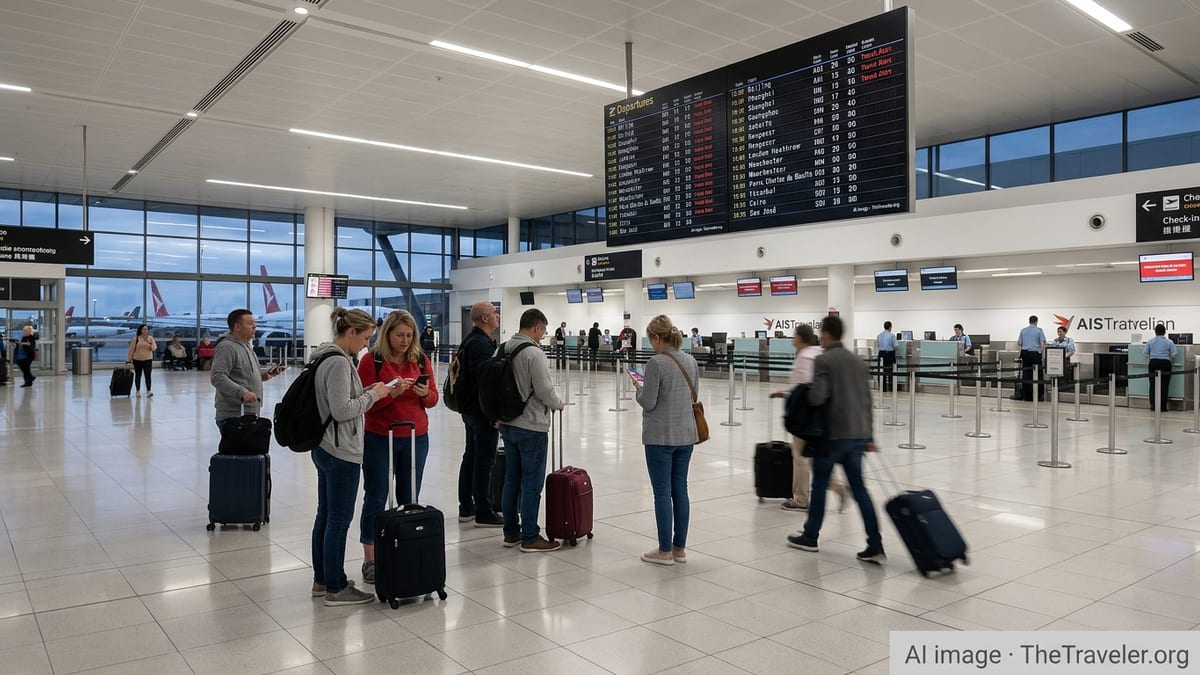
Trump’s warnings fuel anxiety among Australian travellers
Recent coverage of Donald Trump’s public threats on national security and immigration has reignited debate about whether Australians should rethink upcoming travel to the United States. Reports indicate that tough language on border enforcement, proposed new limits on arrivals and suggestions of punitive measures against so-called “unfriendly” or “non-cooperative” jurisdictions are prompting some prospective visitors to pause or change plans.
Trump’s second-term agenda, as described in multiple analyses of his executive orders and speeches, includes broader screening of foreign nationals, expanded use of immigration detention and the potential for new, fast-moving restrictions targeting specific groups of travellers. Publicly available information on past and current travel orders highlights how quickly policy settings can shift, sometimes with only short notice for airlines and passengers.
Australian media and online forums show that this rhetoric is having a tangible impact on sentiment. Travel agents and frequent flyers describe rising concern among Australians who worry their social media history, political views or background could complicate entry, even when travelling on legitimate visas or visa waivers.
Advocacy organisations in the United States have also issued advisories highlighting a tougher enforcement environment, particularly for people from minority communities or those perceived to be politically outspoken. While these alerts are not government policy, they contribute to an overall picture of heightened caution for foreign visitors, including Australians.
Canberra’s official advice: ‘Exercise normal safety precautions’ in the US
Despite elevated political rhetoric, the Australian government continues to advise that travellers to the United States “exercise normal safety precautions.” Smartraveller’s destination page for the United States, updated in late September 2026, does not list a formal security downgrade, distinguishing the US from higher-risk locations where Australians are urged to reconsider travel or not travel at all.
The four-tier Smartraveller system ranges from “Exercise normal safety precautions” through to “Do not travel,” reflecting the Department of Foreign Affairs and Trade’s assessment of security, civil unrest, terrorism and other threats. Current listings show that countries in active conflict or facing severe instability sit at the top end of that scale, whereas the United States remains at the lowest advice level.
At the same time, general guidance on the Americas region underscores that security and political conditions can change quickly. Travellers are encouraged to subscribe to updates, monitor reputable news coverage and stay alert to any rapid developments that might affect flights, border operations or domestic transport within the United States.
The government’s separate alerts relating to conflict in the Middle East and heightened global tensions serve as a reminder that major geopolitical shocks can have flow-on effects for long-haul itineraries, including those routed through or terminating in North America.
Entry rules, screening and what Aussies should expect at the border
For Australians, entering the United States generally requires either approval under the Electronic System for Travel Authorization for eligible short stays, or an appropriate visa obtained in advance. Publicly available US government guidance stresses that approval to travel does not guarantee entry, and that final decisions rest with Customs and Border Protection officers on arrival.
In recent years, a combination of tighter screening practices, expanded digital data checks and changing enforcement priorities has made the border experience less predictable for some visitors. Australian media coverage has highlighted cases of travellers questioned about online activity or political views, with a small number reportedly denied entry or placed in short-term detention.
Security analysts note that the legal framework for US travel restrictions, including Trump-era and later executive orders, allows the administration to move quickly if it designates new risk categories or countries of concern. This has raised fears among some Australian travellers that future orders could suddenly alter eligibility, particularly for those with dual nationality, extensive travel histories in conflict zones or work in sensitive sectors.
Given this environment, experts recommend that Australians ensure passports are valid well beyond intended travel dates, carry clear documentation of itinerary and accommodation, and remain cooperative but cautious in disclosing personal information at the border. Those who have complex histories, such as prior overstays or recent visits to high-risk regions, may wish to seek professional immigration advice before booking.
Shifting demand: Australians weigh the US against other destinations
Tourism industry figures report that political turbulence, perceptions of rising gun violence and stricter border controls have contributed to a softening in Australian leisure demand for the United States compared with pre-pandemic peaks. Comments from major agencies in Australian media point to travellers redirecting long-haul holidays towards Europe and parts of Asia that are perceived as offering better value and fewer entry uncertainties.
The Australian dollar’s relative weakness against the US dollar has also made trips to American cities more expensive, further dampening demand. Package prices for popular itineraries, such as multi-stop visits to Los Angeles, New York and Las Vegas, have risen markedly in local currency terms over the past two years, prompting many families to delay big-ticket US holidays.
By contrast, demand for Europe and selected Asian destinations has rebounded strongly, helped by competitive airfares, liberal entry regimes and targeted marketing campaigns. This shift does not mean Australians have abandoned the United States altogether, but industry commentary suggests that more travellers are treating it as a once-off or postponed trip rather than a default choice.
For those still committed to visiting the US, travel consultants recommend locking in flexible bookings that allow date changes, and avoiding convoluted routings that might be vulnerable to disruption if global tensions escalate further.
Practical steps for Australians considering US travel now
For Australians weighing a trip to the United States in late 2026 and early 2027, the central message from official material is to prepare carefully and stay informed. Smartraveller advises all travellers to take out comprehensive travel insurance, share itineraries with family and friends, and keep digital copies of key documents such as passports, visas and insurance certificates.
Travellers are also encouraged to pay attention to domestic conditions once in the United States. Publicly available guidance referencing earlier protests and civil unrest recommends avoiding demonstrations, steering clear of areas where tensions appear high and following local emergency instructions if an incident occurs nearby.
Given the potential for rapid policy changes under the current US administration, it is prudent to re-check both Australian and US government advice in the days before departure. This includes reviewing any new executive orders, updated airline requirements or additional documentation demands at check-in, such as proof of onward travel or more detailed accommodation information.
Ultimately, the latest warnings do not amount to a formal ban on Australians visiting the United States, but they do signal a more complex environment than in years past. Careful planning, close attention to evolving rules and a realistic assessment of personal risk tolerance are increasingly essential parts of deciding whether now is the right time to travel.