


More news on this day
Restrictions on flight operations at Saudi Arabian airports have resulted in the suspension of 61 flights from Dhaka, leaving at least 8,381 passengers stranded and deepening uncertainty for Bangladeshi workers and religious travelers bound for the kingdom.
Get the latest news straight to your inbox!
Flight Suspensions Follow Security Crisis in Saudi Arabia
According to publicly available figures from the Civil Aviation Authority of Bangladesh (CAAB), the halted services include 22 direct flights between Dhaka and Saudi cities and 39 transit flights that were scheduled to connect via Riyadh and other Saudi gateways. Earlier CAAB tallied 5,418 affected passengers across 51 flights, but the updated count shows both the number of suspended services and stranded travelers has climbed to 61 flights and at least 8,381 passengers.
The disruptions stem from a series of missile and drone attacks targeting airports in Saudi Arabia, including Riyadh’s King Khalid International Airport. International media reports describe repeated strikes on the capital’s main gateway, with one of the deadliest incidents killing at least 13 people and injuring hundreds more. As investigations continue and air defense capabilities are scrutinized, Saudi authorities have restricted flight operations at several airports, triggering knock-on effects for routes originating in Bangladesh.
Not all estimates of affected travelers align. Some local coverage now cites higher totals approaching or exceeding 9,000 passengers on the same set of 61 flights, reflecting ongoing adjustments as airlines refine booking data. CAAB updates indicate that passenger counts remain provisional, particularly because one major carrier has yet to report its full figures.
The situation remains fluid as Saudi notices to airmen extend closures and partial shutdowns at key airports into mid-October, limiting both direct point-to-point services and transit options through the kingdom’s hubs.
Airlines and Routes Most Heavily Affected
Data compiled from CAAB statements and local aviation coverage shows that among the 22 suspended direct flights linking Dhaka with Saudi destinations, nine were operated by Biman Bangladesh Airlines, four by Saudi flag carrier Saudia, two by private Bangladeshi carrier US-Bangla Airlines, and seven by Riyadh Air. These direct services primarily connect Dhaka with Riyadh and Dammam, two of the main entry points for Bangladeshi migrant workers and Umrah pilgrims.
The 39 affected transit flights involve a broader mix of regional and global carriers. Reports list 16 suspended services by India’s IndiGo, nine by Emirates, five each by Qatar Airways and flydubai, three by Oman-based SalamAir, and one by EgyptAir. Many of these flights were scheduled to carry Bangladeshi passengers onward to Saudi Arabia via intermediate hubs, meaning disruptions have spilled over into wider Gulf and Middle East networks.
Several airlines serving the Dhaka–Saudi market have also taken additional steps beyond the CAAB tally. Biman Bangladesh Airlines has temporarily halted all scheduled flights on its Dhaka–Riyadh and Dhaka–Dammam routes until 17 October, citing passenger safety considerations and the closure of key Saudi airports. US-Bangla Airlines has suspended Riyadh-bound flights through at least 21 October, while multiple international airlines have scaled back operations to Riyadh and Dammam in line with updated security assessments.
Publicly available notices from Bangladeshi carriers advise travelers to check flight status before heading to Hazrat Shahjalal International Airport in Dhaka and to contact airline sales offices for rebooking, refunds, or rerouting where seats are available on alternative paths.
Stranded Workers, Pilgrims and Families Face Uncertainty
The timing of the Saudi airport disruptions has created particular stress for Bangladeshi migrant workers, many of whom were scheduled to return to jobs or join new contracts in the kingdom. Estimates shared in Bangladeshi labor and aviation coverage suggest that around 1,200 workers on average have been traveling from Bangladesh to Saudi Arabia each day this year, underscoring how central these routes are to overseas employment.
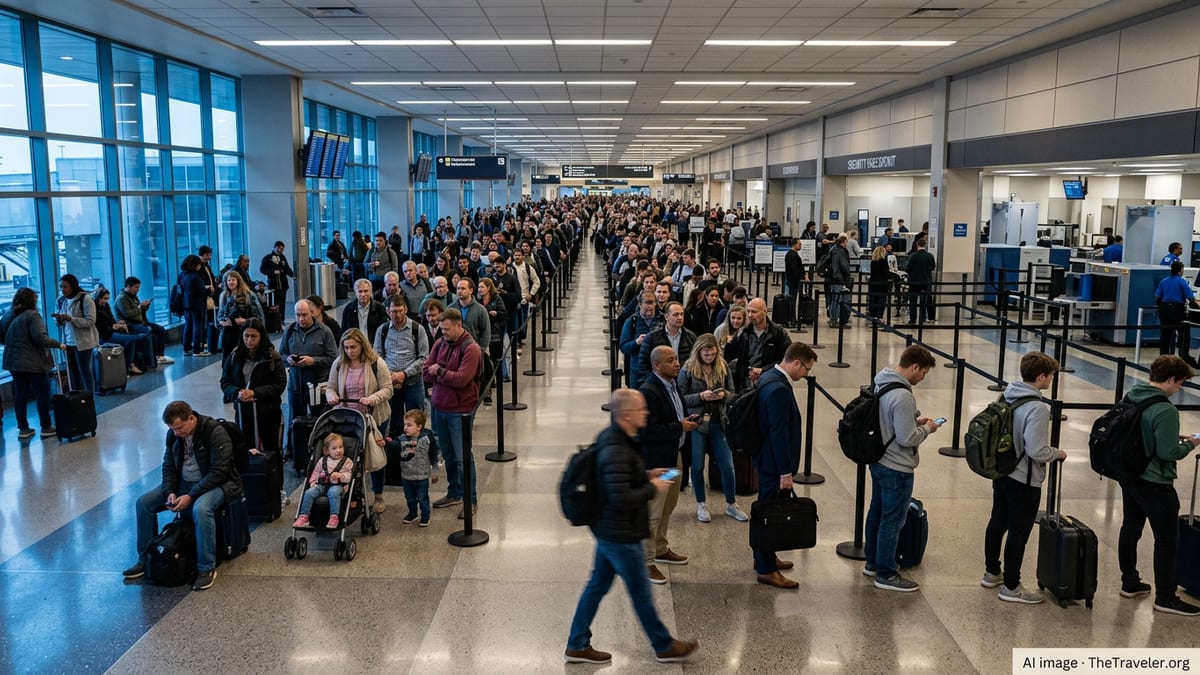
Images from Hazrat Shahjalal International Airport over recent days show large numbers of passengers waiting in the departure area with luggage and employment documents, unsure when or how they will be able to travel. Some had arrived in Dhaka after overnight journeys from distant districts, only to find their flights abruptly cancelled or indefinitely suspended after the Saudi attacks.
Religious travel has also been hit. With King Khalid International Airport in Riyadh temporarily closed and tighter controls in place at other Saudi airports, many Umrah pilgrims and family visitors have seen their plans postponed. Travel agencies that package work visas and pilgrimage trips report that they are fielding a high volume of requests about expired visas, rescheduling windows, and the validity of return tickets, although many of these details depend on evolving guidance from Saudi and Bangladeshi authorities.
In some cases, Bangladeshi passengers already in transit have been stranded in Saudi Arabia. Coverage from Dhaka-based outlets notes that hundreds of travelers became stuck at Riyadh airport when the latest wave of attacks forced an abrupt halt to operations, prompting urgent calls for clarity on accommodation, food, and onward travel arrangements.
Official Response and Options for Affected Travelers
Publicly available information from CAAB indicates that the regulator has asked airlines to share updated manifests and booking numbers and to coordinate passenger care for those stranded or facing imminent departures. Statements from the civil aviation authority emphasize that totals for affected passengers are derived from data supplied by airlines, meaning they are subject to revision as additional figures come in, including those from Riyadh Air.
Biman Bangladesh Airlines has stated through press releases that it is monitoring the security environment in Saudi Arabia and will announce revised schedules once restrictions ease. The national carrier has recommended that passengers with urgent travel needs consider routing through Jeddah and Madinah, airports that remain open for limited operations, although spare seat capacity on those routes is constrained.
Local reporting also notes that Bangladeshi aviation and labor agencies are discussing potential support measures for workers at risk of missing entry deadlines, including assistance with visa extensions or documentation to justify delayed arrivals. However, concrete arrangements will depend on policy decisions in both Dhaka and Riyadh, and many passengers currently have no confirmed travel date.
Travelers are being urged in public advisories to avoid congregating at the airport without confirmed bookings and to stay in touch with their airlines or travel agencies for the latest updates, as schedules are subject to rapid change while Saudi authorities reassess airport operations following the attacks.
Broader Impact on Dhaka–Saudi Air Links
The suspension of 61 Dhaka–Saudi flights and the associated backlog of at least 8,381 stranded passengers highlight the vulnerability of Bangladesh’s overseas employment and pilgrimage corridors to sudden security shocks. Saudi Arabia is one of the largest destinations for Bangladeshi migrant labor, and commercial air connectivity between the two countries has expanded in recent years as passenger caps were gradually raised and new carriers entered the market.
Even short-term interruptions risk financial losses for workers who have paid recruitment fees, medical costs, and airfare, as well as for employers awaiting staff at Saudi worksites. For airlines and travel agencies, the cancellations and rebookings translate into operational complications, additional customer service burdens, and complex negotiations over refunds or future travel credits.
Industry observers note that once Saudi authorities reopen all airports and relax restrictions, carriers may need days or weeks to clear the backlog of passengers from Dhaka, particularly if flights cannot immediately return to full frequency. Priority is likely to be given to travelers with expiring visas or time-sensitive employment reporting dates, which may leave family visitors and discretionary travelers waiting longer for confirmed seats.
For now, the disruption to 61 flights and the uncertainty facing thousands of stranded passengers serve as a stark reminder of how regional instability can ripple quickly through global air networks, with immediate consequences for travelers whose livelihoods and family ties depend on reliable access to Saudi Arabia’s airports.