


More news on this day
A Norfolk Southern freight train derailed near Coeburn, Virginia, disrupting rail operations in Wise County and drawing renewed scrutiny to the company’s safety record in communities across the Appalachian rail corridor.
Get the latest news straight to your inbox!
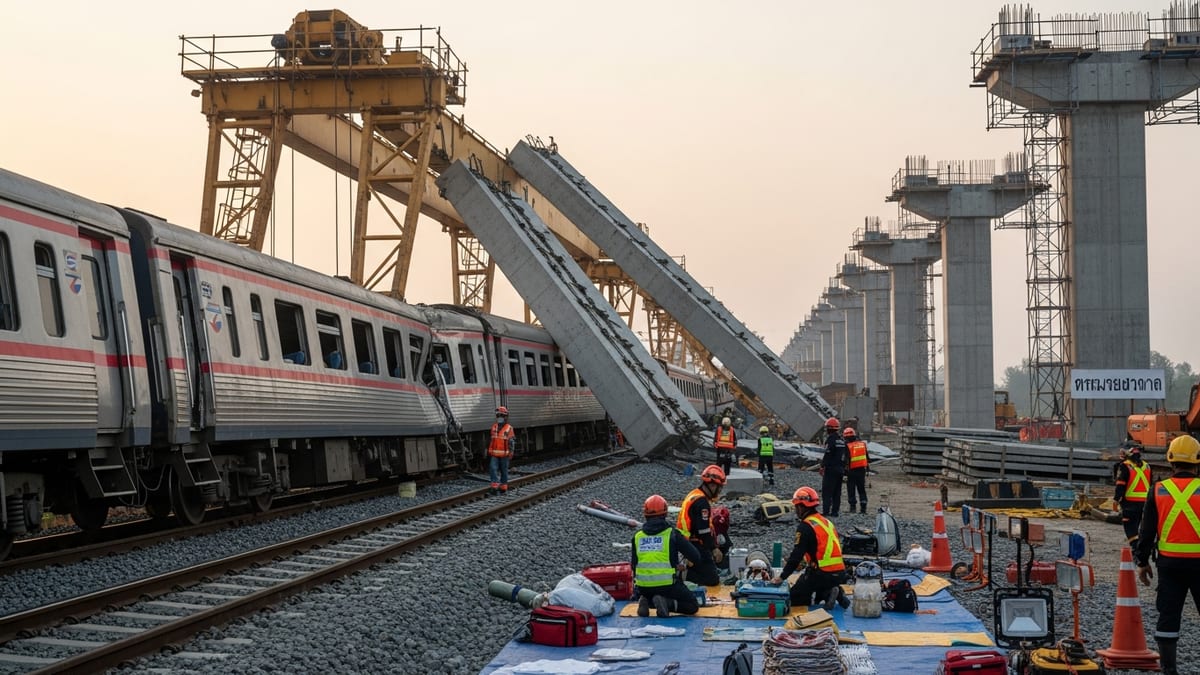
Freight consist leaves tracks in Wise County rail corridor
Initial reports indicate the derailment occurred on a Norfolk Southern freight line that threads through the Guest River valley near the town of Coeburn, a historic coal and rail hub in central Wise County. Coeburn developed around the former Interstate Railroad and remains a key point on regional freight routes serving coal mines, lumber operations, and general merchandise traffic.
Publicly available information describes the incident as a freight consist that left the tracks on a section of line bordered by steep hillsides and narrow river bottom, terrain that has historically complicated both access and recovery efforts when accidents occur in the region. Early summaries suggest multiple railcars derailed, though detailed counts and cargo descriptions were not immediately available from published coverage at the time of writing.
The derailment temporarily halted movements along the affected stretch, with rail observers noting that Norfolk Southern dispatched engineering and maintenance teams to begin clearing the right of way. Similar incidents in other states this year have led to multi day disruptions as crews remove damaged equipment, replace track, and inspect adjacent infrastructure before restoring full service.
Available reports did not immediately indicate significant injuries or large scale hazardous material releases linked to the Coeburn incident. However, rail safety advocates often point out that the presence of mixed freight, including tank cars and hoppers, means each derailment is assessed cautiously until comprehensive inspections are completed.
Coeburn’s rail legacy and the challenges of Appalachian terrain
Coeburn’s rail station and surrounding townscape reflect more than a century of railroad activity in Wise County, where coal, timber, and manufacturing shipments helped shape the community’s economy. Historical surveys note that the town grew around railroad facilities and depots, with tracks running close to residential neighborhoods, small businesses, and the Guest River.
The terrain around Coeburn, characterized by sharp curves, river crossings, and mountain grades, is similar to other Appalachian corridors where derailments have occurred. In nearby parts of Virginia and neighboring states, railroad incident reports describe how steep slopes, limited road access, and narrow valleys complicate emergency response and recovery operations when trains leave the tracks.
Federal railroad safety data shows that derailments in mountain regions are often linked to a combination of track conditions, train handling on grades, and mechanical factors such as wheel bearings or brakes. Although specific technical causes in the Coeburn case have not yet been detailed in public reporting, the setting aligns with broader patterns documented across the Appalachian freight network.
Local planners and tourism officials have also worked to reuse former rail corridors around Coeburn, notably along the Guest River Gorge Trail, which occupies a former railroad route. The proximity of active freight lines to recreational spaces underscores the importance of maintaining safe operations as the region diversifies its economic base beyond heavy industry.
Norfolk Southern’s safety record under continued scrutiny
The Coeburn derailment comes at a time when Norfolk Southern faces heightened national attention following several high profile incidents in recent years. Investigations into earlier derailments, including the widely reported disaster in East Palestine, Ohio, have focused on issues such as trackside detector performance, inspection practices, and the handling of hazardous materials.
Federal data and company disclosures show that derailments continue to occur across the Norfolk Southern network, from Pennsylvania’s mountain passes to industrial corridors in Ohio and the Southeast. Recent accident databases maintained by transportation regulators list dozens of freight train derailments nationally each year, involving a variety of causes ranging from track defects to equipment failures and human factors.
According to published corporate materials, Norfolk Southern has promoted a series of safety initiatives, including technology upgrades, training programs for first responders, and changes to operating practices. Rail worker unions and community advocates, however, have frequently argued that staffing levels, train length, and maintenance schedules remain persistent concerns that contribute to ongoing incidents.
The Coeburn event adds another data point to that broader debate. Even derailments that do not result in major contamination or casualties contribute to cumulative risk, property damage, and public anxiety along heavily used freight corridors. Observers are watching to see whether this latest case prompts additional regulatory attention in Virginia and beyond.
Operational impacts and community response in Wise County
In the short term, the derailment near Coeburn is expected to affect both freight schedules and local logistics. Norfolk Southern’s own network updates in recent months have shown how single incidents can ripple across multiple states, forcing reroutes, lengthened transit times, and temporary service adjustments for shippers.
Wise County communities depend on reliable rail connections for outbound coal and inbound supplies, and service interruptions can influence mine production schedules, trucking patterns, and warehouse operations. Publicly available information about earlier derailments in similar Appalachian towns indicates that local governments often work with state agencies to monitor delays, debris removal, and any environmental testing triggered by such events.
For residents, the sight of derailed cars along rivers or near neighborhoods can deepen concerns that have grown since recent national coverage of hazardous chemical spills linked to freight trains. Even when cargo is largely non hazardous, overturned railcars and damaged track can reinforce perceptions that aging infrastructure and heavy traffic are straining the system.
Community organizations in rail towns across the region have increasingly called for clearer public communication when derailments occur, including timely information about cargo, air and water monitoring, and repair timelines. The Coeburn derailment unfolds within that broader push for transparency and reassurance in communities located along busy freight lines.
Rail safety reforms and expectations going forward
The incident near Coeburn is likely to feed into ongoing discussions in Virginia and at the federal level about freight rail safety standards. Lawmakers and regulators have examined proposals related to track inspection technology, stronger tank car designs, and requirements for additional crew members on certain types of trains.
Transportation safety reports point to the need for sustained investment in track maintenance and monitoring, particularly on older lines that traverse challenging geography. In the Appalachian region, where heavy coal traffic has long stressed rails and bridges, these upgrades can be costly but are increasingly framed as necessary to prevent future derailments.
Observers following recent derailments on the Norfolk Southern network note that communities are paying closer attention to how quickly cleanup occurs, whether contaminated materials are removed, and how long it takes to restore rail and road access. Transparent reporting about any environmental sampling near Coeburn will be an important factor in local perceptions of how effectively the incident is managed.
As investigations into the Wise County derailment proceed and more detailed findings become publicly available, the case is expected to contribute to a growing record of incidents shaping freight rail policy. For travelers and residents alike in Virginia’s mountain towns, the episode underscores how closely everyday life is linked to the condition and safety of the rail lines that run through their valleys.