


More news on this day
With the countdown to the FIFA World Cup 2026 intensifying, Qatar Airways, American Airlines and Airbnb are rapidly reshaping how supporters will travel, sleep and celebrate across North America, bundling flights, loyalty perks and curated stays into a new wave of VIP-style access for fans.
Get the latest news straight to your inbox!
Qatar Airways and American Airlines Build a Seamless Matchday Air Bridge
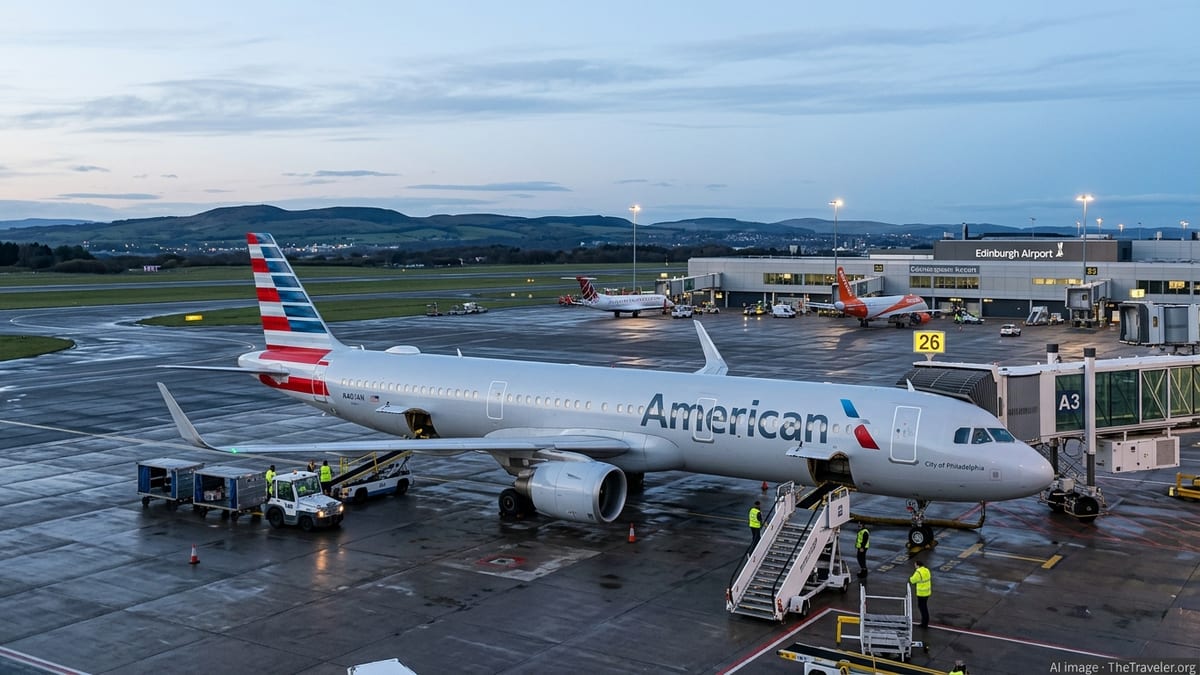
Publicly available information shows that American Airlines has been confirmed as the Official North American Airline Supplier of the FIFA World Cup 26, in partnership with Qatar Airways as Global Airline Partner through 2030. The tie-up links Qatar Airways’ long-haul network with American’s extensive domestic reach, effectively creating a joint air bridge into all three host nations for the tournament.
The partnership enables coordinated schedules and broad codeshare coverage on more than 1,000 American Airlines domestic routes, according to information on both carriers’ websites. For international fans, that means a single booking can now cover the journey from cities in Europe, the Middle East, Africa or Asia into key hubs such as New York, Dallas or Miami, and onward to smaller World Cup host cities, without stitching together multiple separate tickets.
Qatar Airways marketing materials highlight stopover packages in Doha that can be folded into World Cup itineraries, with short-stay hotel deals designed to convert a single trip into a multi-destination journey. Combined with the American Airlines domestic network, the arrangement is being presented as a way for supporters to experience both the Gulf hub and the North American host cities within one continuous itinerary.
Industry observers say the expanded partnership is also a test case for how large alliances can respond to mega-events that span multiple countries. With three host nations and 16 cities, the 2026 tournament presents a logistical puzzle and the Qatar Airways–American Airlines axis is emerging as one of the key aviation answers.
Host-City Capacity Boosts and VIP-Style Perks for Traveling Fans
American Airlines has begun marketing World Cup 2026 travel pages by host city, detailing services into venues such as Mexico City and the tournament’s 16 official host locations. Schedules and fleet plans published by the carrier show that capacity is being increased on certain routes during the tournament window, including the deployment of larger aircraft on selected North American legs, with the goal of making it easier for fans to follow their teams from city to city.
Recent coverage from the airline’s newsroom highlights a broader tournament campaign that includes a special World Cup aircraft livery, themed lounges and fan-focused events at hub airports. While these initiatives are branded rather than strictly operational, they are being positioned as part of a premium, event-style travel experience, giving passengers a sense of VIP treatment en route to matches.
Loyalty members are at the center of the strategy. Public information on the AAdvantage program indicates that mileage-earning and redemption opportunities are being aligned with World Cup travel, with promotions around match tickets and experiential rewards. In combination with Qatar Airways’ own loyalty offerings, frequent flyers are being courted with the promise of priority access, upgraded inflight experiences and exclusive tournament-themed benefits.
For fans planning multi-stop trips across Canada, Mexico and the United States, analysts note that these capacity boosts, schedule adjustments and loyalty incentives are helping to stitch together an unusually cohesive regional network. The arrangement is particularly significant given that some host cities have limited direct long-haul service of their own and will rely on hub connections to move large volumes of supporters.
Airbnb Rolls Out World Cup Stays and One-of-a-Kind Experiences
On the accommodation side, Airbnb has begun positioning itself as a central platform for World Cup 2026 stays, with a dedicated tournament hub highlighting vacation rentals and fan-focused offerings in all 16 host cities. Company materials describe the initiative as creating “your home for the FIFA World Cup,” with emphasis on proximity to stadiums and local fan zones.
Beyond lodging, Airbnb is moving into what it describes as one-of-a-kind fan experiences. A recent announcement outlines curated activities timed to the tournament, ranging from matchday outings with highly rated hosts in cities such as New York–New Jersey, Los Angeles and Mexico City to football-themed events with former professionals and local experts. These experiences are framed as a way for visitors to live like locals while gaining behind-the-scenes insight into each host city’s football culture.
Economic analysis commissioned by the platform and published in recent months suggests that short-term rentals could play an outsized role in absorbing visitor demand, particularly in medium-size markets where hotel inventory is limited. The research forecasts hundreds of thousands of guest arrivals via Airbnb listings during the tournament period, with targeted investment programs for local hosts in selected cities.
For traveling supporters, the combination of centrally located apartments, group-friendly homes and curated experiences resembles a form of distributed VIP hospitality. Instead of traditional corporate suites, fans can assemble personalized bases close to stadiums, combine stays across multiple cities and add tailored excursions that match their budget and desired level of exclusivity.
Fans Gain New Levels of Control Over Multi-City Tournament Itineraries
The convergence of these initiatives is giving World Cup 2026 travelers more control over complex itineraries than at previous tournaments. With Qatar Airways and American Airlines aligning long-haul and regional networks, fans can plan chains of flights that follow their team across group and knockout stages, while remaining within a single booking and loyalty ecosystem.
At the same time, Airbnb’s emphasis on flexible, neighborhood-based accommodation is helping supporters sidestep some of the constraints associated with large block hotel bookings. Travelers can opt for properties that match their group size and preferred neighborhoods, then adjust lengths of stay as match schedules evolve, rather than being locked into rigid packages.
Reports from travel and lodging analysts also point to changing booking behavior ahead of the tournament, with a trend toward reservations being made closer to departure dates. In that context, airline capacity increases and the depth of short-term rental inventory in host cities could become a safety valve for late-planning fans, particularly those seeking more tailored, higher-end options.
Together, these developments indicate that the North American World Cup is becoming a proving ground for a new style of mega-event travel, in which air alliances and home-sharing platforms work in parallel to deliver something approaching VIP access at multiple price points. Rather than a single, centrally controlled hospitality program, 2026 is shaping up as a mosaic of premium experiences stitched together by individual supporters.
Early Signals for a New Era of Mega-Event Travel
While many operational details for the World Cup are still evolving, the latest moves by Qatar Airways, American Airlines and Airbnb offer an early glimpse of how large brands intend to compete for high-value football travelers. Tournament-themed aircraft, loyalty promotions, host-city microsites and one-off fan experiences are all part of a broader effort to capture attention in a crowded travel marketplace.
Industry commentators note that this strategy reflects a shift from simply transporting spectators to actively curating their journey. Airlines are leaning into event branding and network specialization, while platforms such as Airbnb emphasize immersive, locally grounded stays and experiences that complement match tickets rather than replace them.
If these initiatives gain traction during World Cup 2026, travel specialists suggest they could become a template for future mega-events across sports and entertainment. The integrated air corridors, flexible accommodation models and experience-based add-ons being piloted for North America could be replicated or expanded for upcoming tournaments in other regions, reshaping expectations of what a World Cup trip looks like for fans at every budget level.