


More news on this day
Fresh disruption across the North Atlantic is piling pressure on Iceland’s main aviation hub, as clusters of Icelandair and British Airways cancellations combined with a spike in delays at Keflavík International Airport trigger another day of travel chaos for transatlantic passengers.
Get the latest news straight to your inbox!
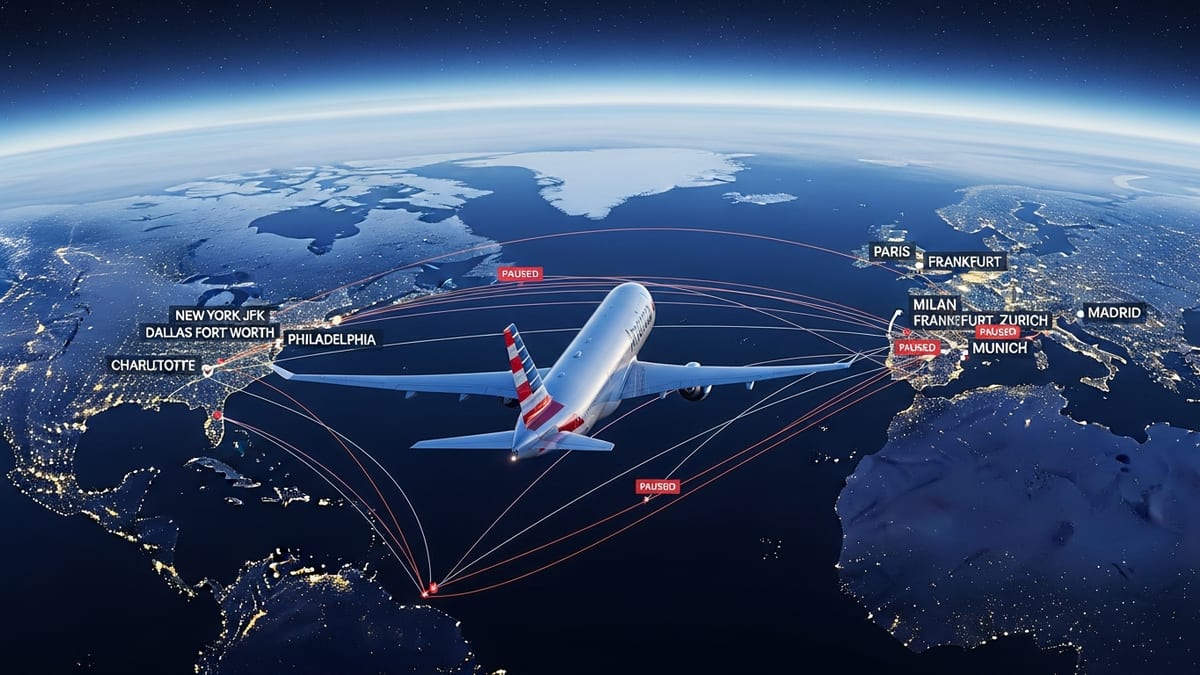
Wave of Disruptions at Iceland’s Key Transit Hub
Publicly available flight-status data for Keflavík on Thursday 4 June shows a tightly packed morning and afternoon schedule repeatedly pushed back, with departures to major European gateways leaving late or being pulled from the boards altogether. Icelandair, which uses Keflavík as its central hub for connecting Europe and North America, has scrubbed multiple flights in recent days on both sides of the Atlantic, while British Airways’ London Heathrow services have faced rolling disruption.
On Thursday alone, at least 16 departures and arrivals at Keflavík registered significant delays, according to live airport and tracking-board data. Affected routes include heavily trafficked links to London, Paris, Frankfurt, Amsterdam and key North American cities, amplifying the impact beyond Iceland and into wider North Atlantic networks.
The pattern follows several weeks of mounting operational strain. Passengers have reported late-notice cancellations on Icelandair services from US and Canadian gateways, as well as disrupted European legs routed through Keflavík. British Airways customers have also described irregular operations on flights between London and Iceland, with tighter turnarounds leaving little margin for weather or air-traffic-control disturbances.
While exact daily totals fluctuate, the concentration of delays and cancellations on 4 June underscores Keflavík’s vulnerability when its two largest network carriers encounter parallel schedule disruptions.
Icelandair Under Pressure Amid Cancellations and Crew Disputes
Icelandair has been at the center of the latest turbulence. In recent weeks, travelers have shared accounts of last-minute cancellations and re-routed itineraries on transatlantic services, frequently citing “aircraft shortage” or crew-related issues as the reason provided in booking systems and notifications. Reports indicate that some passengers have been moved to alternative routings via mainland Europe or rebooked a day later when direct options were unavailable.
According to published coverage and forum discussions tracking the airline’s operations, Icelandair has been managing a combination of fleet constraints and labor tensions, including a wage dispute involving pilots. Those issues, layered on top of peak-season demand, appear to have reduced the carrier’s resilience when aircraft are taken out of rotation or when weather disrupts schedules.
Recent schedule filings and capacity updates also highlight how tightly Icelandair is now using its fleet. Expanded services to new and secondary North Atlantic destinations, while commercially attractive, leave less slack in the system to absorb unscheduled maintenance or crew shortages. The result is a higher risk that a single cancellation in North America or mainland Europe can cascade through multiple Keflavík connections on the same day.
For passengers, this has translated into missed onward flights, overnight stays in Iceland and complex rebookings across multiple airline partners. Some travelers have turned to national and European passenger-rights frameworks to seek compensation and reimbursement for extra costs such as hotels and meals when the disruption was deemed within the airline’s control.
British Airways Feels the Knock-On Effect on London Routes
British Airways, one of Keflavík’s primary links to London Heathrow, has not escaped the turbulence. Timetable data shows regular services between Heathrow and Keflavík, but recent days have brought a patchwork of delays and schedule reshuffles. On Thursday, the carrier’s morning Heathrow service was listed with an adjusted departure time, reflecting wider congestion and slot pressures on the North Atlantic corridor.
Industry guidance and consumer-information notices about British Airways operations point to a familiar array of triggers for disruption. These range from air-traffic-control restrictions over busy North Atlantic and northern European airspace to knock-on delays from weather systems affecting earlier rotations. When paired with tight turn times at slot-constrained Heathrow, even modest operational setbacks can translate into late arrivals in Iceland and reduced buffer for the return leg.
Travelers on the London routes have reported being shifted between flights, warned of possible overnight stays, or faced with shortened connection windows at Heathrow for onward long-haul services. Publicly available advice from consumer advocates stresses that under UK and European rules, passengers on eligible itineraries may claim assistance and, in some cases, financial compensation where cancellations or long delays are within the airline’s control.
The London–Keflavík link is strategically important for both Icelandair and British Airways, carrying a mix of leisure visitors, business travelers and transfer passengers. Disruptions on this corridor therefore reverberate quickly across multiple markets on both sides of the Atlantic.
Passengers Caught in a Web of Missed Connections
Keflavík’s role as a mid-Atlantic transfer hub means that operational problems rarely stay local. When Icelandair or British Airways cancels or delays a flight, the impact typically radiates outward through connecting banks to North America and continental Europe. Travelers have described arriving in Iceland to discover onward legs canceled, or learning of schedule changes only hours before departure, triggering hurried efforts to secure alternatives.
Online travel communities in recent days have featured accounts of travelers rebooked onto different airlines via third countries, sometimes adding many hours and extra connections to reach their final destination. Others have opted to cancel trips altogether when replacement options involved overnight stays or significantly altered itineraries.
Passenger-rights bodies in Iceland and within the wider European framework set out clear obligations for airlines in such circumstances, including rerouting, care obligations such as meals and accommodation, and potential financial compensation for qualifying delays and cancellations. However, travelers frequently report lengthy processing times and inconsistent communication, especially when disruptions involve multiple carriers or codeshare partners across jurisdictions.
With peak summer travel approaching, the current gridlock at Keflavík is serving as a stress test for how efficiently airlines can manage large-scale disruptions while still meeting these regulatory obligations and preserving customer confidence.
North Atlantic Networks Face a Summer Stress Test
The turbulence at Keflavík is unfolding against a broader backdrop of strain on North Atlantic aviation networks. Airlines have ramped up capacity for summer 2026 in response to strong demand, but many carriers continue to grapple with aircraft delivery delays, tight crew availability and limited slack in their fleets. In this context, any localized shock, whether a bout of severe Icelandic weather or a crew-availability crunch, can quickly escalate into a day of gridlock.
Data on Keflavík’s recent traffic shows the airport handling growing volumes on both European and North American routes, with London, New York and other major cities among its busiest connections. Iceland’s geographic position makes it an efficient bridge between continents, but that same geographical role means disruptions are felt on both sides of the ocean when the hub falters.
Travel analysts note that carriers serving Keflavík are walking a fine line between maximizing aircraft utilization and preserving operational resilience. With Icelandair and British Airways both central to the airport’s connectivity, simultaneous difficulties at these two carriers amplify the risk of cascading delays and cancellations, as witnessed with the latest cluster of 16 delays and multiple scrubbed flights.
As the peak season builds, travelers planning to use Keflavík as a transfer point are being urged by public advisories and independent travel guides to allow generous connection times, monitor flight status closely, and understand their rights in the event of disruption. For airlines and the wider North Atlantic aviation system, the current chaos at Keflavík may be an early warning of a challenging summer ahead.